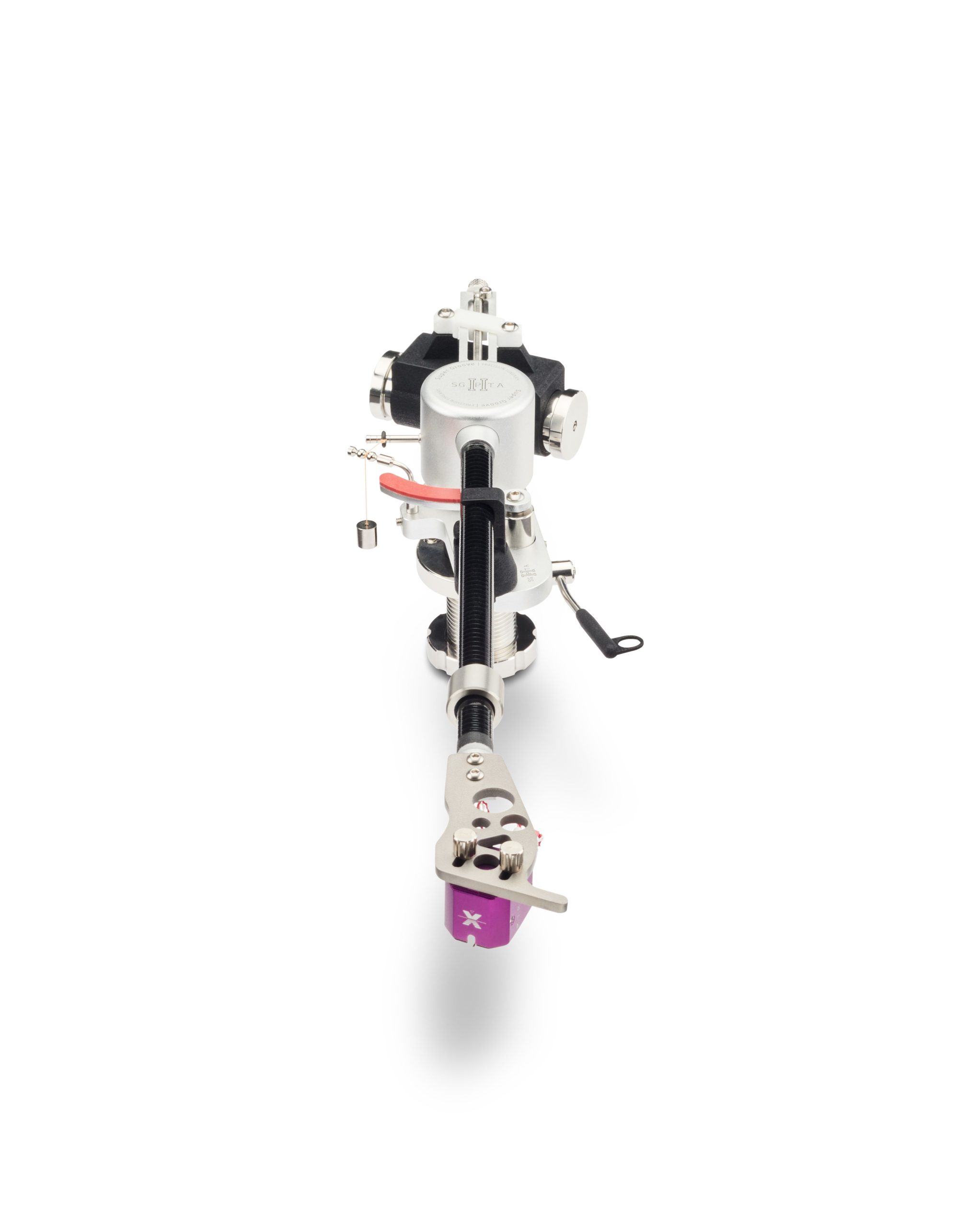
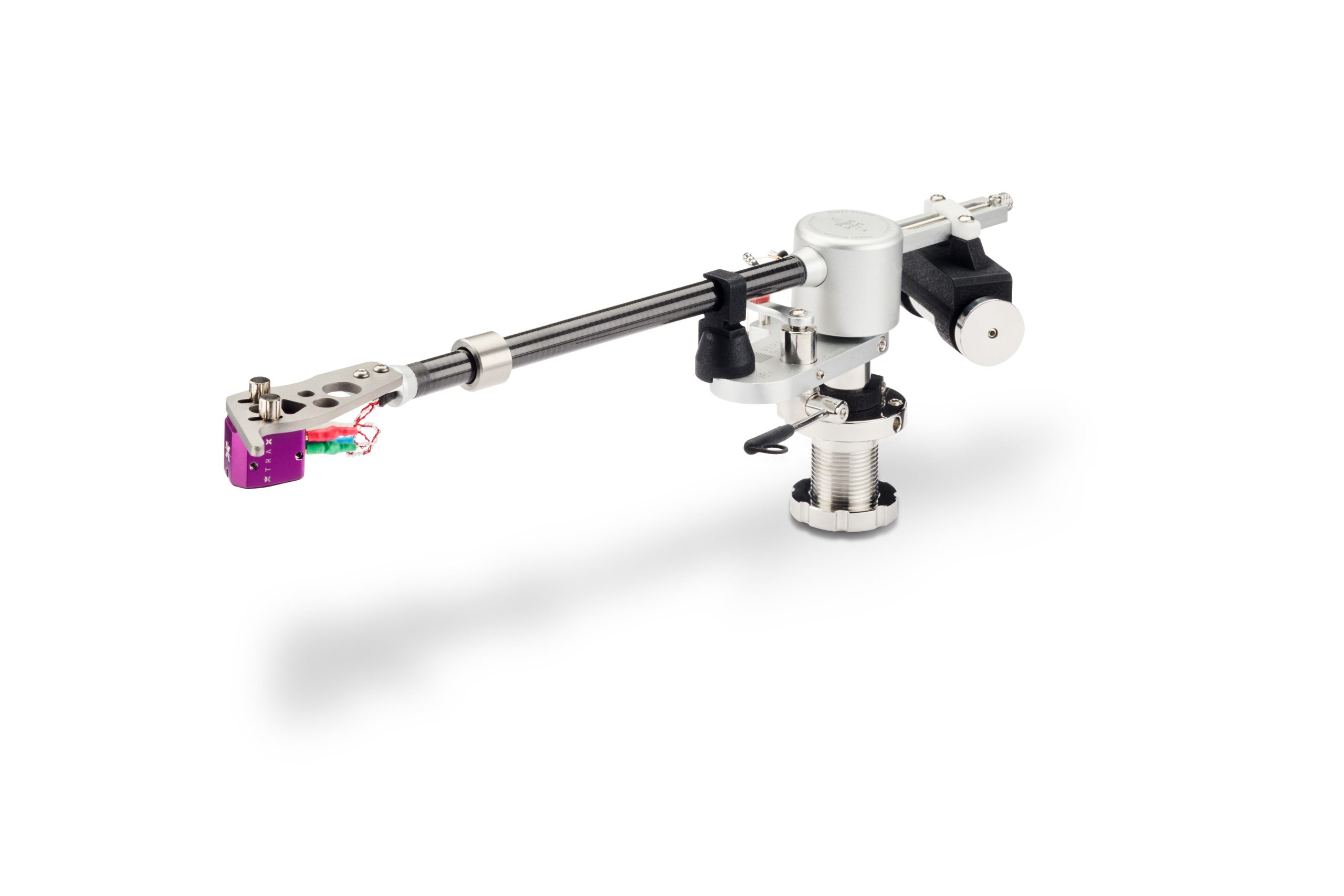
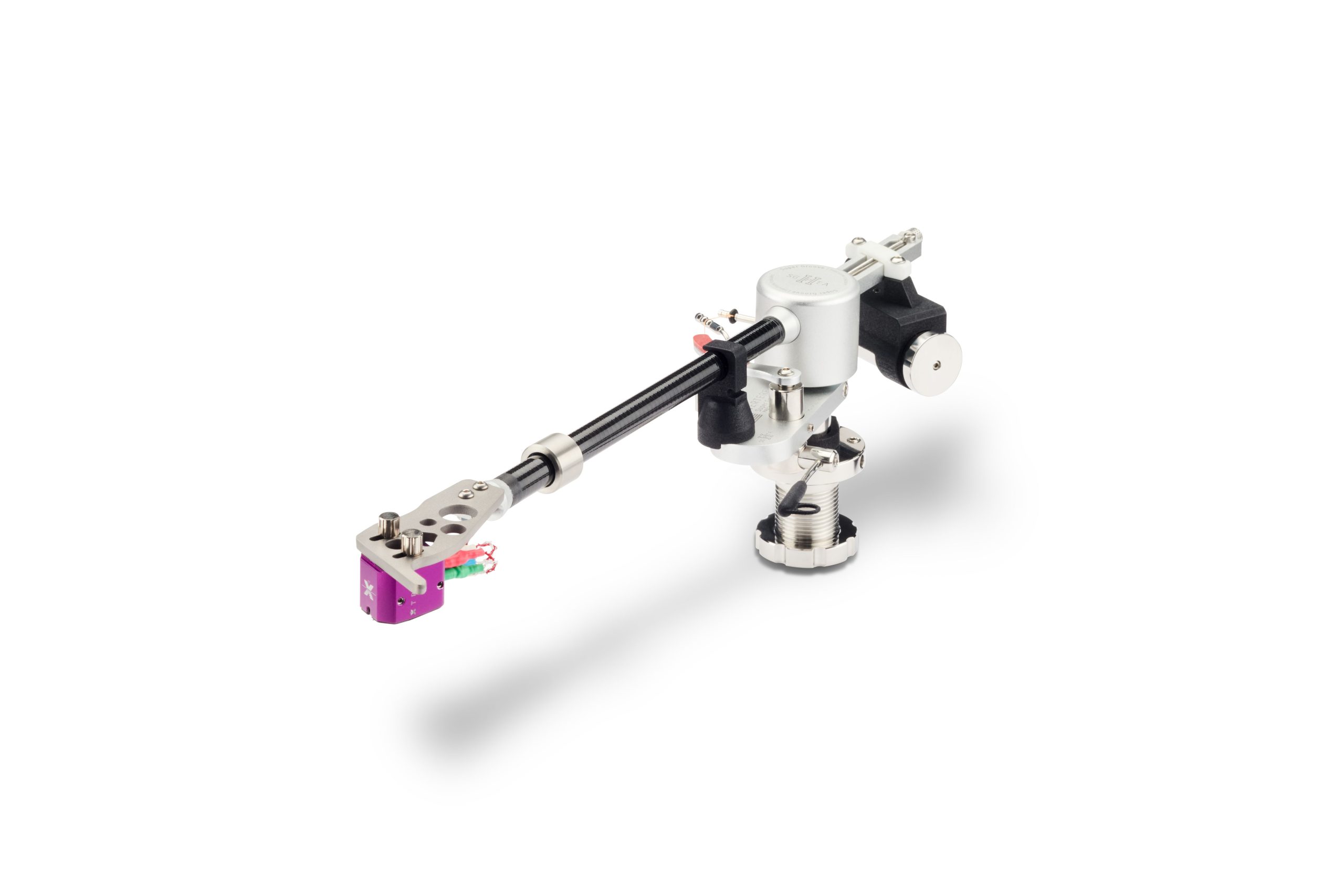
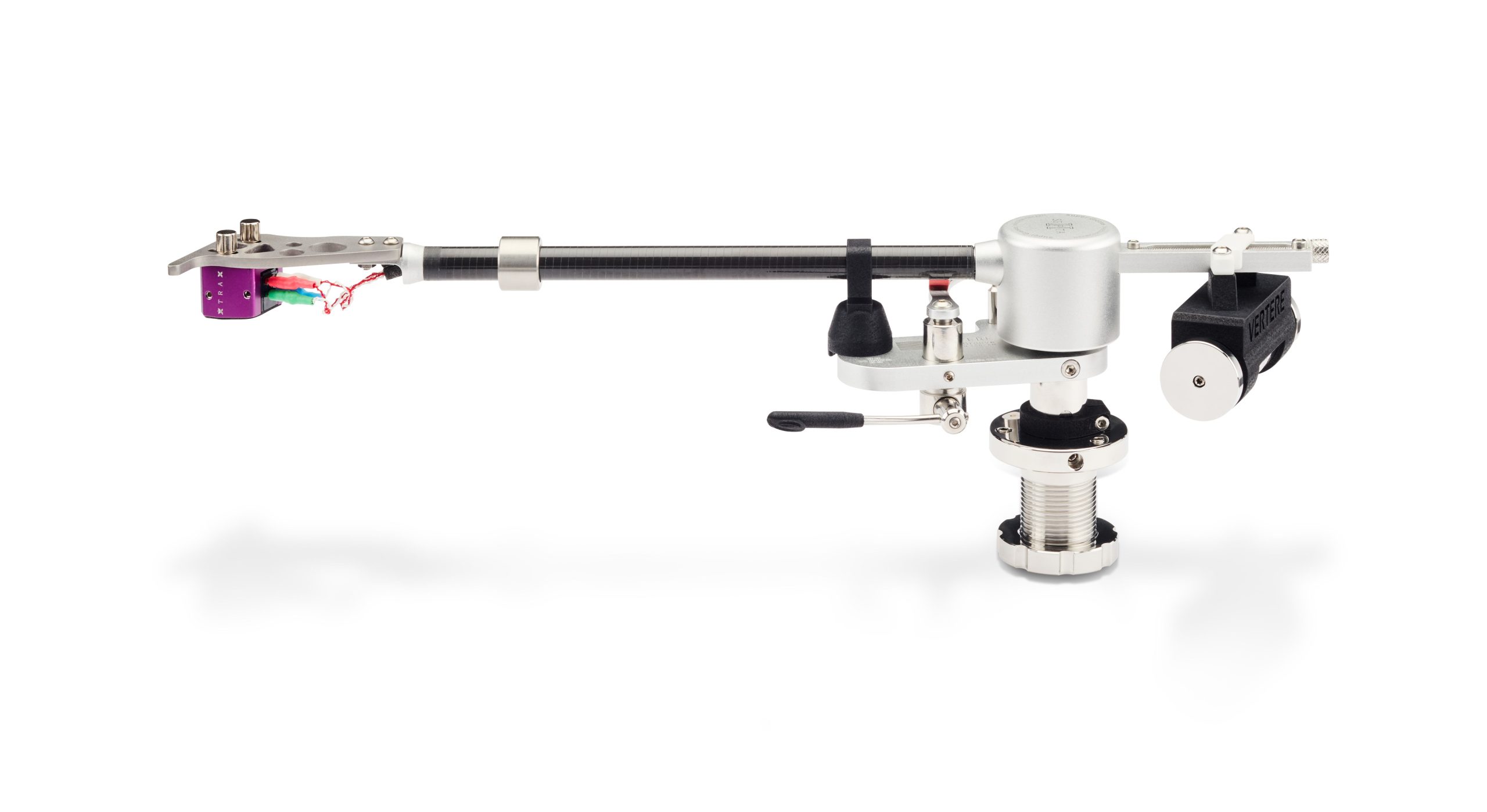
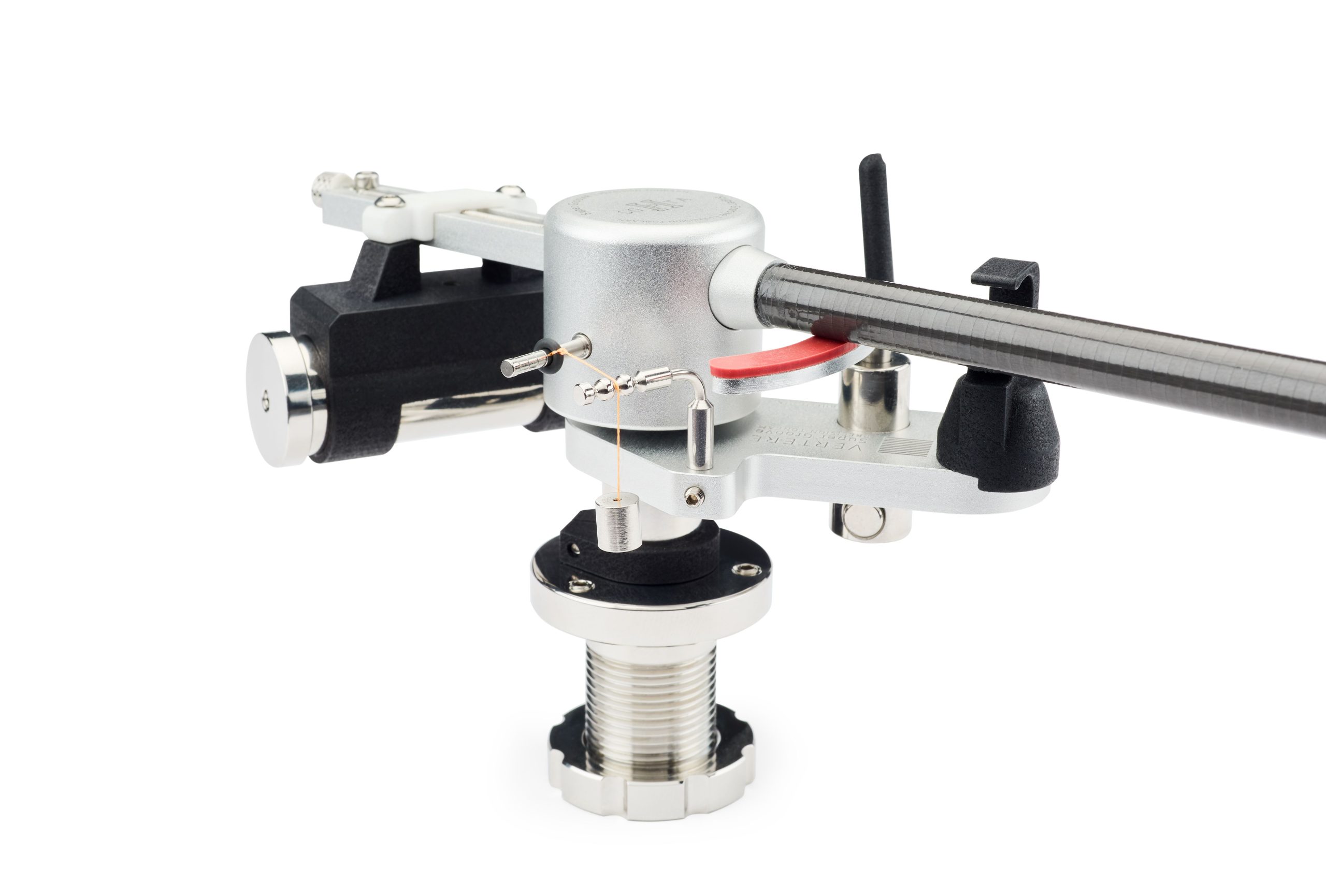
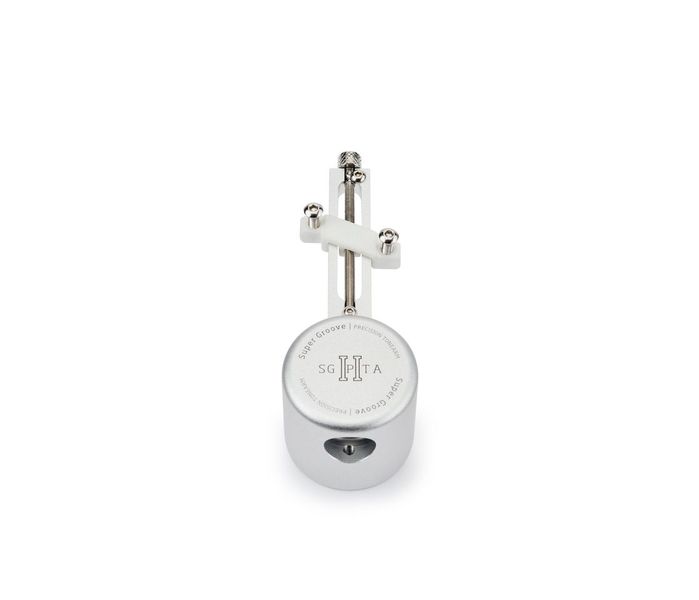
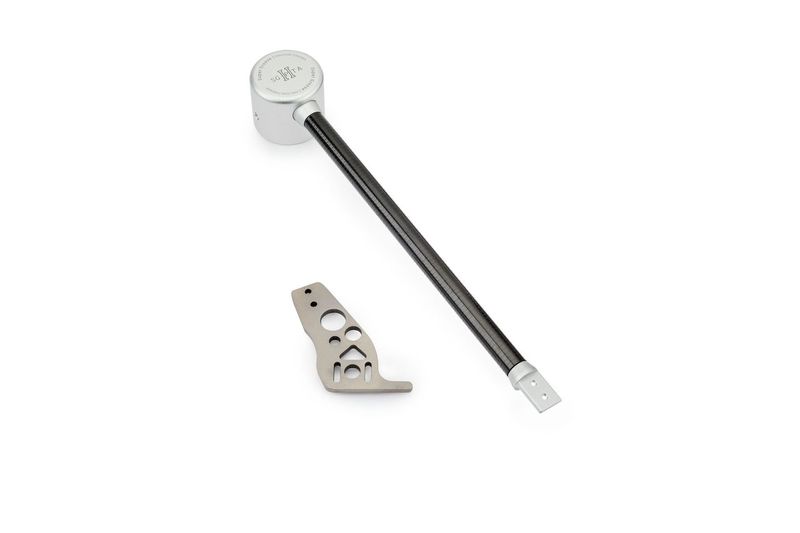
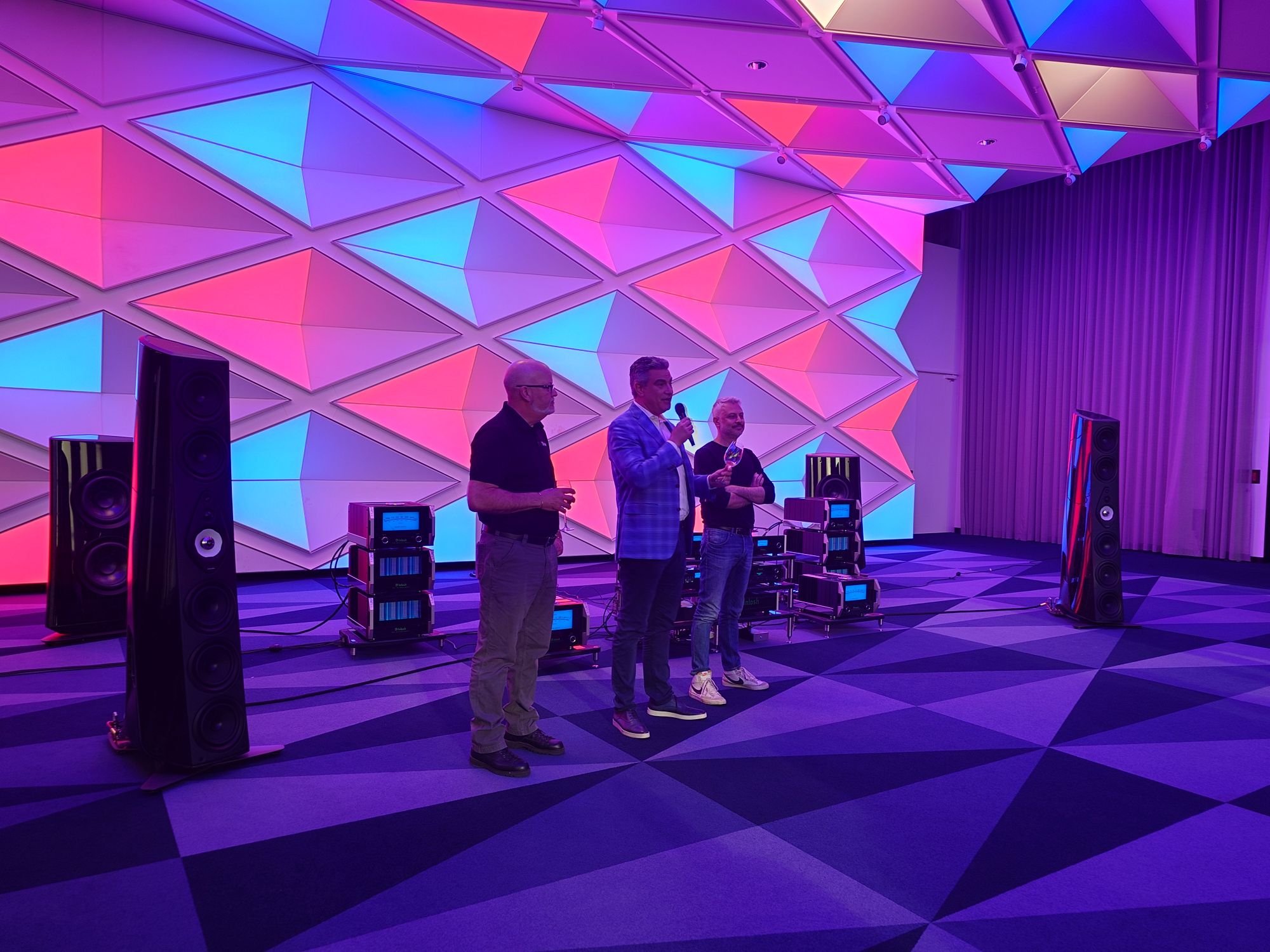
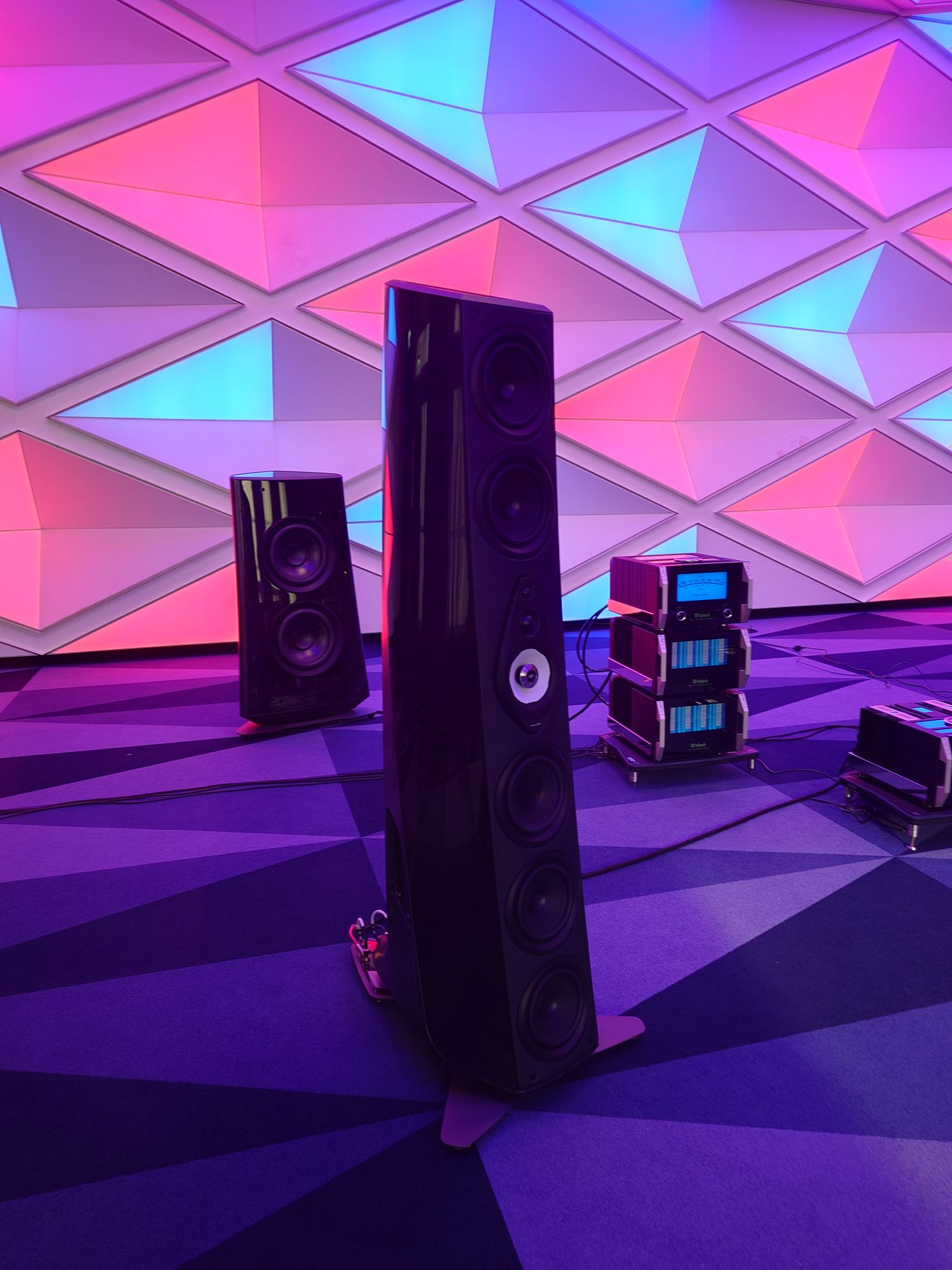
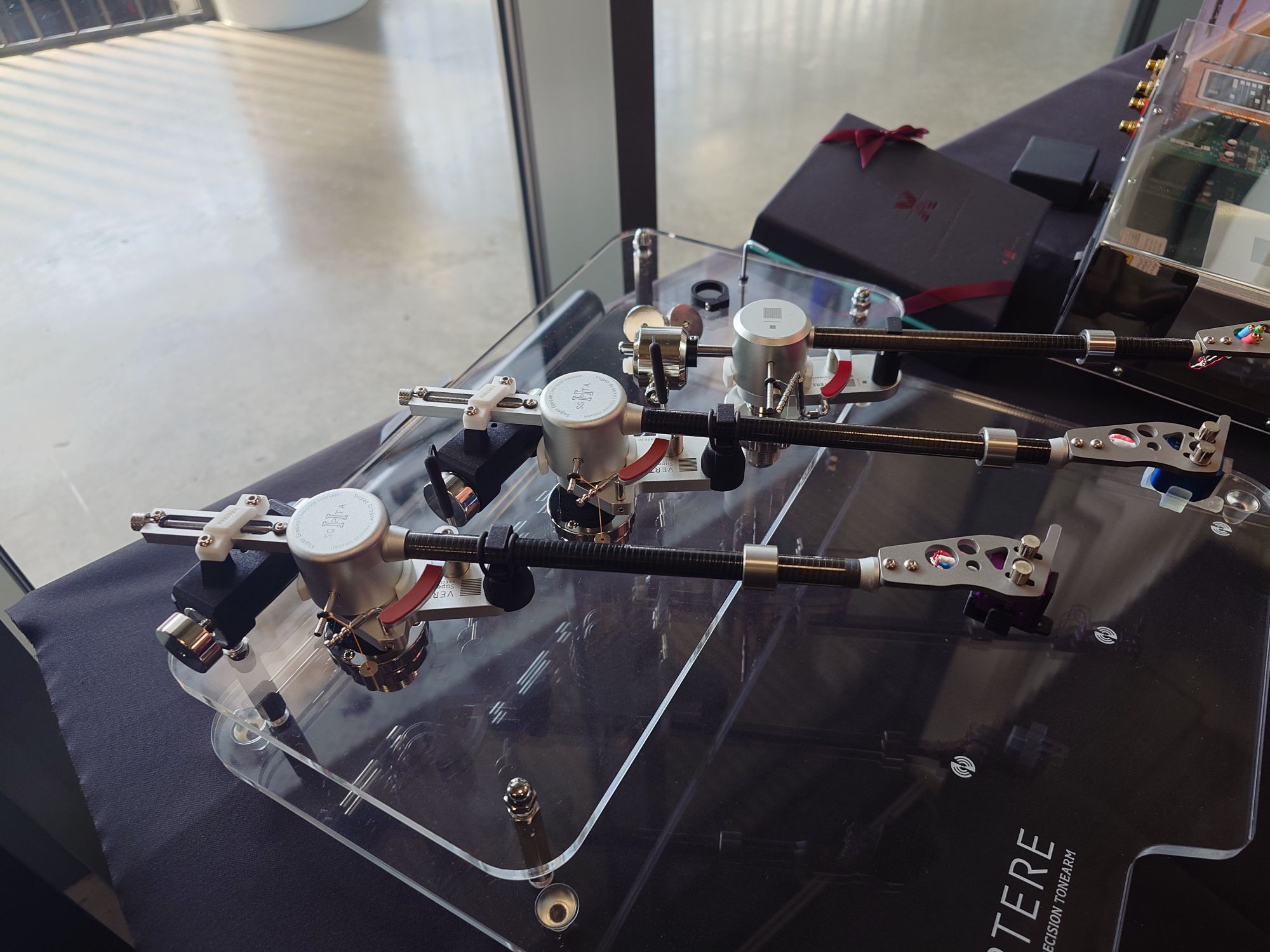
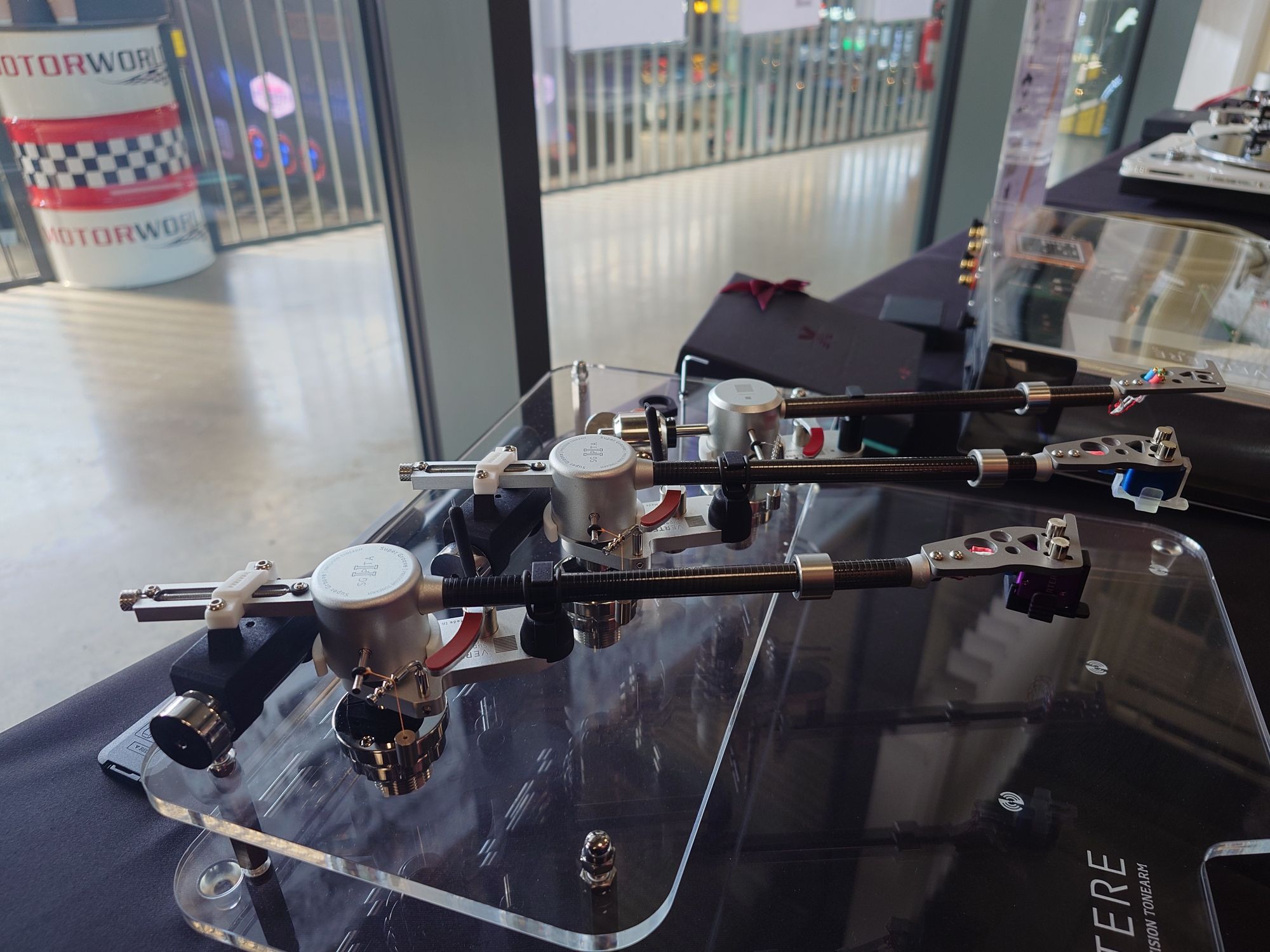
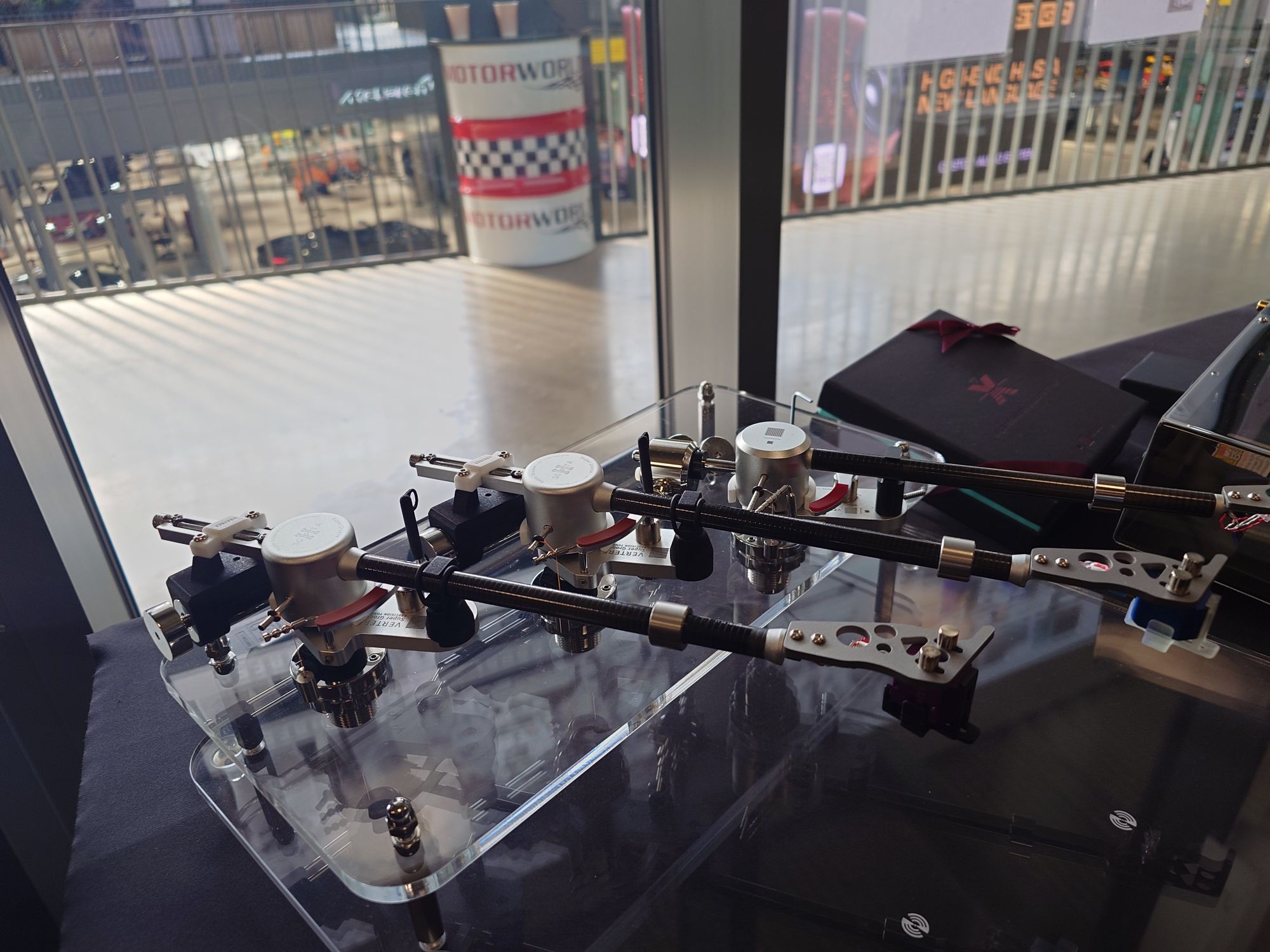
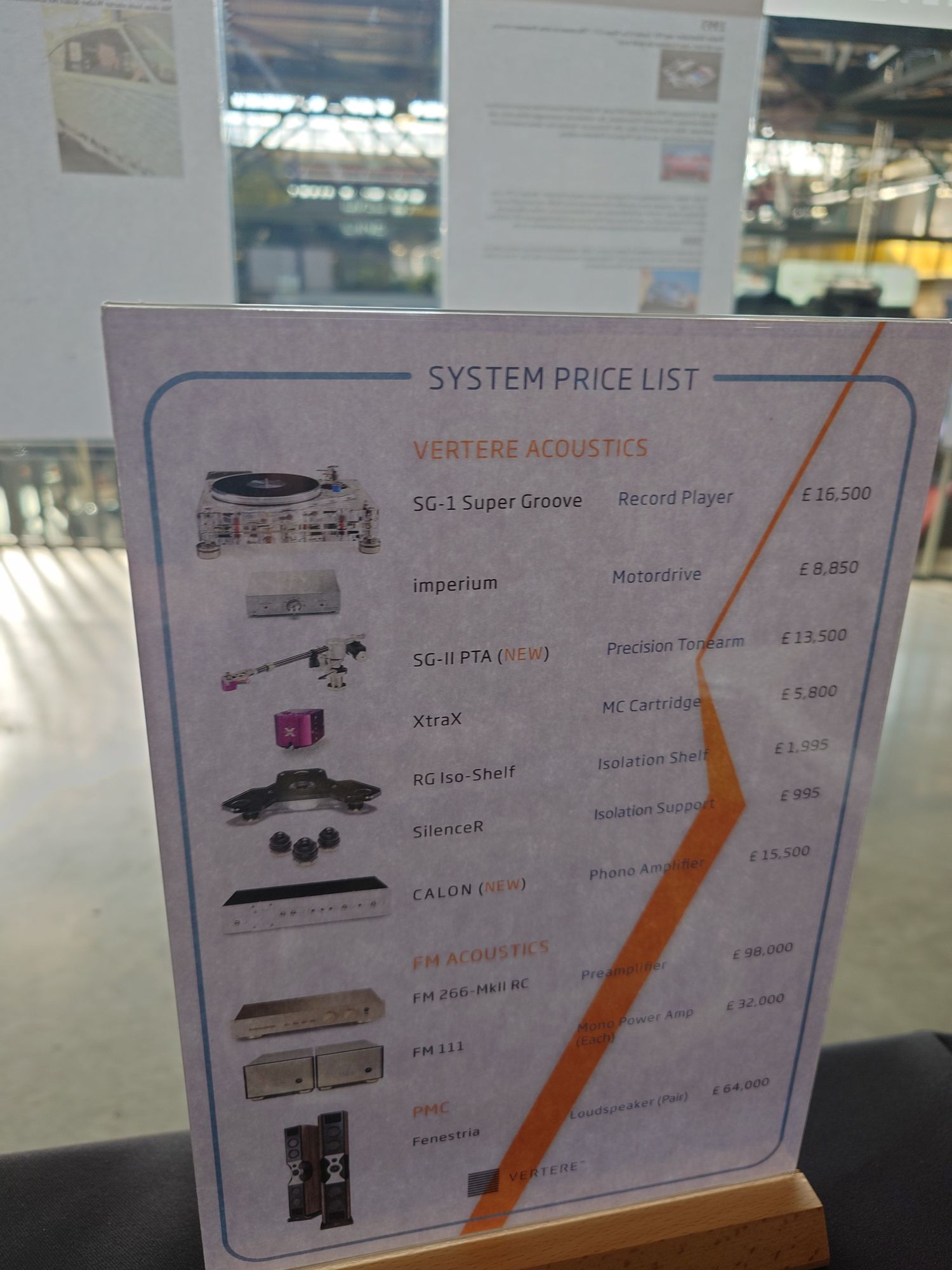
Vertere Acoustics Munich Motorworld – Walter Rohrl Suite. 09 May 2024. At a press conference,Touraj Moghaddam Vertere’s founder and chief designer launched and demonstrated his latest tonearm design, the SG-II PTA. Vertere’s new high-end tonearm is designated the SG-II PTA, as it looks—at a brief glance—similar to the SG-1 PTA tonearms. However, looks can be deceiving, as the SG-II only shares three parts with its junior siblings: the fine tracking force weight, the lift lower mechanism, and the silicon nitride triple bearing assembly. The SG-II-PTA HB will sell for £13500, €16998, and $16995. It will be available from July. Vertere customers worldwide have called for a tonearm they feel more matches the SG-1 and RG-1 record players. Although the words from the launch of the SG-1 PTA tonearms three years ago are still almost correct: “The Vertere Super Groove Precision Tonearms utilise a combination of quality materials, including roll-wrapped carbon-fibre, stainless steel, aluminium alloys, brass and silicon nitride. Its unique bearing design and versatile anti-skate adjustment make it an ideal partner for the highest quality cartridges and turntables”. Never one to back down from pressure, Touraj set himself a target of a new tonearm with the performance approaching that of the Reference tonearm but something more affordable. T added Tungsten Carbide and removed brass from the bill of materials but, in the process, changed almost everything. The SG-II must be heard. It is just massively better than its older siblings.
The overall objective was to optimise the effective mass as seen at the stylus tip. The more optimised, the more the stylus tip moves and the less the tonearm moves, which improves efficiency, dynamics, and information retrieval.
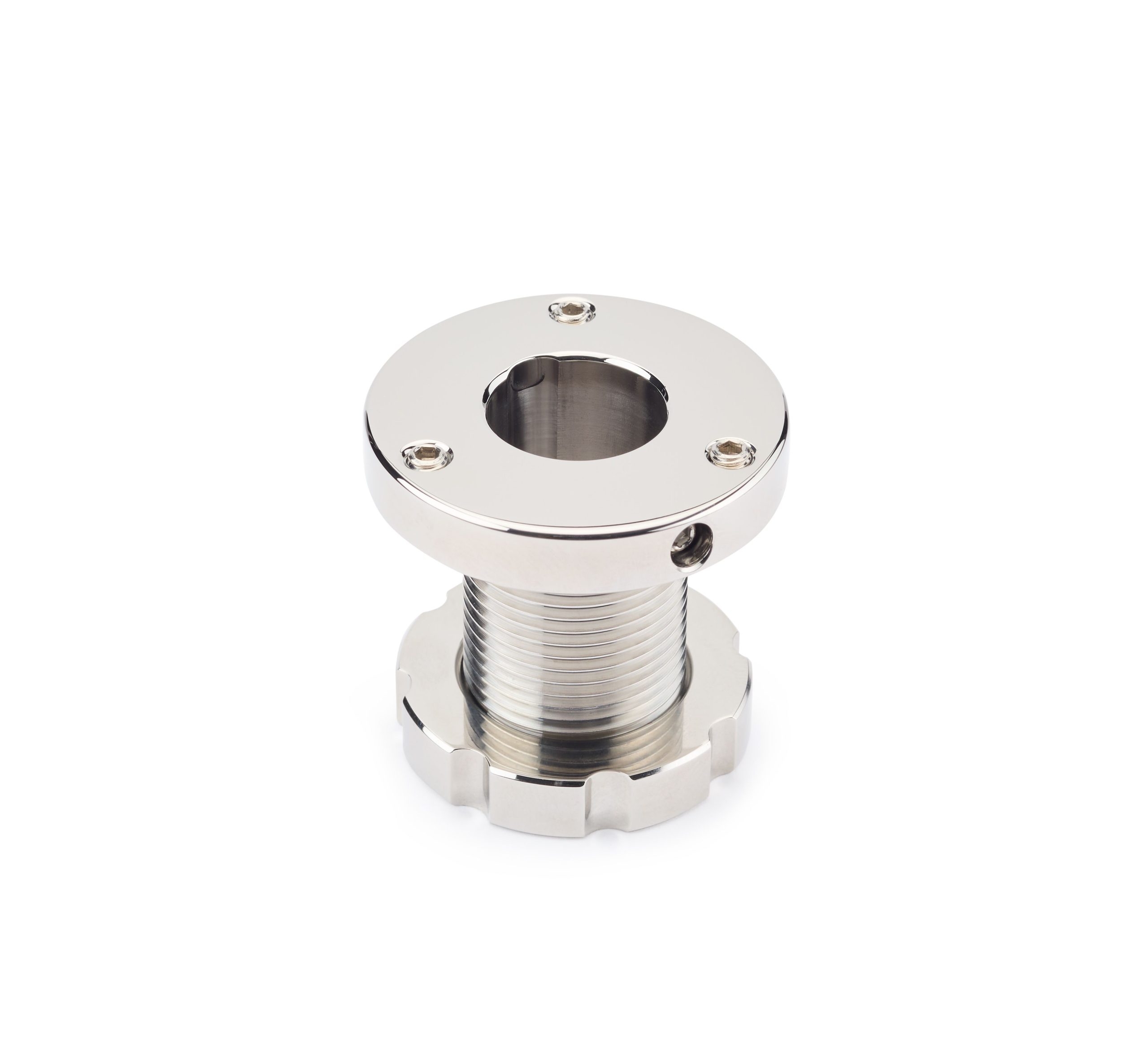
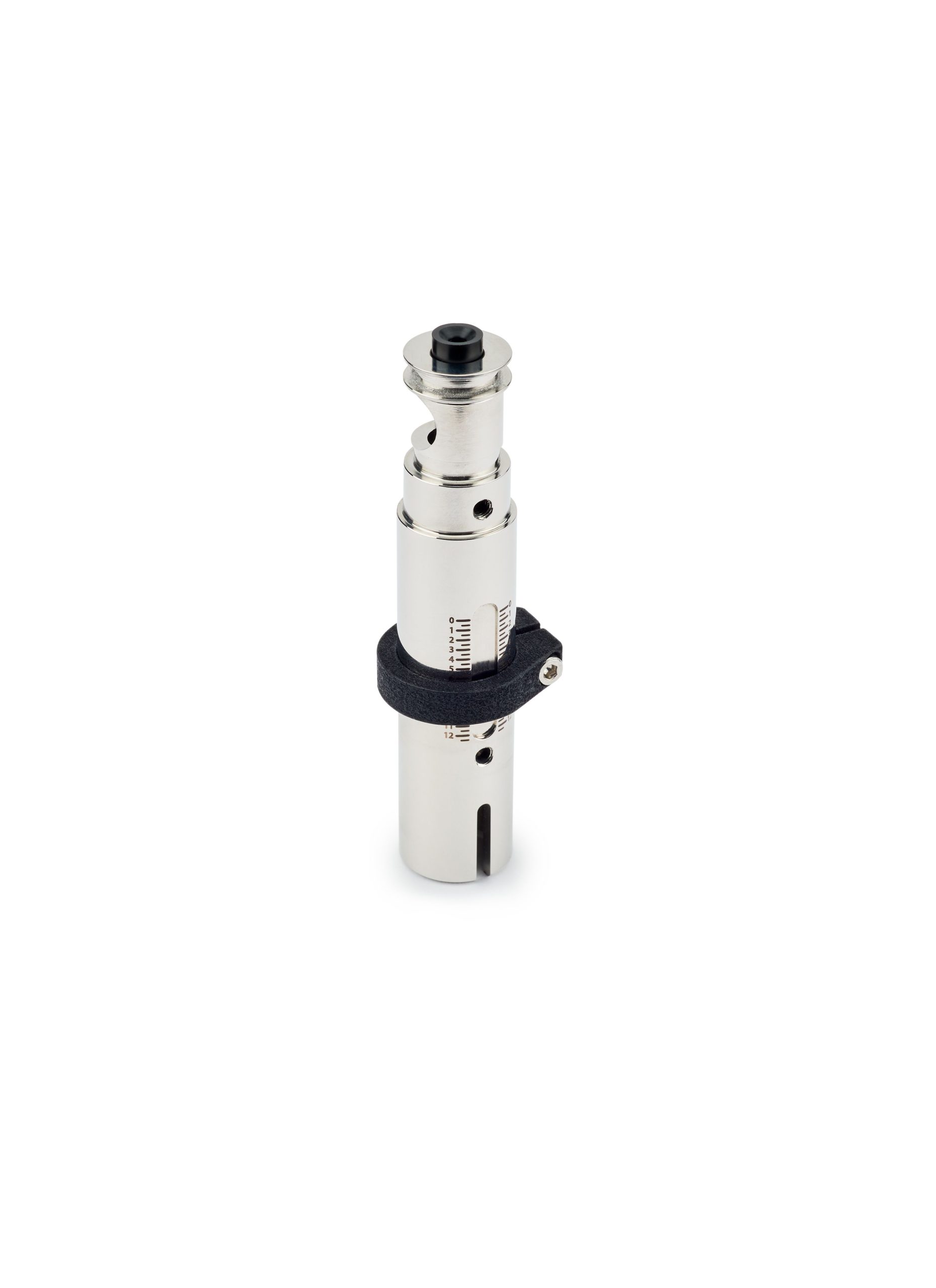
Key Improvements New super-polished, aero-space-precision Silicon Carbide/Tungsten Carbide Tri-pivot bearing with ultra-low friction, stiction and noise New Titanium Headshell with improved dynamic mass distribution Heavier decoupled dual-axis stainless steel counterweight with adjustable outriders for easy azimuth adjustment Austenitic stainless steel central pillar and bearing holder Austenitic stainless steel pillar holder and clamp VTA adjustment collar for easy adjustment and repeatability New Bearing Yoke with bearing more in line with stylus tip Improved and stiffer rolled carbon fibre tube to the headshell and bearing yoke joints Improved dynamic centre of mass /centre of inertia Improved armrest with arm lock for transit The ‘Penguin’ transit spacer/lock
Existing innovations Non-resonant, high-rigidity roll-wrapped carbon fibre arm tube. Sliding effective mass /arm cartridge resonance/tracking weight fine-tuning adjuster Bias-curve adjustable anti-skate mechanism. Vertere HB internal wiring Machined from solid PTFE Arm DIN connector with precision machined Vertere connectors All connections are custom-manufactured and triple gold-plated.
The features in more detailSG-II TPA tonearm bearing The unique Tri-Pivot bearing consists of three super-round silicon nitride balls held captive in a precision-machined Acetal ball-retaining ring supporting the aerospace-precision machined Tungsten Carbide pivot. The pivot point centred between the silicon nitride balls provides flawless support and articulation. The new Tungsten Carbide pivot is machined and polished similarly to the RG-1 record player’s main bearing to deliver exceptionally low friction, stiction and noise.
Background to the TPA bearing design At first sight, the SG-II PTA Tonearm may come across as a uni-pivot; it is anything but. A uni-pivot will skate about on its bearing point of contact while the tonearm moves side-to-side and up and down. There is no such thing as a point; one surface is supported by another and sliding relative to each other. Because of this, there is always some skating of the contact point on the support bearing surface. Although the skating or chatter may be in fractions of microns, so is the magnitude of some information stored in the vinyl groove. To eliminate this loss of information due to unwanted bearing chatter, Touraj designed the Tri-pivot bearing. Three silicon nitride precision balls and a super-precision machined tungsten carbide point provide the arm’s support and articulation. Although the tonearm may appear to behave as a uni-pivot, it is without any bearing chatter, preserving as much signal information as possible. The result is a lifelike dynamic response with unexpected clarity, musicality, and detail—genuinely significantly better than the SG-1.
SG-II Tonearm tube & headshell Roll-wrapped carbon fibre is used to construct the arm tube. This provides higher strength and a more homogenous fibre structure than a Pultruded or moulded equivalent. The headshell is a new, reengineered Titanium design with better dynamic balance. It is connected to the arm tube using a new, structurally improved bonded alloy end insert. This configuration’s naturally non-resonant and higher strength-to-weight ratio provide the optimum cartridge platform.
Aluminium Bearing yoke and Austenitic Stainless (316) Steel pillar The super-precision Tungsten Carbide bearing pivot is structurally bonded to the new precision-machined aluminium alloy yoke. The assembly provides the support required for the arm tube, the main counterweight and the anti-skate mechanism. The pivot point and the counterweight centre of gravity are vertically positioned in line with the stylus tip for improved dynamic centre of mass and centres of inertia.
Arm/Cartridge resonance frequency & fine-tracking weight adjustment An adjustable and decoupled stainless ring allowed to move along the arm tube provides fine tracking weight adjustment. The relative position of this ring and the main counterweight can alter the arm/cartridge resonance frequency and thus optimise the cartridge’s playback performance.
SG-II Tonearm Main Counterweight The dual-axis counterweight assembly is precision adjustable for tracking force and azimuth. Its width adds to lateral stability – think Charles Blondin crossing Niagara Falls.
SG Tonearm Pillar Holder and Clamp The precision machined stainless steel pillar is held in place with a new stainless high-precision gloss polished pillar holder and clamp to provide the tonearm/cartridge with the required interface rigidly coupled to the record player.
Internal Wiring & Contact Connectors The cartridge tags and the 5-pin connector pins are designed, machined, and gold-plated to Vertere’s exact specifications for the SG-II PTA. The 5-pin connector main body is CNC machined from solid PTFE for its superior dielectric characteristics. Internal wiring utilises Pulse HB.
Bias-curve adjustable anti-skate mechanism There is much debate about how to set anti-skate optimally. The ideal setting is affected by tracking weight, record speed, stylus profile and record cut. But it’s the hi-fi business, so there are n+1 arguments about the correct philosophy. The SG-PTA allows the anti-skate to be set variably across the record – for example, greater at the outside or greater at the inner. The optimal results are established by listening at the beginning, middle and end of a selection of records and choosing the best performance across all three positions.
Technical Specifications Type Tri-pivot articulated Effective Length 240mm Overhang 17.5mm Offset Angle 22.9° Head-Shell Titanium Arm Tube Wrapped Carbon Fibre Bearing Yoke Structure Aluminium Body Bearing Type point Captive Silicon Nitride Balls (x3) Tungsten Carbide Counter Weight High Polished Stainless Steel Stainless Steel T/W Adj. Sleeve Internal Wiring Pulse Hand-built Connector Proprietary Cartridge Tags & 5-Pin Triple Thickness Gold Plated Contacts Tonearm Cable veRum Weight 495g
Touraj explains the source of some of his background knowledge “Our collaboration with music industry engineers has given us invaluable insights into the art of cutting. This knowledge has enabled us to advance our record player design in many ways to extract the maximum from vinyl records. For example, with his remixes of the Beatles albums, Giles Martin – son of the late Sir George – used a Vertere MG-1 record player, including SG-1 tonearm and PHONO-1 preamplifier throughout, to check and approve the acetates and the test pressings. We’ve worked closely with the multi-award-winning mastering engineer Miles Showell since February 2017.Miles has been using his own extensively customised Neumann VMS 80 lathe, incorporating Vertere cables, to cut standard and half-speed masters for the likes of ABBA, Cream, The Police, and The Rolling Stones, as well as the 50th-anniversary release of The Beatles’ Sgt Pepper’s Lonely Hearts Club Band and The Beatles (otherwise known as ‘The White Album’). Working closely with Mileshas led to the first releases on our record label, Vertere Records. Releases: a three-track EP, two albumsby Scottish band Caezar, and the first album by Dutch singer/songwriter Elles Springs, which was specially tape-transferred, and then half-speed mastered and cut by Miles for our label. By involving ourselves at every stage of the record-making process, we can ensure our players bring you as close as possible to what the artists and engineers wanted you to hear.”
About Vertere Reducing engineering to its fundamentals will get you closer to the original recording. When aiming to reproduce the complexities of music, it’s all too easy to introduce even more significant complications in the engineering of audio equipment, putting in place one element to solve the problems until the whole design escalates into something fiendishly intricate – and unnecessarily expensive. That’s not the Vertere way: coming at the whole problem with decades of audio and mechanical engineering experience, plus close collaboration with the recording and mastering industry, we step back, take a long, hard look at the fundamentals, and look for simple, elegant solutions. That may sound like a simple ‘less is more’ philosophy, but we prefer to look at it this way: the best audio equipment shouldn’t add anything to or remove anything from the original recording. Instead, it should affect it as little as possible, bringing the listener closer to what the artist, producer and mastering engineer wanted you to hear.
First Vertere high-end dual-mono phono preamplifier Available in July £15500; €18998; $19995.
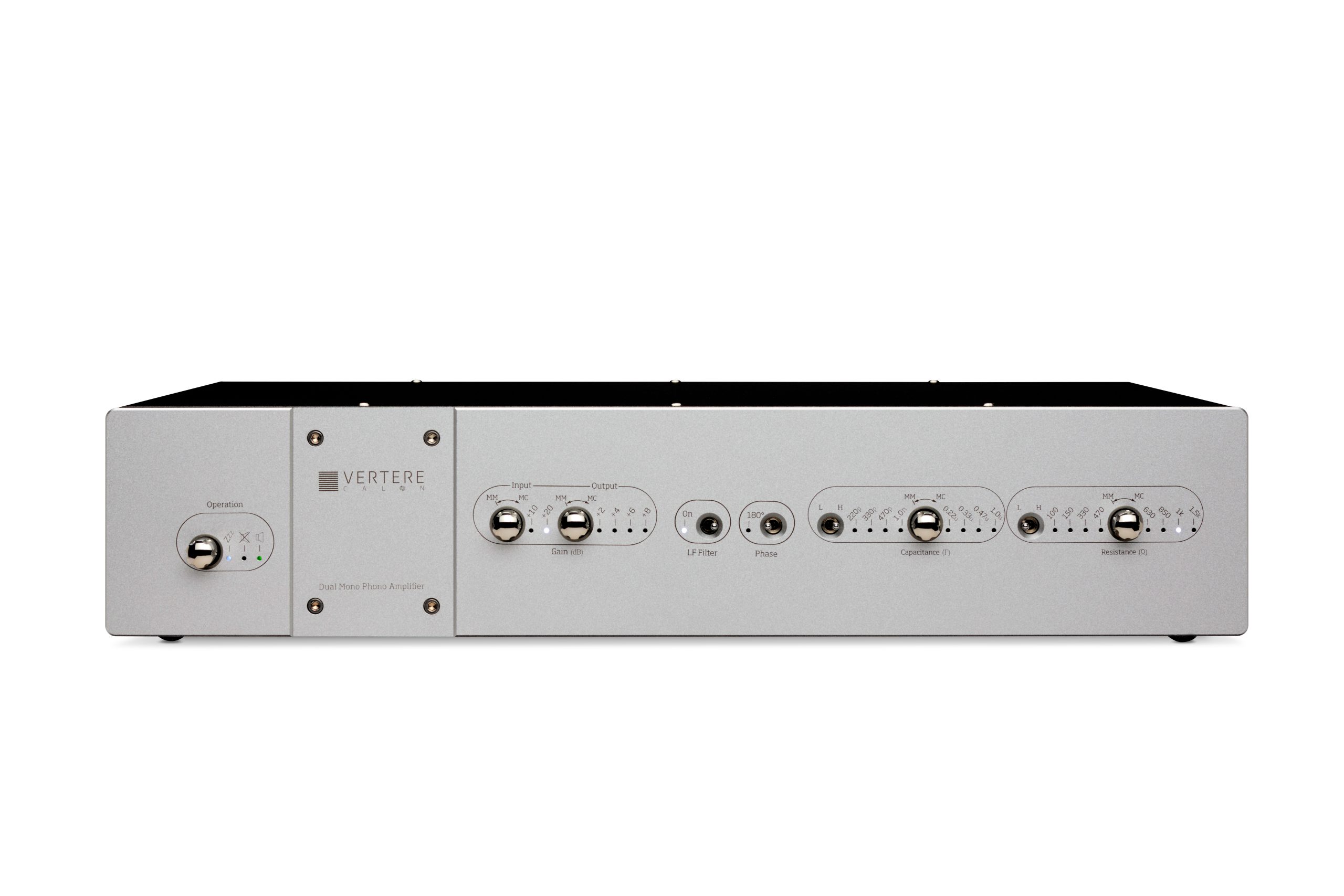
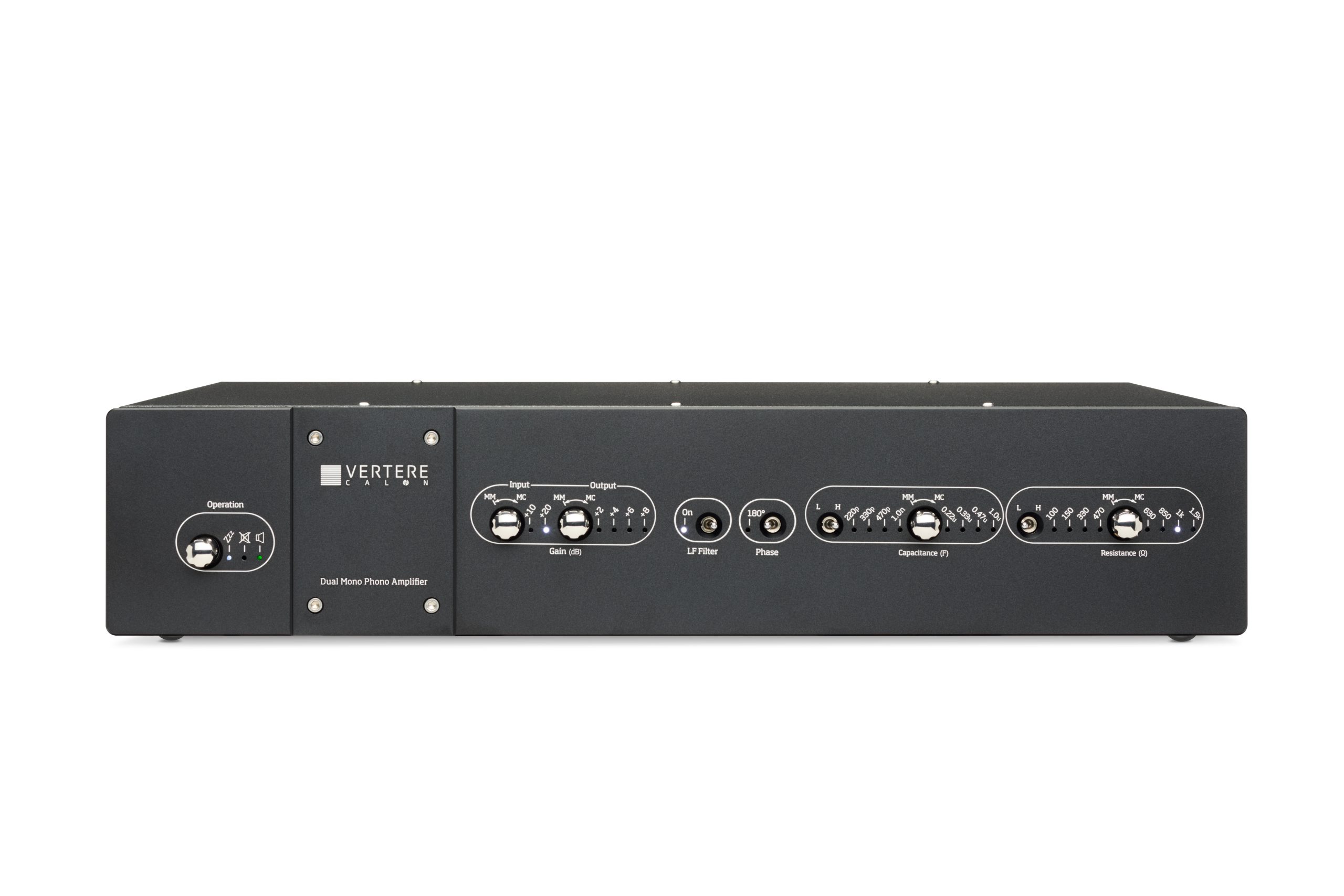
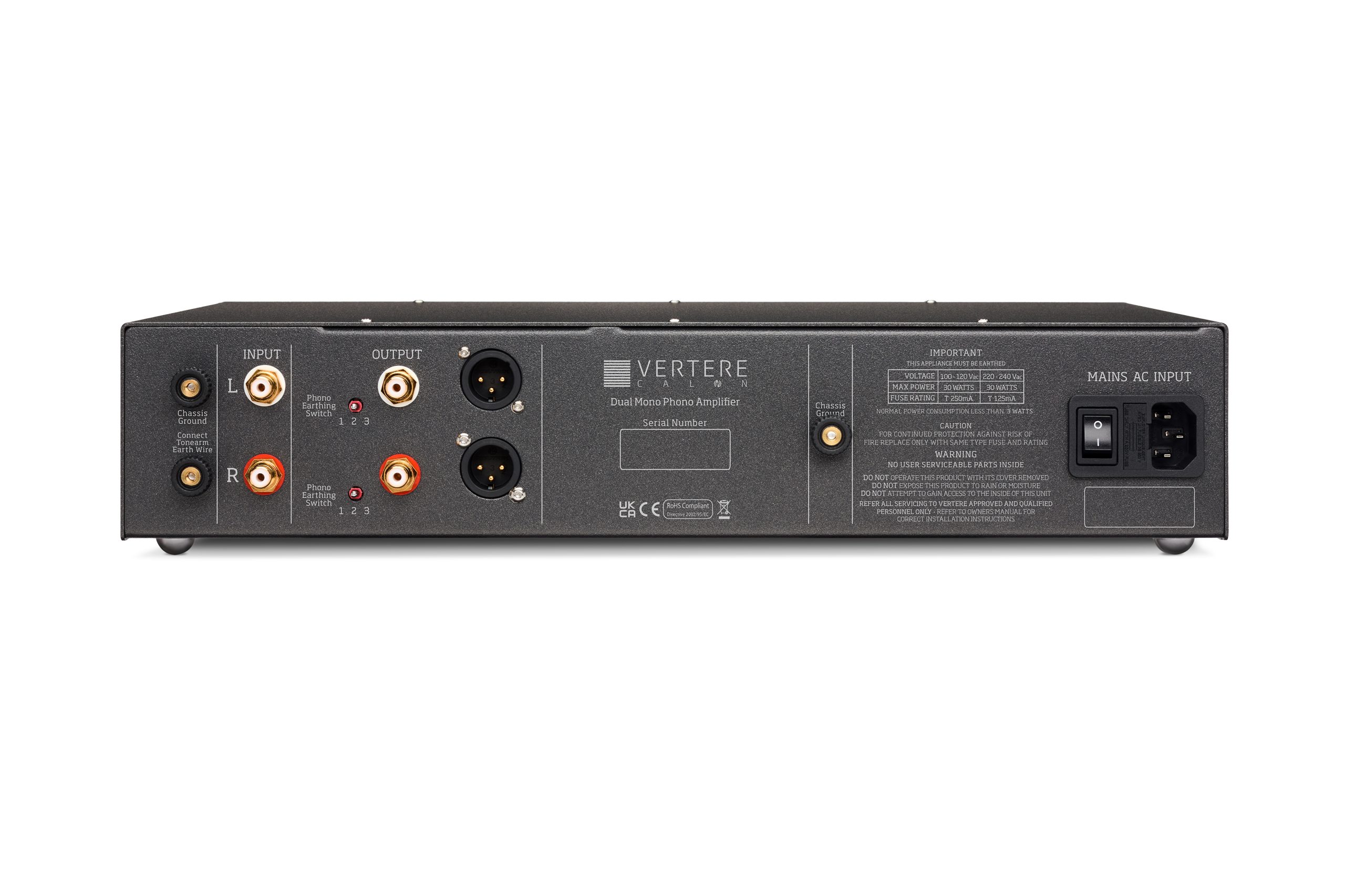
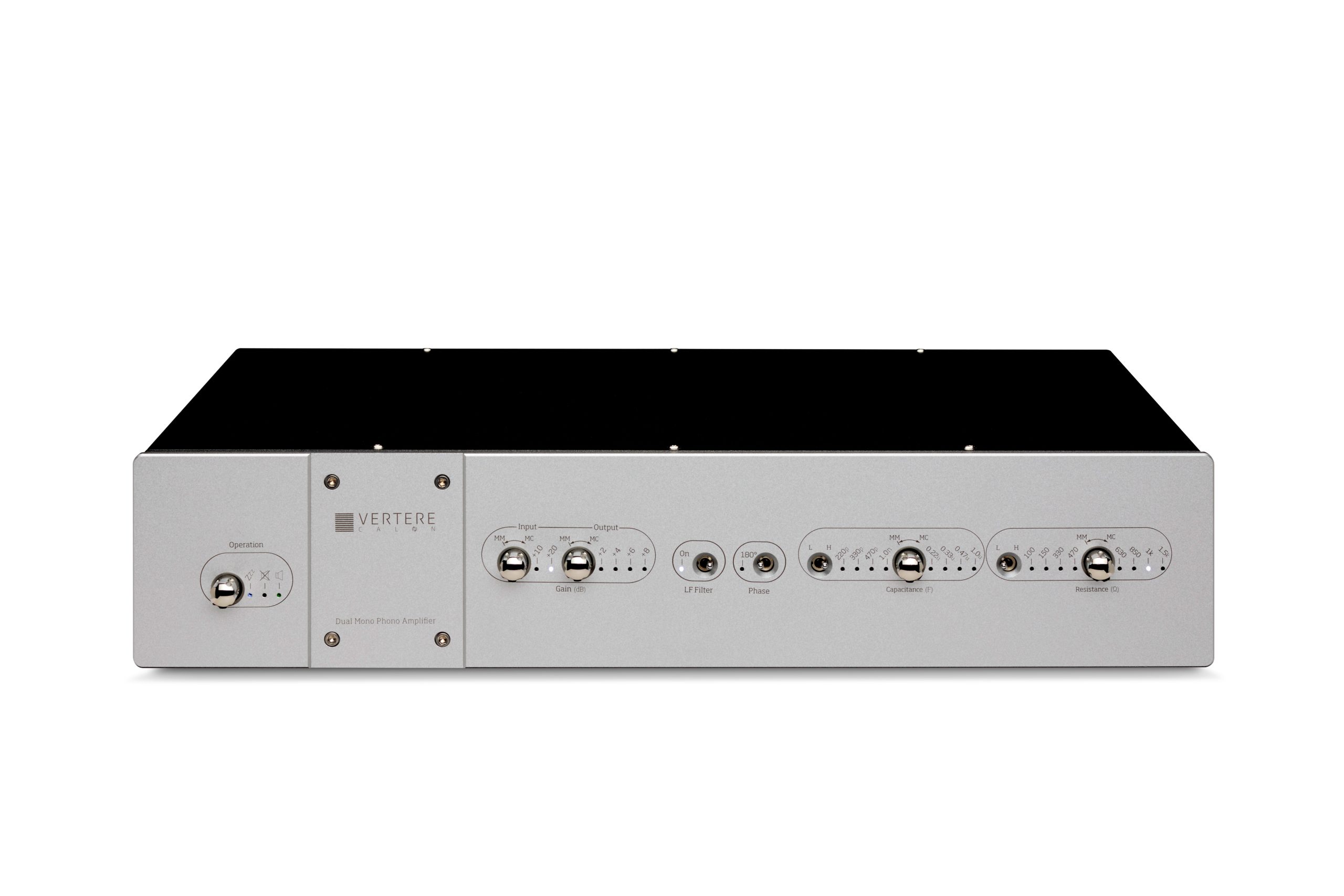
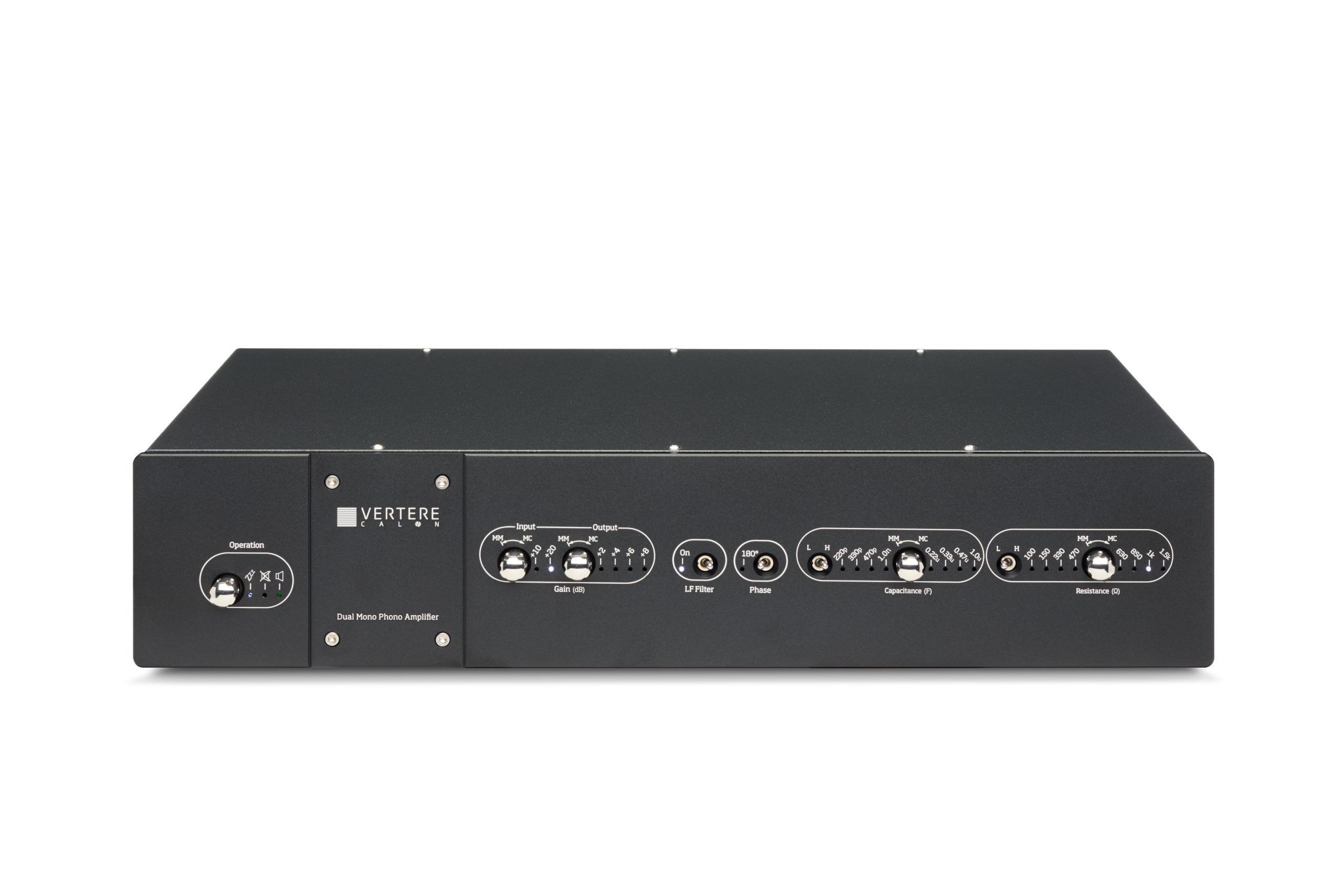
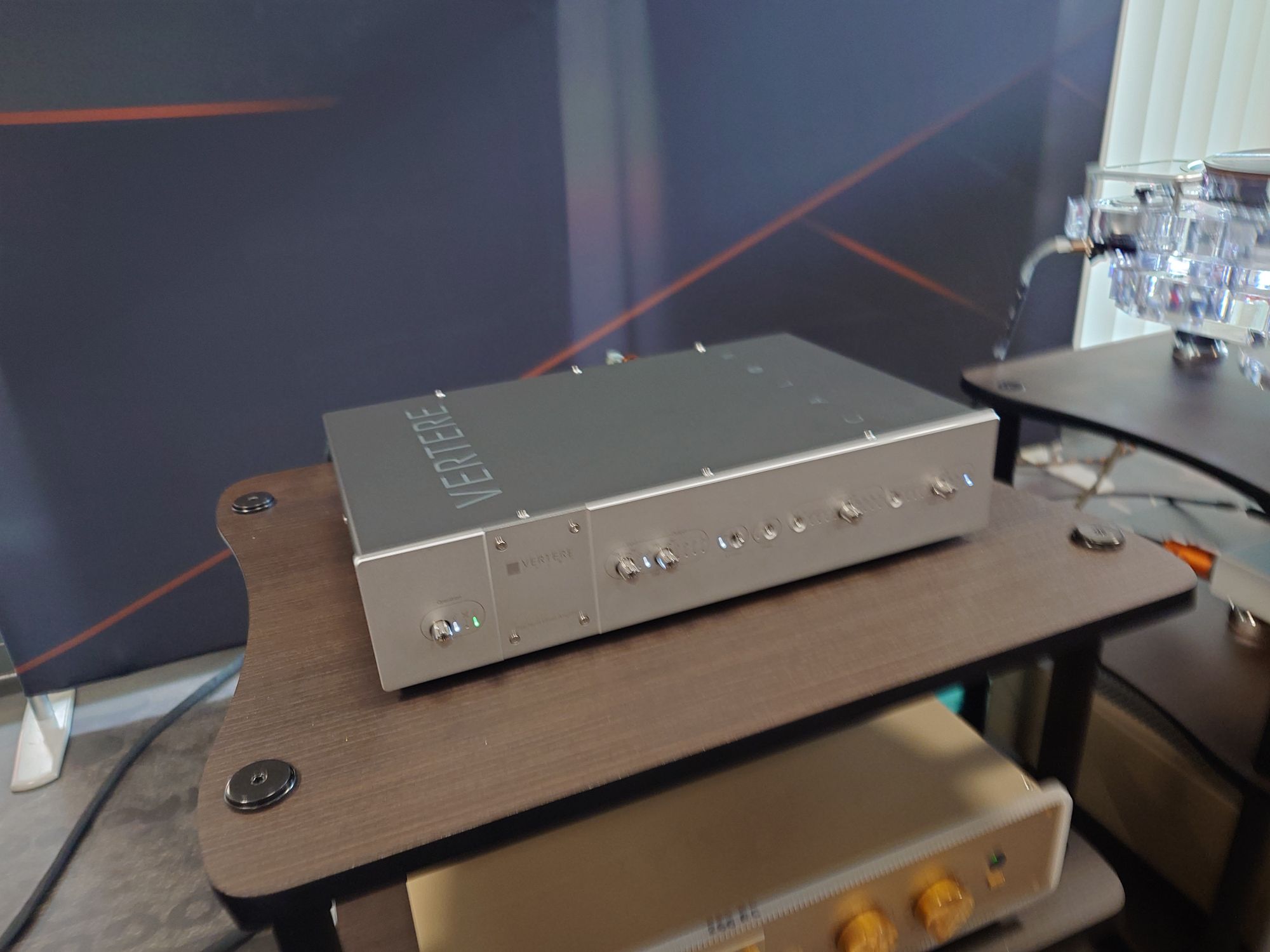
Vertere Acoustics Munich Motorworld – Walter Rohrl Suite. 09 May 2024. Today, Touraj Moghaddam, founder and chief executive of Vertere, held a press conference to launch CALON, the first Vertere high-end dual-mono phono preamplifier. CALON will be available in July and sell for £15500; €18998; $19995. CALON is available in either silver or black.
CALON has been designed to ensure that all the performance gains enabled by recent improvements in Vertere Record players, especially the new XtraX cartridge, SG-II PTA HB, and Reference tonearms, are not lost. Less-than-ideal circuits, circuit layouts, and power supplies can easily deliver a good sound but not a great one. CALON delivers a truly great sound with amazing transparency and dynamics from Vertere’s latest record players. A demonstration is strongly suggested. More than being excellent technically, CALON’s real benefit is its ability to deliver the goods while drawing the listener deeper into the emotion and power of the music. CALON is a product for the heart as much as the brain.
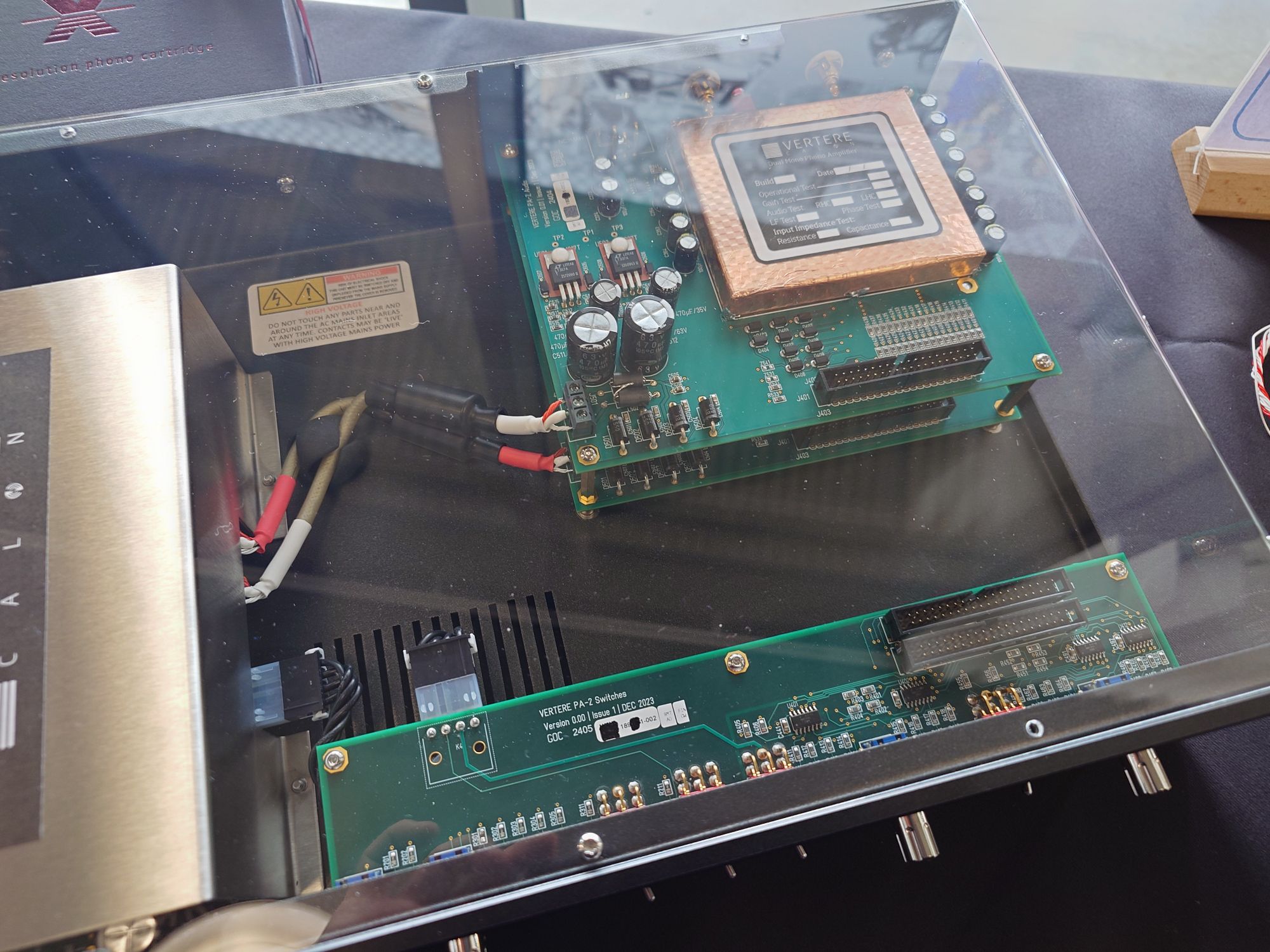
The case is machined from non-magnetic (Austenitic) Stainless steel, which brings a high level of shielding without the ferromagnetic eddy current and field hysteresis problems iron or steel would bring. The knobs are super-polished stainless steel. Each part of the circuit has been created to maximise performance and be part of a high-end whole. The gain structure has been carefully calculated, designed, and implemented to deliver the best transparency, detail resolution, and dynamics from any cartridge.
The cartridge input first enters a gain stage with user-selectable gain (default, +10dB, +20dB). Then, it is subjected to an RIAA ‘filter’ where, in an ideal manner, the HF section is passive and the LF active. After this is another user-selectable gain stage (0dB, +2dB, +4dB, +6dB, +8db) leading to the output RCAs and the balanced output line driver stage. Both outputs are on (except when muted), but connecting and using one at a time is best. CALON includes a switchable subsonic filter to reduce the wasted energy and headroom caused by (subsonic) noise below normal audibility, which some turntable/arm/cartridges generate in excess. The circuit is linear phase and has a practically unmeasurable effect above 20Hz. In addition, the output of CALON can be 180° phase inverted for those rare records recorded/mastered with incorrect absolute phase. CALON is user-configurable for most Moving Magnet and Moving Coil Cartridges available. The front panel knobs allow the choice of nine input impedances and nine options of capacitance together with 15 choices of gain. For example, it will enable a somewhat peaky (with a rising HF response) Moving Coil cartridge to be tamed by adding capacitance rather than by reducing input impedance. Lowering the input impedance tends to ‘slug’ the sound, reducing musical performance and drama and lowering the brightness. Adding capacitance while keeping the input impedance higher allows the entire performance to shine. The power switch has three convenient options: Power off, Power on but output muted, and Power on output on. CALON gets the best from any high-quality record player, with maximum transfer of dynamic range and supreme detail resolution. Touraj commented, “We are still learning how much info is contained in the groove. CALON allows us to get closer to getting all of it.”
Audio circuits The audio circuits with their respective power supplies are on two identical four-layer gold-plated circuit boards, which is an ideal dual mono configuration. Four layers allow ideal grounding and ground planes as shields within the board itself. It provides control of the ground and power impedances to optimise signal path and ground path flow. Populated with a choice of through hole and surface mount devices using whichever is optimum for the circuit requirement. The active devices are laser-precision-trimmed high-end integrated circuits that deliver virtually identical performance statically and dynamically under differing signal levels and temperatures. Circuit design is one thing, and circuit optimisation is another. Choice of components to achieve the required performance and neutrality is a skill that requires a massive resource of available components and almost infinite time, or it requires vast experience and skill. It’s easy to ‘throw’ loads of costly components at a circuit to get the necessary performance, but this usually means missing the target price point and not constantly hitting the target performance. Touraj has the experience and knowledge to understand the balance required between power supply and primary circuit and the choice of components wherein to deliver an accurate, musical and fun performance. Both audio PCBs are shielded separately by Austenitic Stainless Steel shields. These shields, combined with the use of high-quality components and special solder, guarantee consistent optimum performance for the long term.
Control circuits The control circuit includes the logic and the many relays, which means CALON is easy to use, visual, quiet in operation and stable.
Power supply There are two toroidal transformers, one supplying low-voltage AC to the L&R Audio Boards and one supplying low-voltage AC to the logic and relay board. AC is supplied to the circuits so rectification, storage, and regulation can be as close as possible to the required circuits. An iron shield ‘hides’ the transformers electromagnetically to maximise the overall signal-to-noise ratio.
Balanced Phono – some thoughts There has been a trend among hi-fi enthusiasts in recent years to consider balanced connections as good and single-ended connections as less good. Examples are often quoted of recording studios where most audio connections are balanced. Cables in the professional world are usually very long, and noise pickup can be problematic. Balanced connections are far better at rejecting common mode noise, which is why they are ideal for long cables. Balanced connections are also hugely practical for microphones, which are often phantom-powered. There is practically no advantage to using balanced short interconnects (except if the designer has obsessed over the balanced circuits to the detriment of the single-ended ones). Making a traditional analogue preamplifier fully balanced from input to output is practically impossible, as balanced volume controls don’t exist. Even in the unlikely event of someone making one, the channel and plus / minus tracking required would be beyond the tolerances of a volume potentiometer. Balanced phono is even more complicated, as although a cartridge’s output is floating, it is not balanced about ground/earth. Yes, having a discrete plus and minus connection for L&R and a separate ground wire all the way back to the phono preamp is essential for optimal performance, but just putting XLRs on the cable doesn’t make it balanced.
Technical Specifications Type MC/MM Phono Preamplifier Main phono circuit on two separate gold-plated PCBs Power Supply Two Linear, Internally Mains voltage switchable, transformers Gain Settings 45dB to 73dB In 15 Steps Input Impedance Settings Resistance 100R to 47k in 9 Steps Capacitance 100pF to 1.0uF – In 9 Steps Frequency Response 20Hz – 20kHz +/- 0.2dB Noise < -83dB – AWD THD+N 0.01% Finish Front Panel Options Silver or Black Dimensions 412 x 290 x 88mm W x D x H (Incl. Switches & Feet) Weight 7.0kg
Background to the design Phono stage design is rather challenging, as the circuit must work with the minuscule cartridge signal, which is typically only a fraction of a millivolt. That tiny signal must be cleanly amplified a thousandfold and equalised to the exact RIAA curve to represent the original recorded music faithfully. Vertere’s CALON design achieves this, providing the complete enjoyment that is often missing even in high-quality vinyl playback systems. The dual-mono main circuit and the use of the highest-quality components maximise dynamic range and deliver supreme detail resolution. CALON’s accurate RIAA circuit uses only the tightest tolerance components, ensuring a refined, natural timbre that brings the music to life.
Touraj explains the source of some of his background knowledge “Our collaboration with music industry engineers has given us invaluable insights into the art of cutting. This knowledge has enabled us to advance our record player design in many ways to extract the maximum from vinyl records. For example, with his remixes of the Beatles albums, Giles Martin – son of the late Sir George – used a Vertere MG-1 record player, including SG-1 tonearm and PHONO-1 preamplifier throughout, to check and approve the acetates and the test pressings. We’ve worked closely with the multi-award-winning mastering engineer Miles Showell since February 2017.Miles has been using his own extensively customised Neumann VMS 80 lathe, incorporating Vertere cables, to cut standard and half-speed masters for the likes of ABBA, Cream, The Police, and The Rolling Stones, as well as the 50th-anniversary release of The Beatles’ Sgt Pepper’s Lonely Hearts Club Band and The Beatles (otherwise known as ‘The White Album’). Working closely with Mileshas led to the first releases on our record label, Vertere Records. Releases: a three-track EP, two albumsby Scottish band Caezar, and the first album by Dutch singer/songwriter Elles Springs, which was specially tape-transferred and then half-speed mastered and cut by Miles for our label. By involving ourselves at every stage of the record-making process, we can ensure our players bring you as close as possible to what the artists and engineers wanted you to hear.”
About Vertere Reducing engineering to its fundamentals will get you closer to the original recording. When aiming to reproduce the complexities of music, it’s all too easy to introduce even more significant complications in the engineering of audio equipment, putting in place one element to solve the problems until the whole design escalates into something fiendishly intricate – and unnecessarily expensive. That’s not the Vertere way: coming at the whole problem with decades of audio and mechanical engineering experience, plus close collaboration with the recording and mastering industry, we step back, take a long, hard look at the fundamentals, and look for simple, elegant solutions. That may sound like a simple ‘less is more’ philosophy, but we prefer to look at it this way: the best audio equipment shouldn’t add anything to or remove anything from the original recording. Instead, it should affect it as little as possible, bringing the listener closer to what the artist, producer and mastering engineer wanted you to hear.
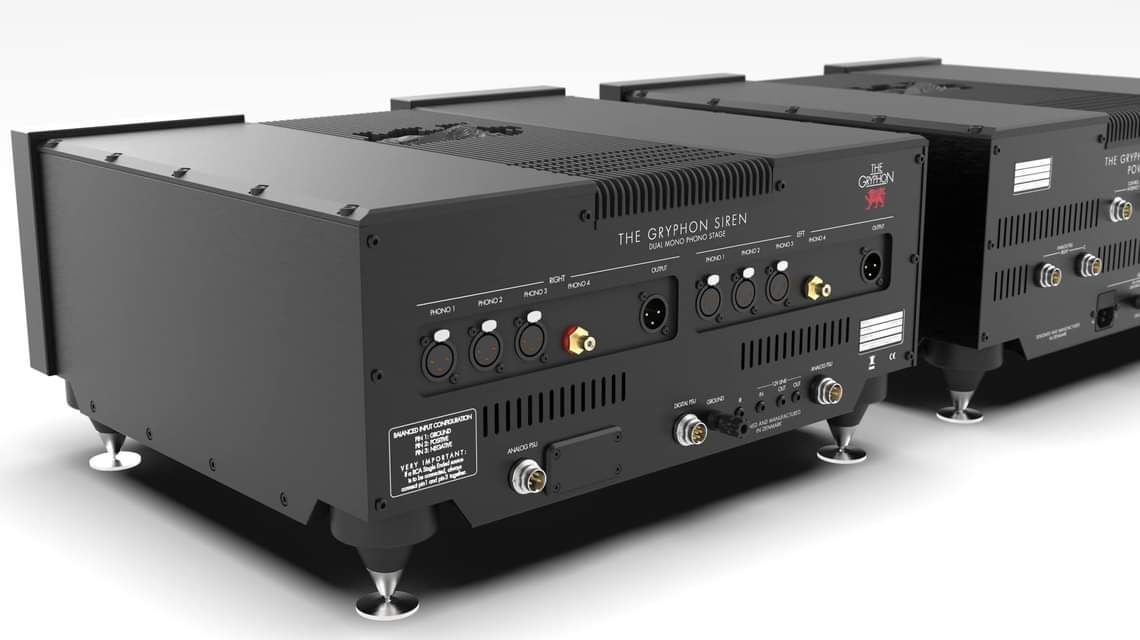
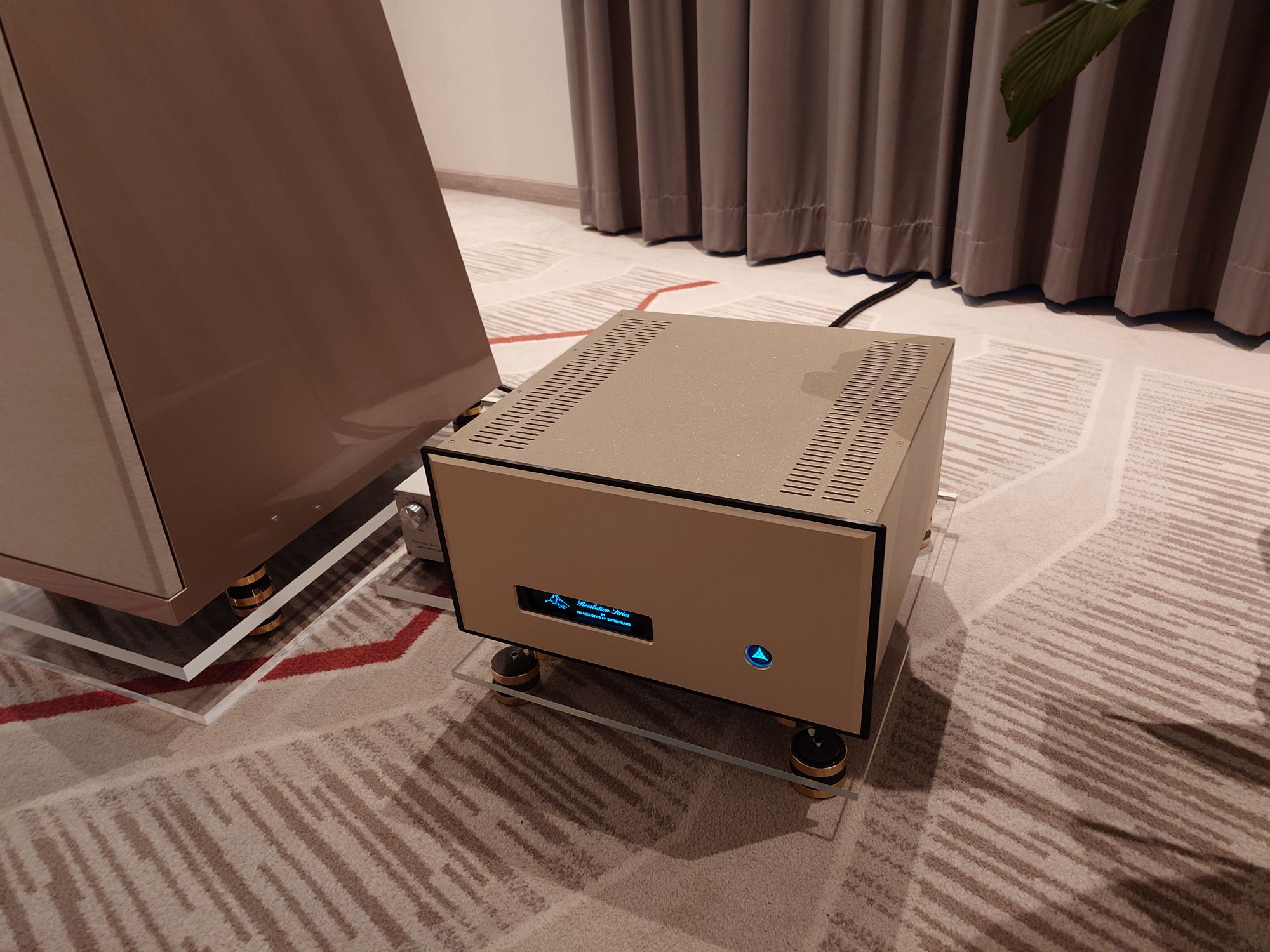
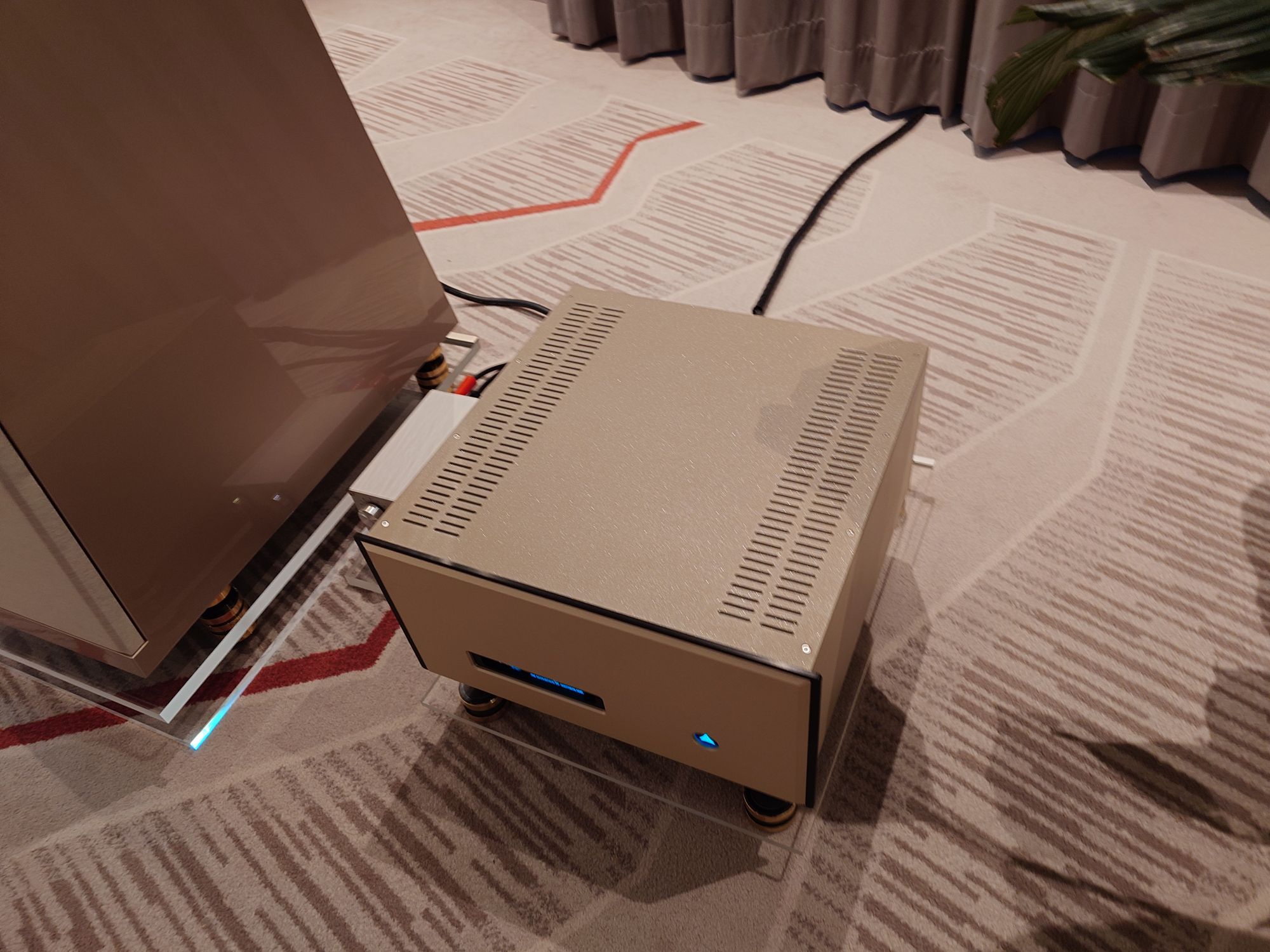
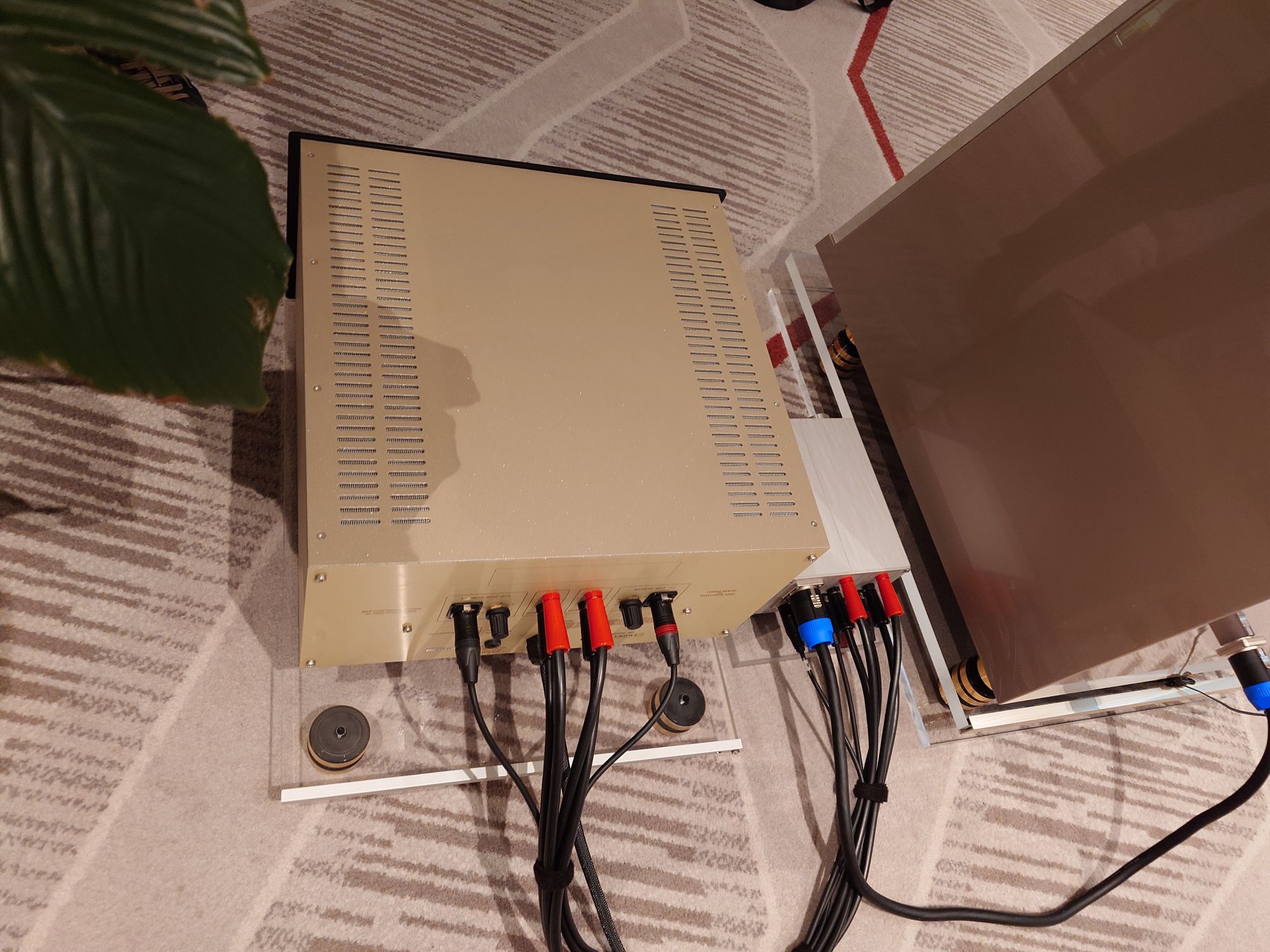
Specifications: • Three Balanced XLR inputs each channel. • One Single Ended RCA input each channel. • One Balanced XLR output each channel. • Input load Impedance MM: 47K Ohm, MC: from 20 Ohm to 1600 Ohm in selected steps. • Input load Capacitance MM: 0pF to 608pF in selected steps, MC: 0pF, 220pF or 440pF. • Output impedance: 50 Ohm • Bandwidth: RIAA +/-0,1dB • Total Power Supply Capacity, both unit’s: 74.000uF each stereo channel • Gain: MM +38dB or +48dB @ 1kHz, MC: +58dB or +68 dB @ 1kHz • S/N Unweighted 20-20kHz: MM: 86db @ 10mv, MC: 70db @ 0,5mv • S/N A-weighted 20-20kHz: MM: 90db @ 10mv, MC: 74db @ 0,5mv • Channel Separation: Infinite • Dimensions SIREN unit, WxHxD: 1 pcs. 48×23,6×45,5 cm, net unit weight. 30,4kg • Dimensions PSU unit, WxHxD: 1 pcs. 48×23,6×44 cm, net unit weight. 38kg
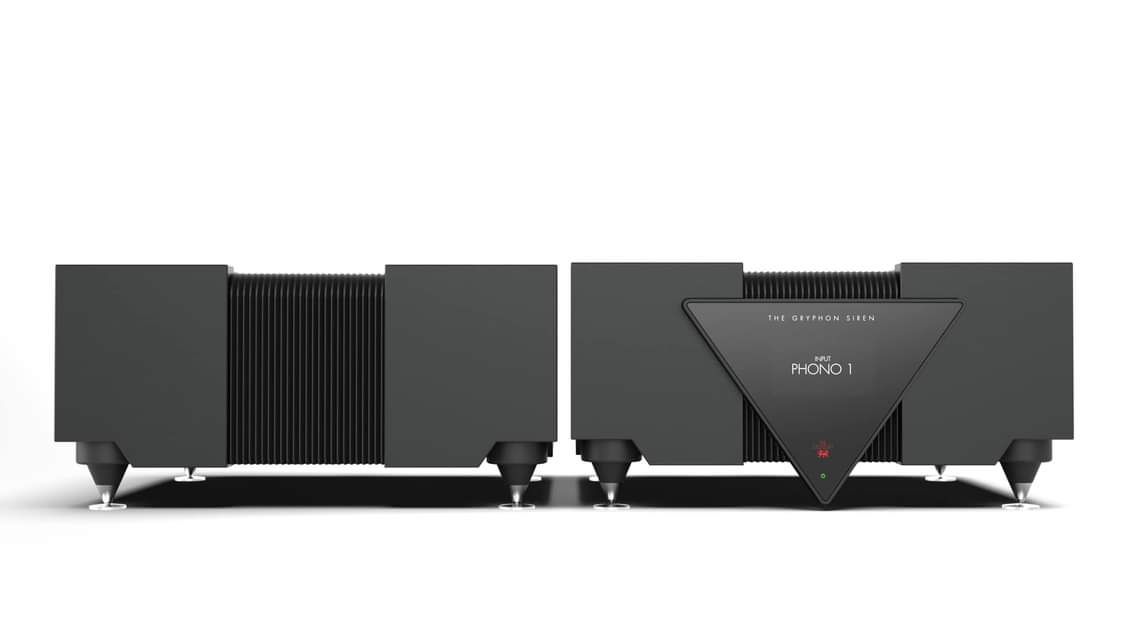
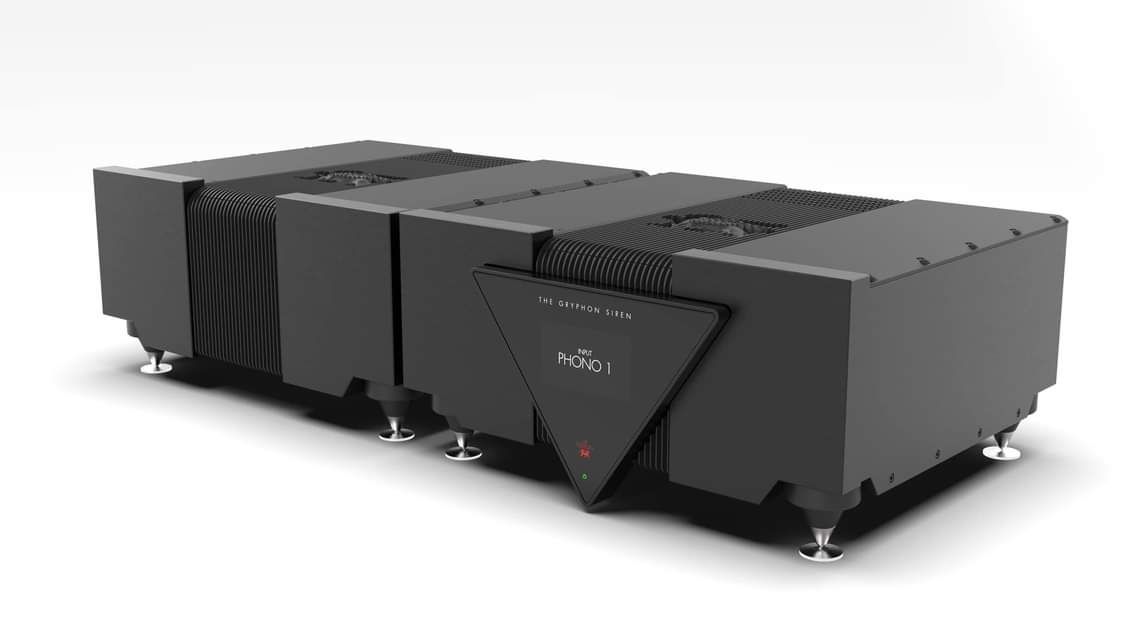
Three years ago, Gryphon forever changed Ultra-Luxe Audio with the introduction of Apex and Commander: a Power Amplifier and Preamplifier whose performance and sound quality represented significant improvements from all previous designs. Combined with our Stateof-the-Art Kodo Loudspeaker System, Ethos DAC/Transport and Vanta cabling, Apex and Commander deliver a level of system synergy beyond all other High Fidelity Systems. The recent introduction of Gryphon PowerZone extended this excellence even farther, virtually eliminating AC Power issues. Now, the introduction of Siren, the Ultimate Phono Preamplifier, adds the next essential component to the world’s finest audio system. Siren shares its sculpturally beautiful, “Nordic Noir” aesthetic with Apex and Commander. Its 4.3” TFT capacitive touch screen with 4mm hardened glass panel is identical to Commander’s, as is Siren’s Dual-Mono Power Supply Unit (PSU), which offers a power reservoir whose size and quality is unprecedented in a Phono Preamplifier. Weighing over 83 lbs (38 kg), Siren’s massive PSU features local, fully regulated power supplies for all sensitive voltage amplifying stages. These ultra-low-noise circuits provide a deep black background: the ideal foundation for ultimate phono performance. In addition to separate left- and right-channel power supplies, a third, purpose-engineered supply for all digital functions maintains total separation of Digital and Analog signal paths, all the way back to the AC Cords. Like Apex and Commander, Siren boasts four-layer Printed Circuit Boards with 70µ copper traces: more than twice the thickness of competitive components. These Boards are stuffed with the finest parts available for audio use, including Mundorf MCap ZN Capacitors, low inductance resistors from Vishay, matched transistors from ROHM and ultra-low noise transistors from ZETEX. Sensitive audio circuitry is floated on a proprietary, internal isolation base which employs “Constrained Layers” of Kerrock, Bitumen and steel to optimize component damping and eliminate smearing of fine detail.
A hallmark of all Gryphon components, Siren’s circuit topology features true Dual Mono configuration as well as Zero Global Negative Feedback. And since the phono cartridge is the only true-balanced signal in the audio playback chain, Siren preserves signal integrity by employing a fully discrete, fully balanced circuit topology: a hallmark of Gryphon Phono Preamplifier design for more than 30 years! Befitting a state-of-the-art component, extreme measures have been taken to ensure ultra-low noise operation. Minimal internal wiring and the use of specially selected, PC-Mount XLR and RCA connectors further minimize noise and wiring while enhancing product consistency and longevity. Siren has been designed for versatility and pleasure of use as well as ultimate audio performance. In order to maximize system flexibility, Siren includes four user-selectable inputs—three XLR and one RCA—to delight the most ambitious analog lovers. MC Load Impedance as well as input can be chosen from the remote handset. 12V Buss Links simplify system power-up and power-down, while a rear-panel USB 2.0 Socket enables simple Firmware Upgrades. Whether judged by sound quality, aesthetic beauty, build quality or user-friendliness, Siren represents a new standard in analog playback and occupies the pinnacle of Phono Preamplifier design. Siren by Gryphon: experience it.
Features: • True Dual Mono configuration • Zero global negative feedback • Four selectable inputs, one RCA and three balanced XLR • Selectable MC load impedance • Selectable MC and MM load capacitance • Selectable gain • Extremely low noise • Fully balanced circuit, a Gryphon phono stage innovation as early as 1994 • Fully discrete circuit • DC servo coupling • Select premium grade components. • Premium massive Mundorf MCap® ZN capacitors used for local power supply decoupling. • MCap® ZN’s loss factor is ten-times lower than of metallized PP-film capacitors. Additionally, the mass inertia of the tin foil prevents oscillations in the benefit of transparency and spatiality. • Fully regulated extremely low noise power supply for all voltage amplifying stages • Ultra-short signal path • Minimal internal wiring • Four-layer printed circuit boards with 70µ copper on all layers • PCB-mounted sockets eliminate wiring and shorten signal path.
Gold-plated Neutrik XLR sockets for up to three balanced Phono Cartridges • Gold-plated phono sockets with Teflon insulation for one Phono Cartridge • Massive Dual mono external power supply • Huge power supply capacitor bank for each channel • Separate linear power supply for both digital and each left/right analog circuits • Separate mechanical chassis for Power Supply and Amplifier circuits • Decoupled kerrock, bitumen and steel sandwich chassis bottom holding the sensitive amplifier and power supply Printed Circuit Boards, to prevent smearing of the fine audio details. • 4.3” TFT capacitive touch screen with 4mm hardened glass in front • Intuitive menu structure • 12Vdc link input and output • Infrared Receiver input on rear panel mini jack socket • Firmware upgradeable via USB 2.0 socket on rear panel • Infrared Gryphon remote • EU CE approval • Standby power consumption < 0.5W • Designed and built in Denmark. Specifications: • Three Balanced XLR inputs each channel. • One Single Ended RCA input each channel. • One Balanced XLR output each channel. • Input load Impedance MM: 47K, MC: from 20 to 1600 in selected steps. • Input load Capacitance MM: 0pF to 608pF in selected steps, MC: 0pF, 220pF or 440pF. • Output impedance: 50 • Bandwidth: RIAA +/-0,1dB • Total Power Supply Capacity, both unit’s: 74.000uF each stereo channel • Gain: MM +38dB or +48dB @ 1kHz, MC: +58dB or +68 dB @ 1kHz • S/N Unweighted 20-20kHz: MM: 86db @ 10mv, MC: 70db @ 0,5mv • S/N A-weighted 20-20kHz: MM: 90db @ 10mv, MC: 74db @ 0,5mv • Channel Separation: Infinite • Dimensions SIREN unit, WxHxD: 1 pcs. 48×23,6×45,5 cm, net unit weight. 30,4kg • Dimensions PSU unit, WxHxD: 1 pcs. 48×23,6×44 cm, net unit weight. 38kg MENU-controlled functions: • Moving Magnet (MM) or Moving Coil (MC) selection • Additional +10dB Gain option, MM and MC • Moving Coil load impedance and capacitance • Moving Magnet load capacitance • Display Intensity: (100%-75%-50%-25% and Auto Dim ON/OFF) • Name Input
Infra-Red source • Restore Settings • MENU Exit REMOTE-controlled functions: • ON / STB • MUTE / UNMUTE • Display Intensity toggle. • Input selection. • Moving Coil load impedance and capacitance • Moving Magnet load capacitance *Features and specifications can be changed by Gryphon Audio Designs without further notice. 5
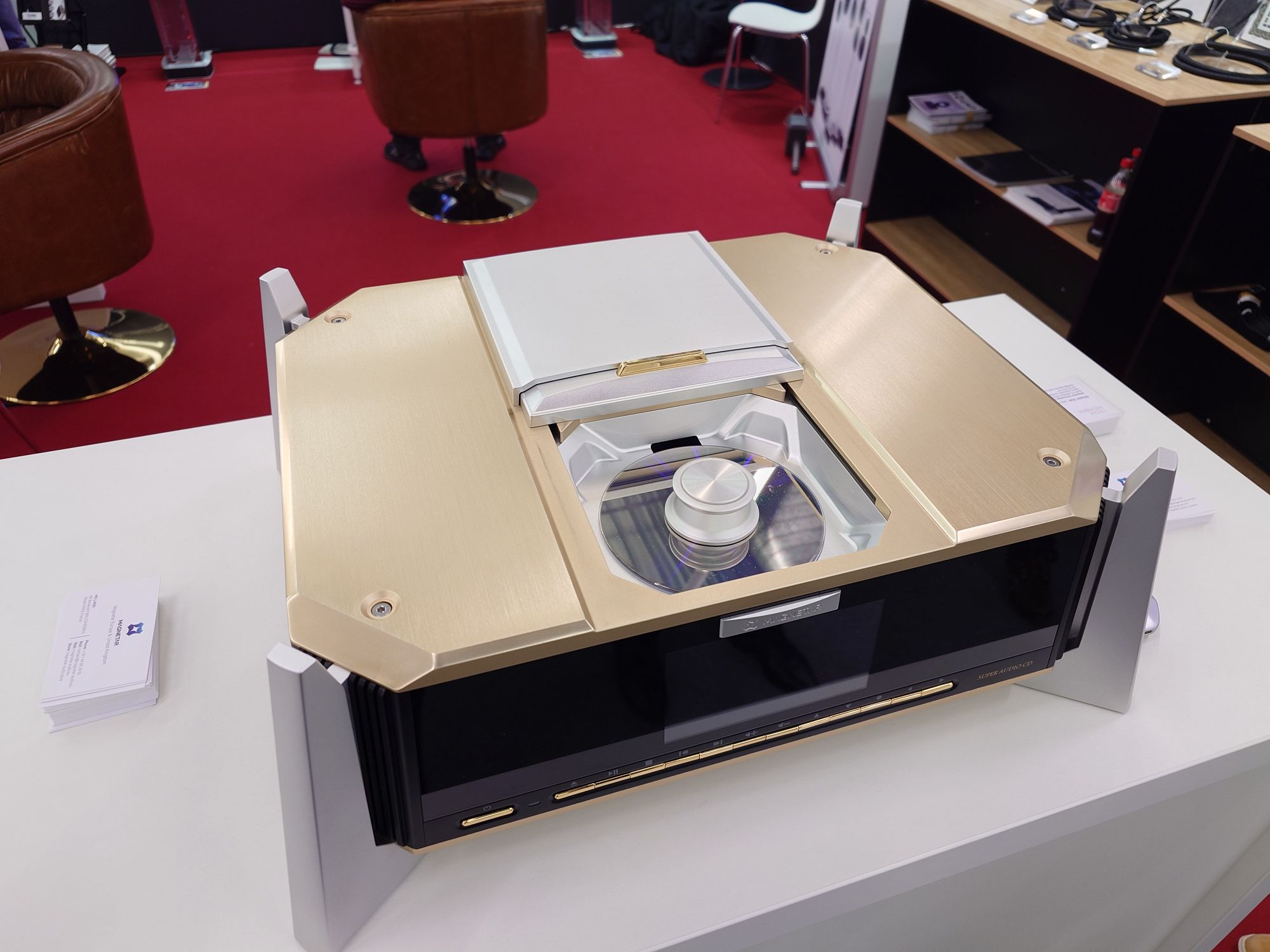
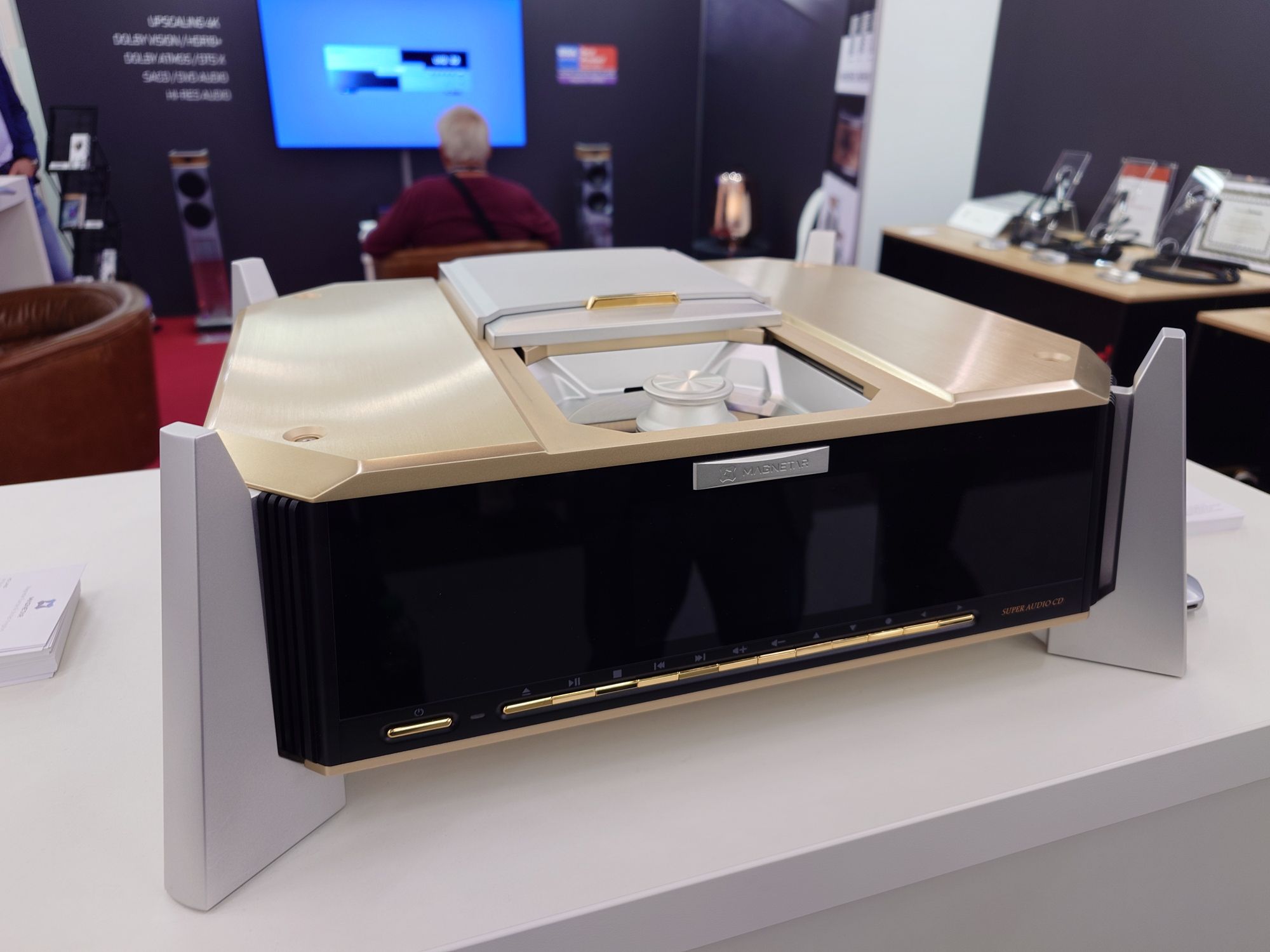
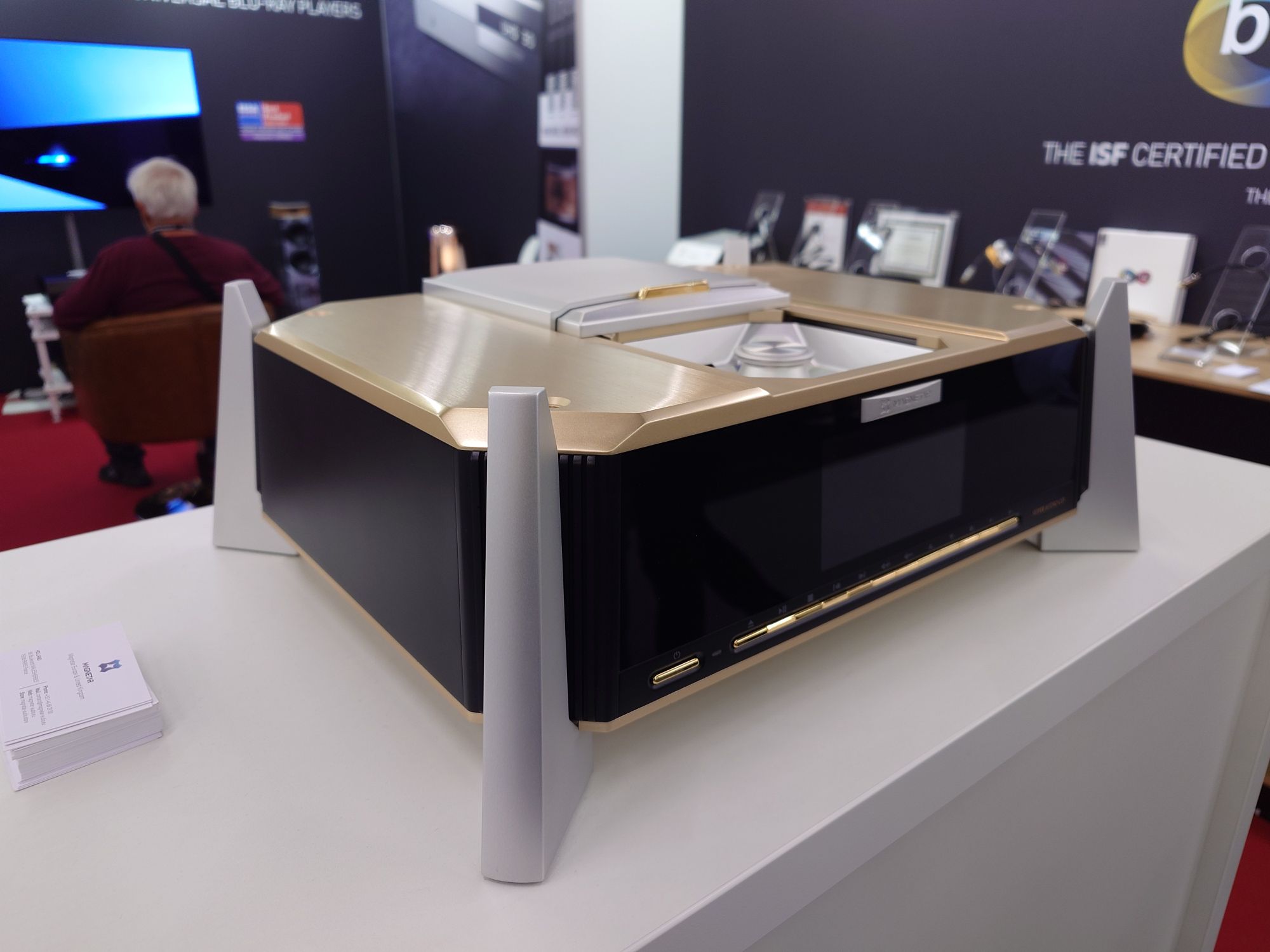
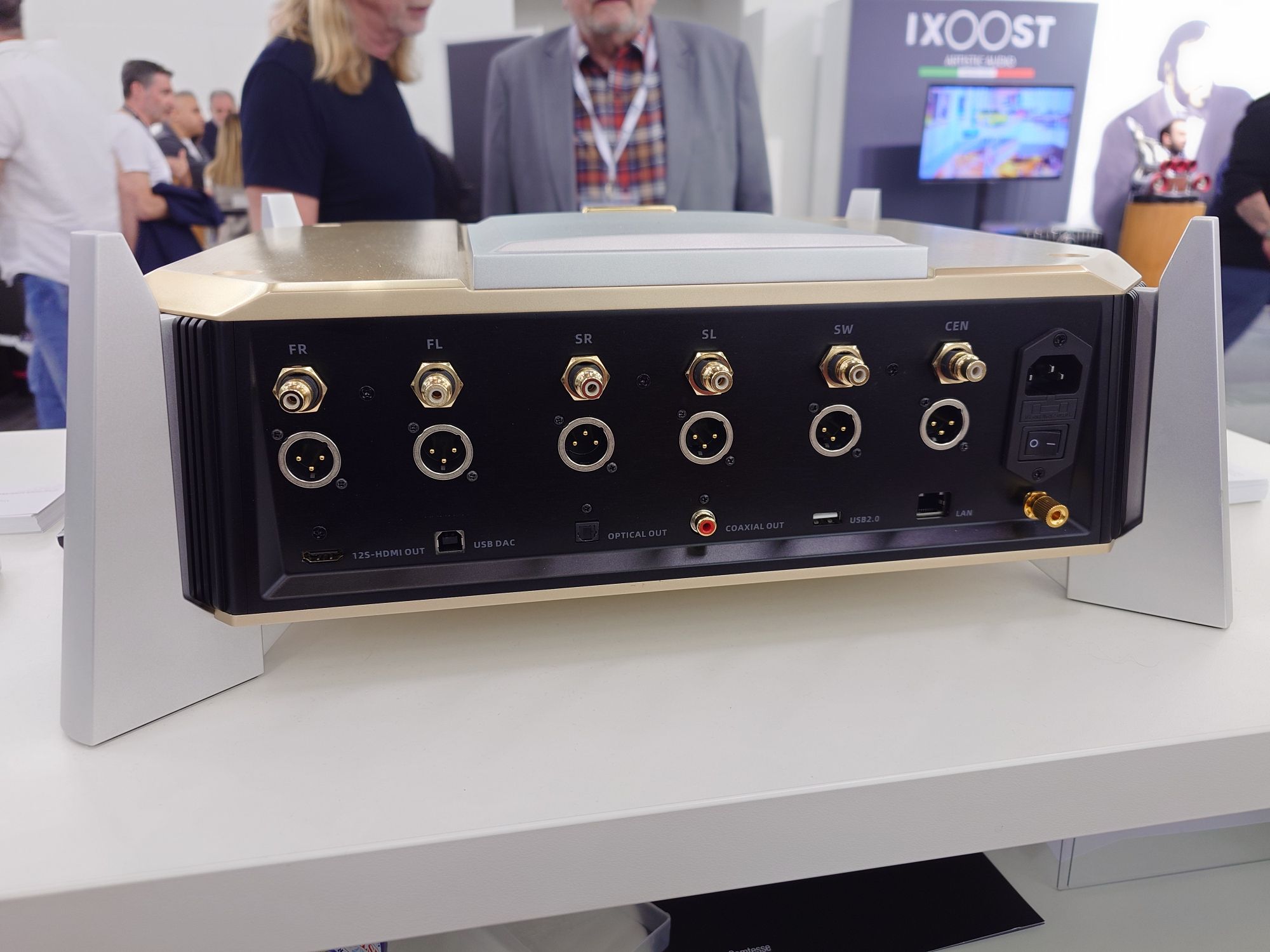
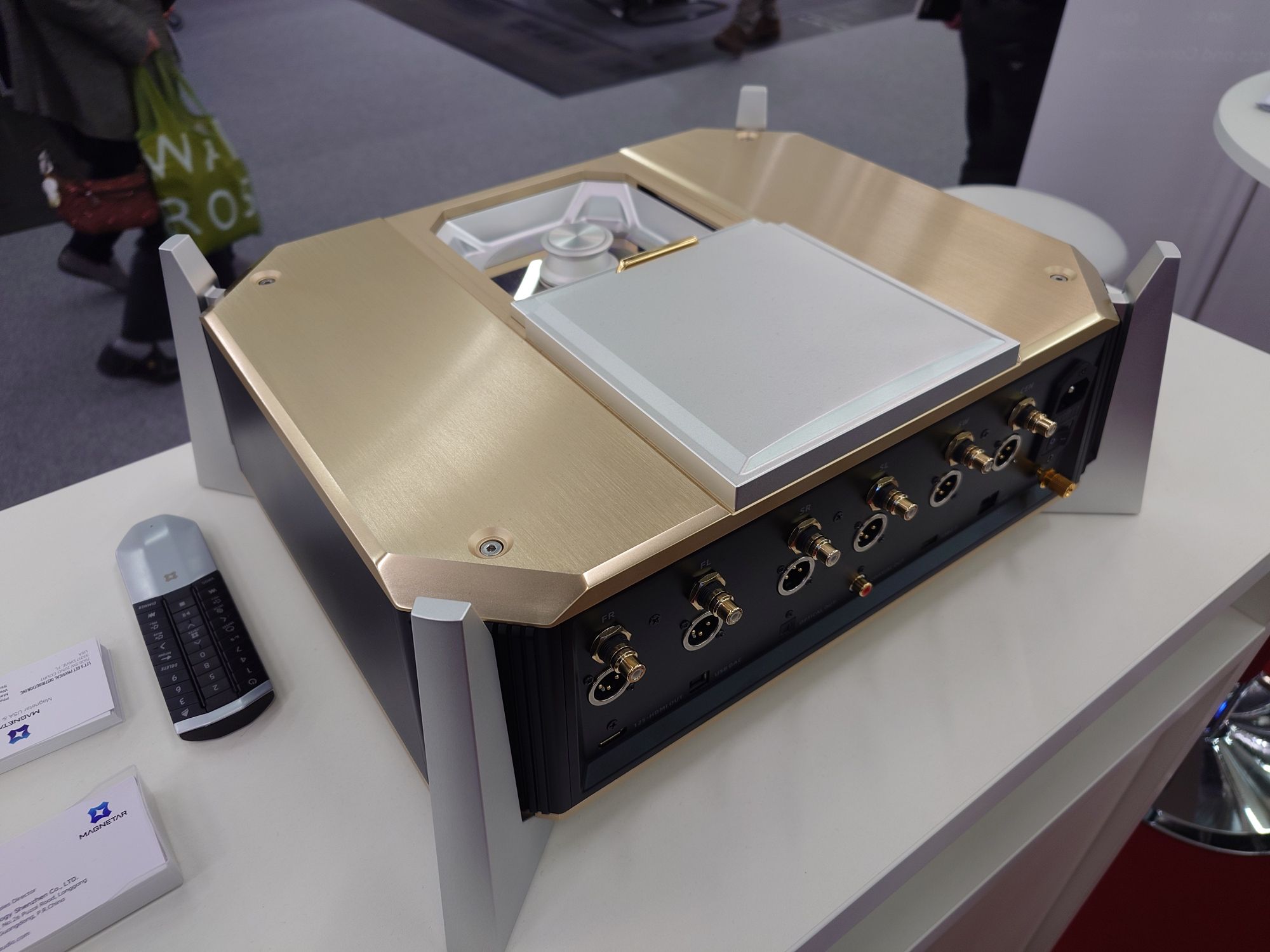
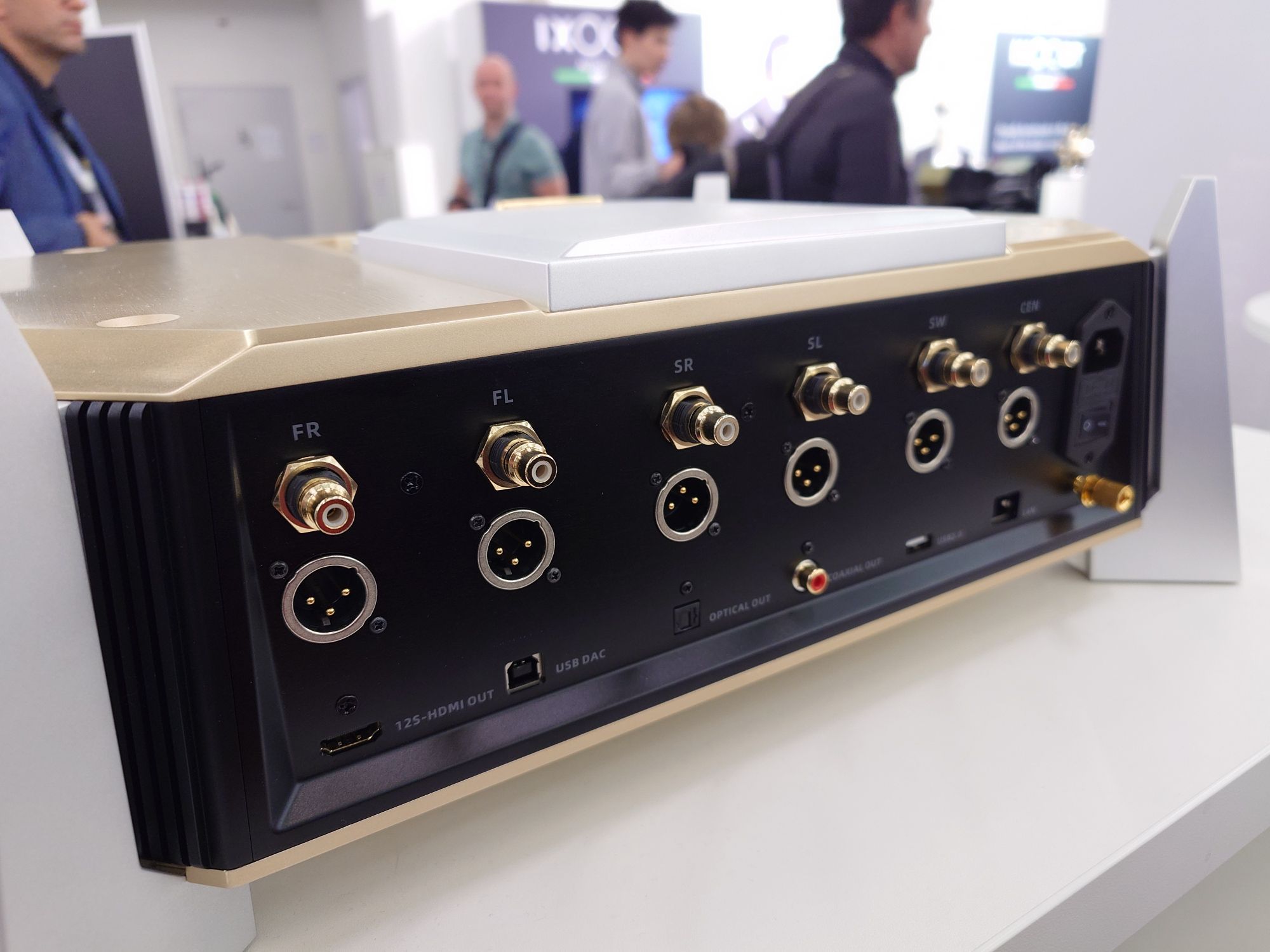
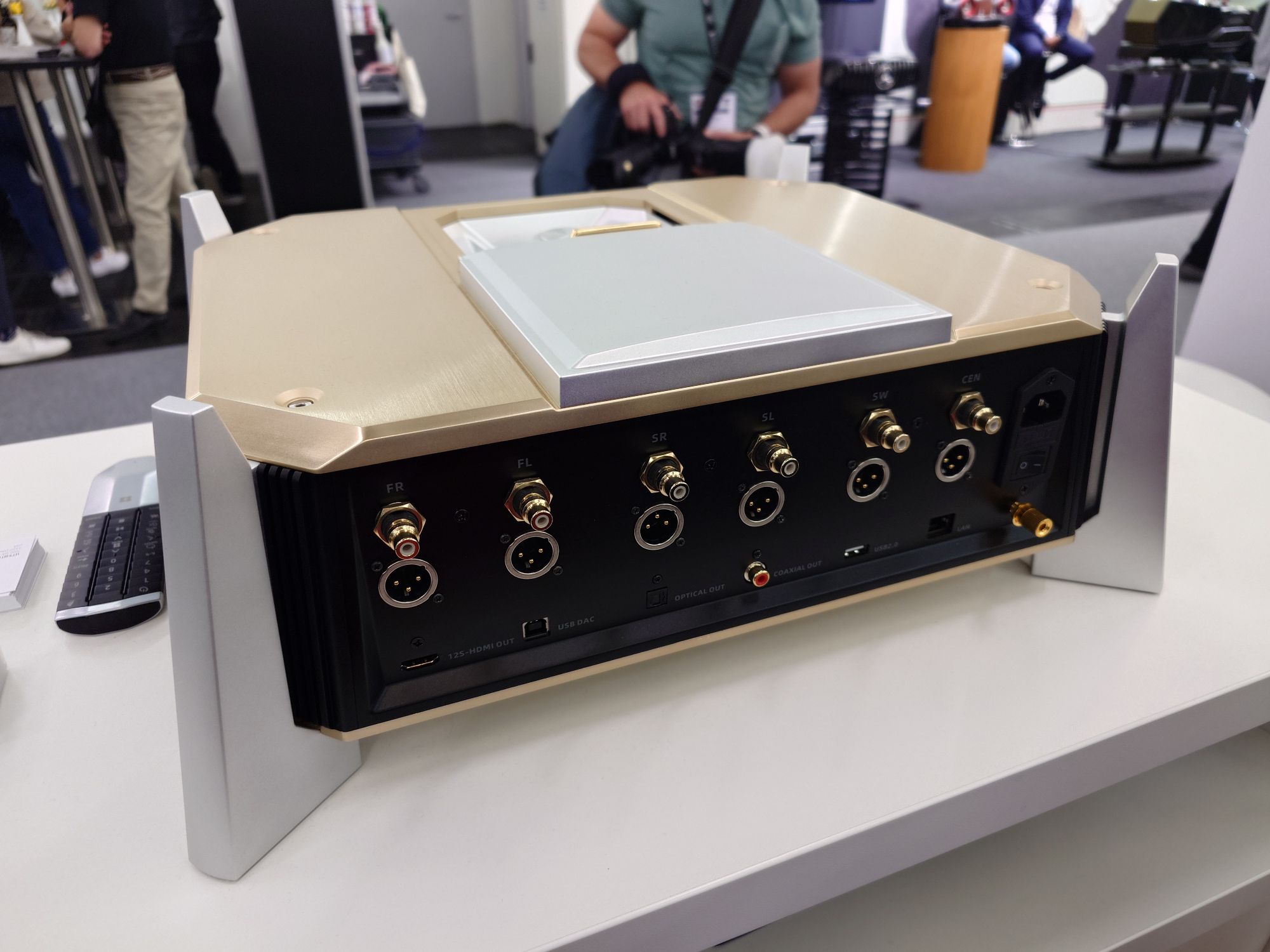
WADAX revolutionized digital music reproduction with the groundbreaking Atlantis Reference line, elevating every aspect of the musical signal to unprecedented heights and redefining the boundaries of sonic excellence. As the undisputed standard bearer for years, Atlantis Reference remains unrivaled, serving as the pinnacle against which all others are measured. Drawing from the wealth of expertise amassed through extensive research endeavors, WADAX proudly introduces the Studio • Player.
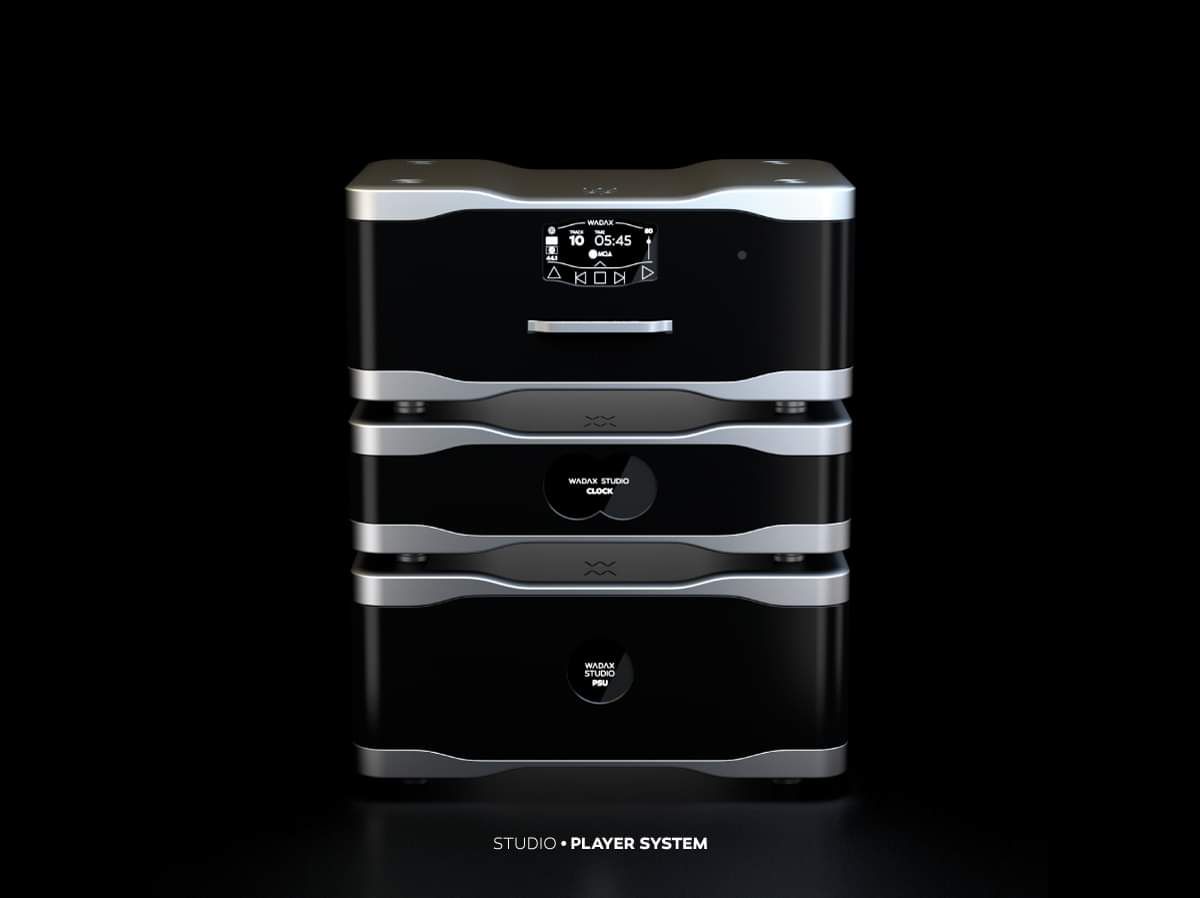
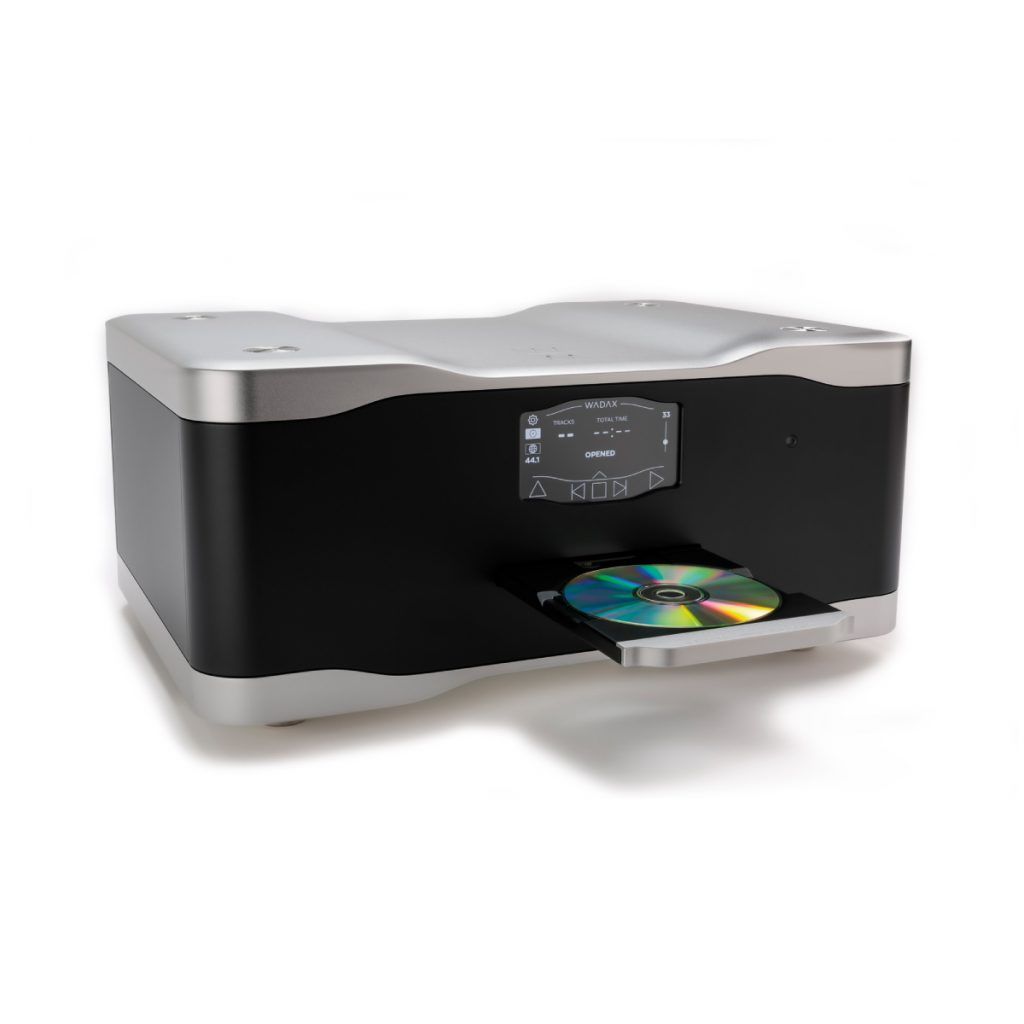
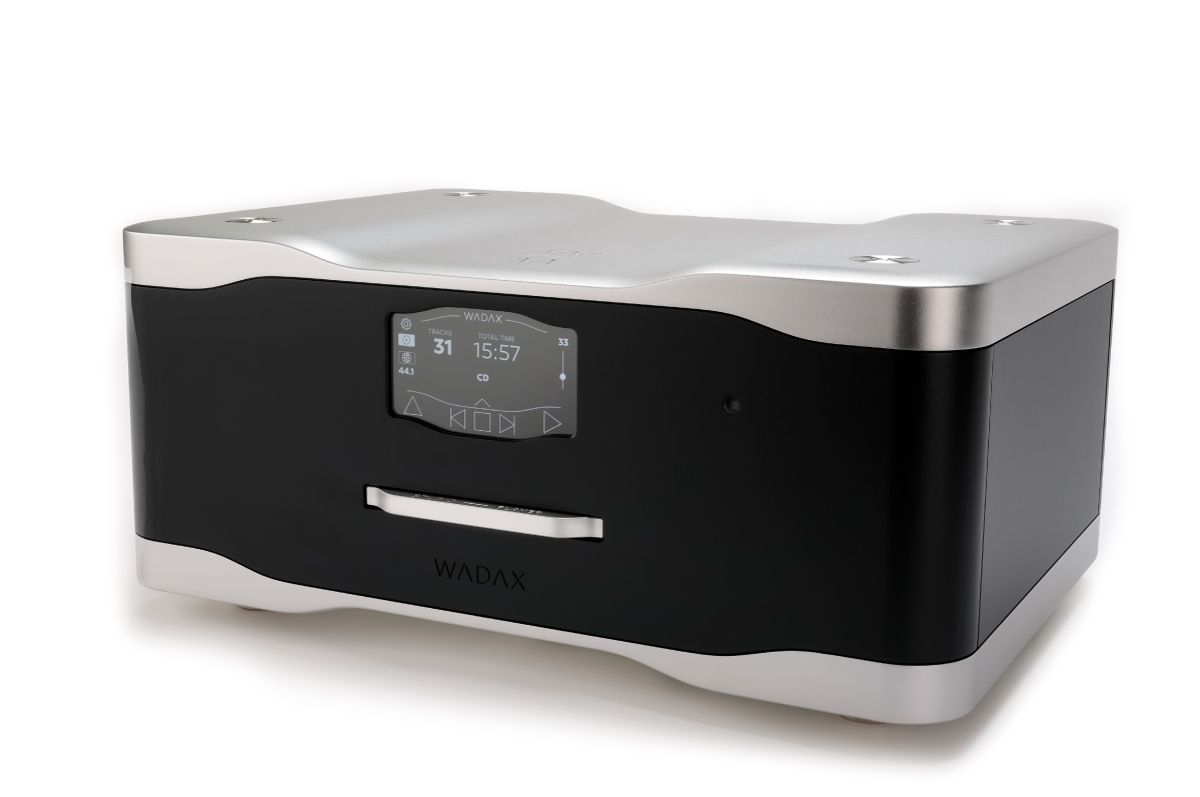
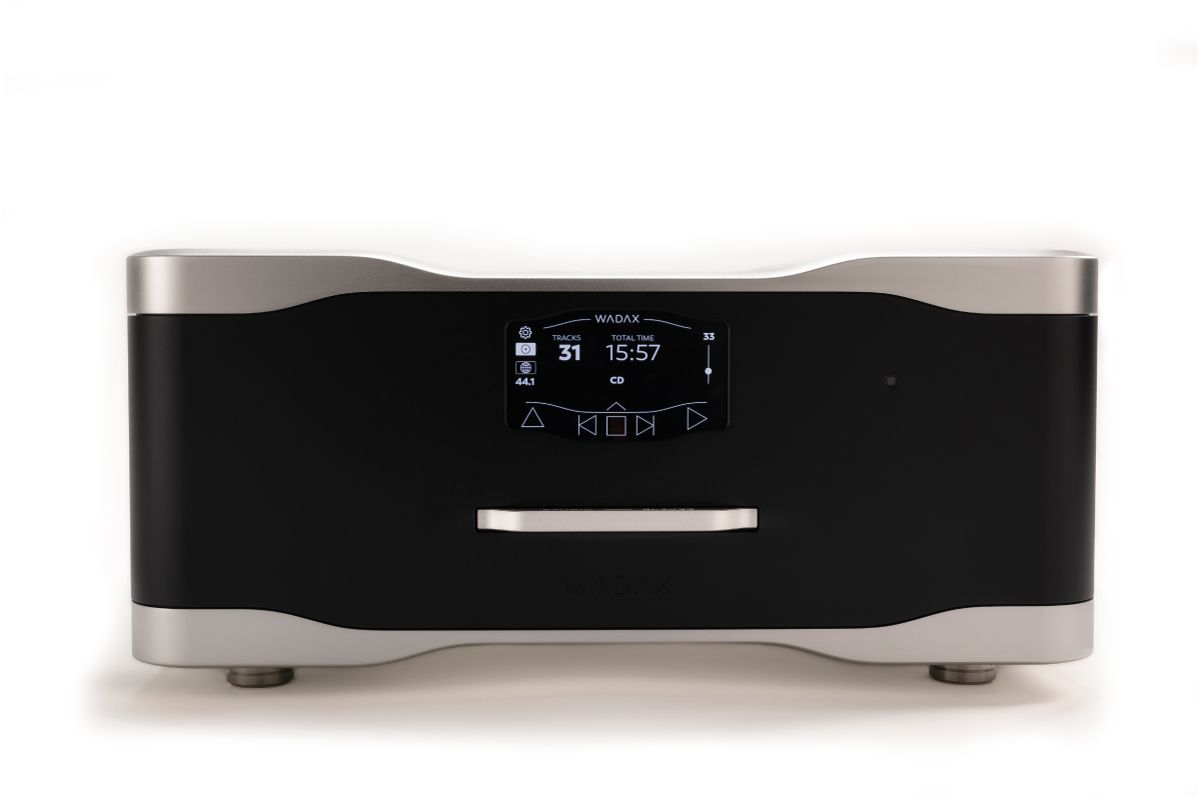
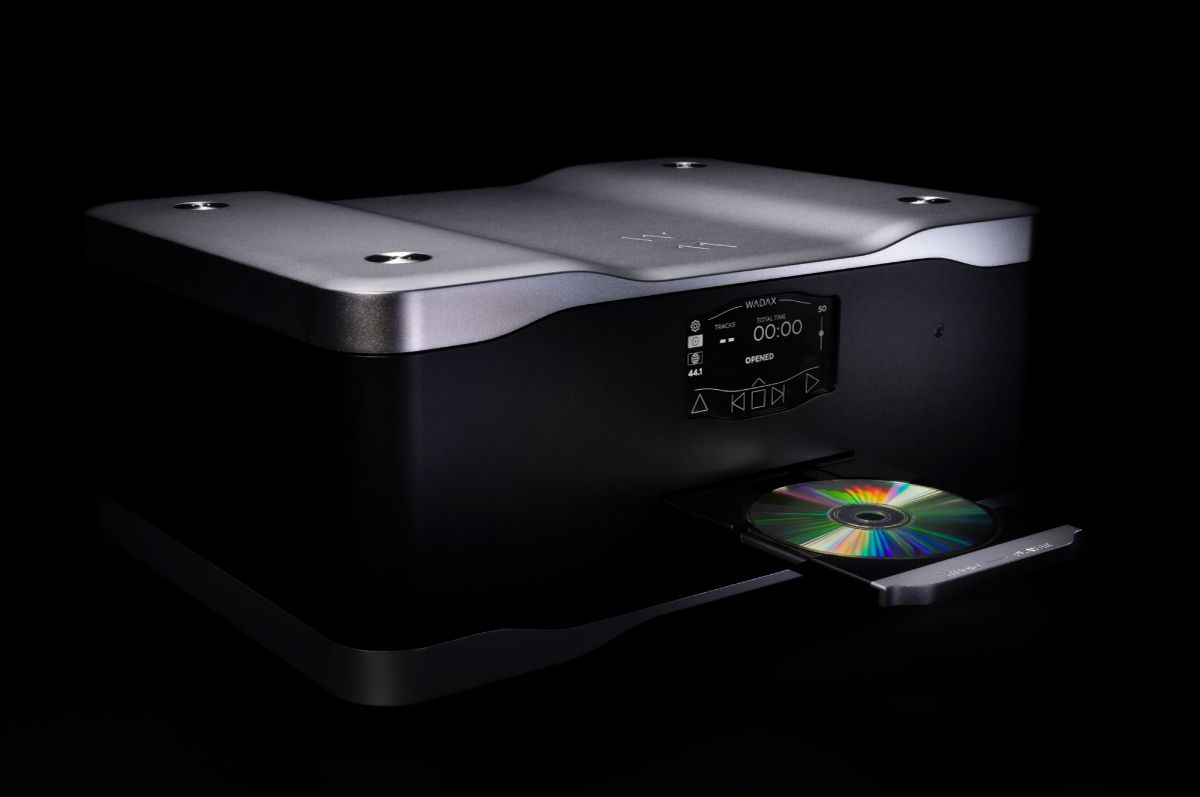
The Studio • Player seamlessly integrates WADAX technology into a single chassis, combining the functionalities of a CD/SACD disc player, streamer, and DAC for unparalleled convenience. Built upon the same digital-to-analog circuitry as the acclaimed Atlantis Reference DAC, Studio · Player delivers uncompromising performance within a streamlined design. Its user-friendly interface ensures effortless operation, allowing users to immerse themselves fully in the listening experience.
Designed for expansion, future add-on components will further elevate performance, ensuring Studio • Player evolves alongside your system. Offering a listening experience unmatched by any other multifunction digital component, Studio • Player unlocks the full potential of your system, enabling you to experience music like never before.
Experience music in a league of its own with Studio • Player—a testament to innovation, performance, and the pursuit of musical perfection
STREAMING MADE EASY
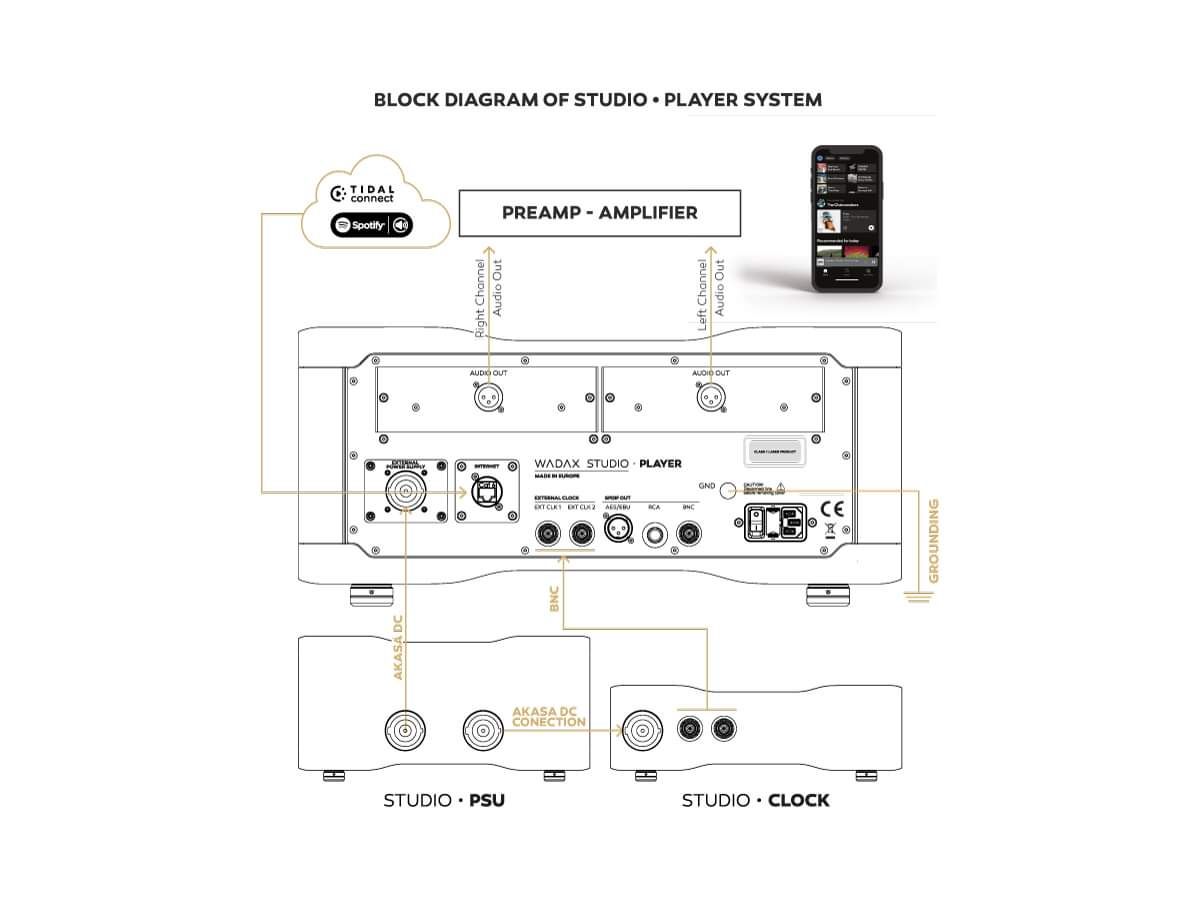
Studio • Player offers a streamlined playback experience, designed for maximum simplicity and ease of use. Instead of relying on additional streaming management software, Studio • Player has been certified by Spotify, and Tidal for direct connect playback. Other streaming services will be added. This means that users can effortlessly connect to Studio • Player using the original app from their preferred streaming service. Switching between streaming services is as simple as changing apps. The use of the native app for each streaming service ensures that Studio • Player does not require frequent updates to stay current, reducing downtime for software maintenance and allowing users to spend more time enjoying their music.
Additionally, this configuration enables any device running a streaming app to function as the controller for Studio • Player. Users can conveniently view artwork and control volume from the comfort of their listening chair. Backed by technology developed for the renowned Atlantis Reference Server, Studio • Player promises seamless playback with a level of musical engagement and performance that only WADAX can deliver.
PLAY ALL YOUR DISCS
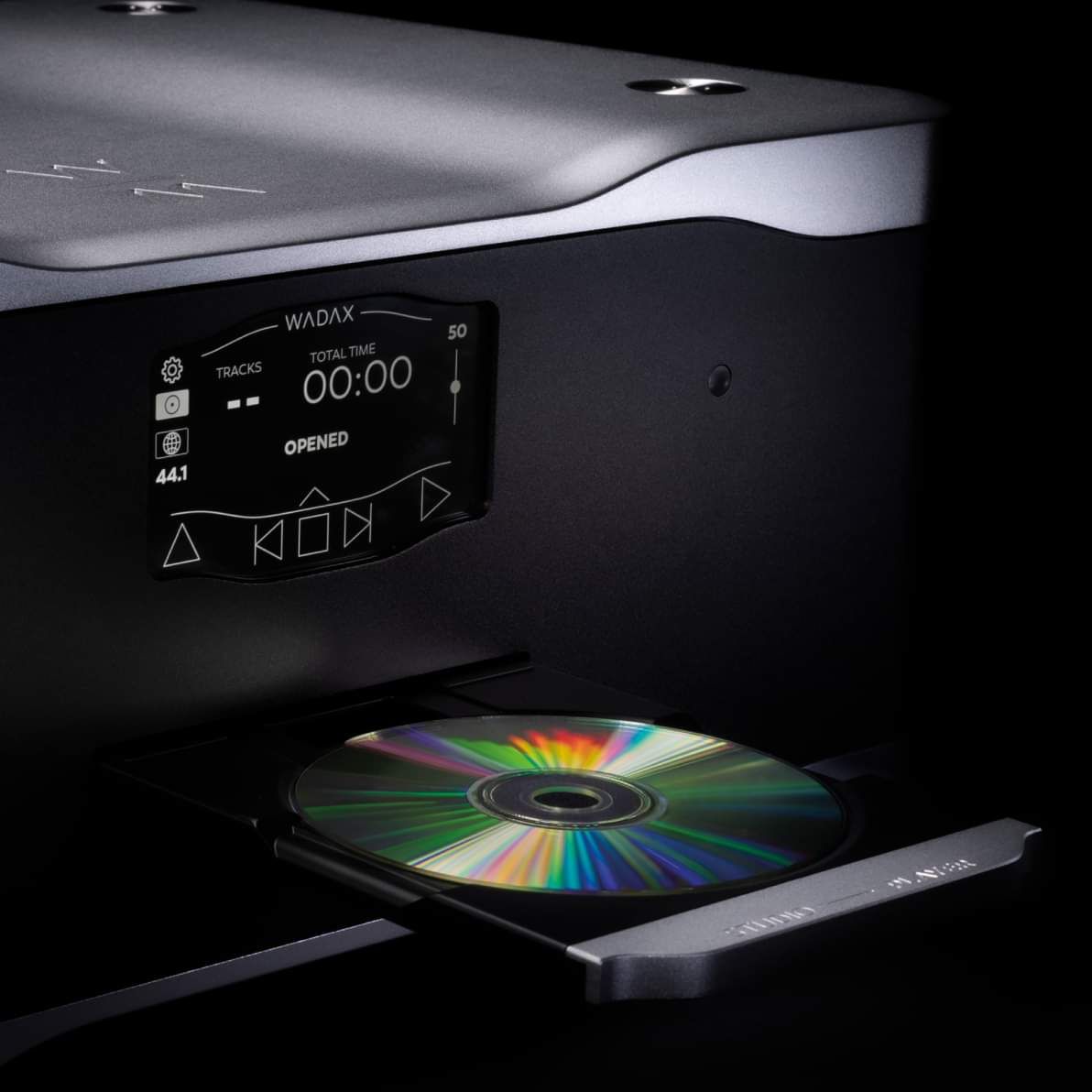
The compact disc was introduced over forty years ago and, since that time, a lot of music has been encoded to this format that is not available elsewhere. Studio • Player incorporates a disc player which reads both Red Book (CD) and Scarlett Book (SACD) discs so you can play back music no matter the format. Combining an optical disc transport with advanced technologies from WADAX once again yields a naturalness and organic quality unavailable in other digital music playback systems.
Featuring industry-leading jitter reduction and the feed forward musIC topology exclusive to WADAX, Studio • Player transforms the data from your optical media into an engaging and palpable listening experience.
THE UNIQUE musIC FEED-FORWARD ERROR CORRECTION PROCESS
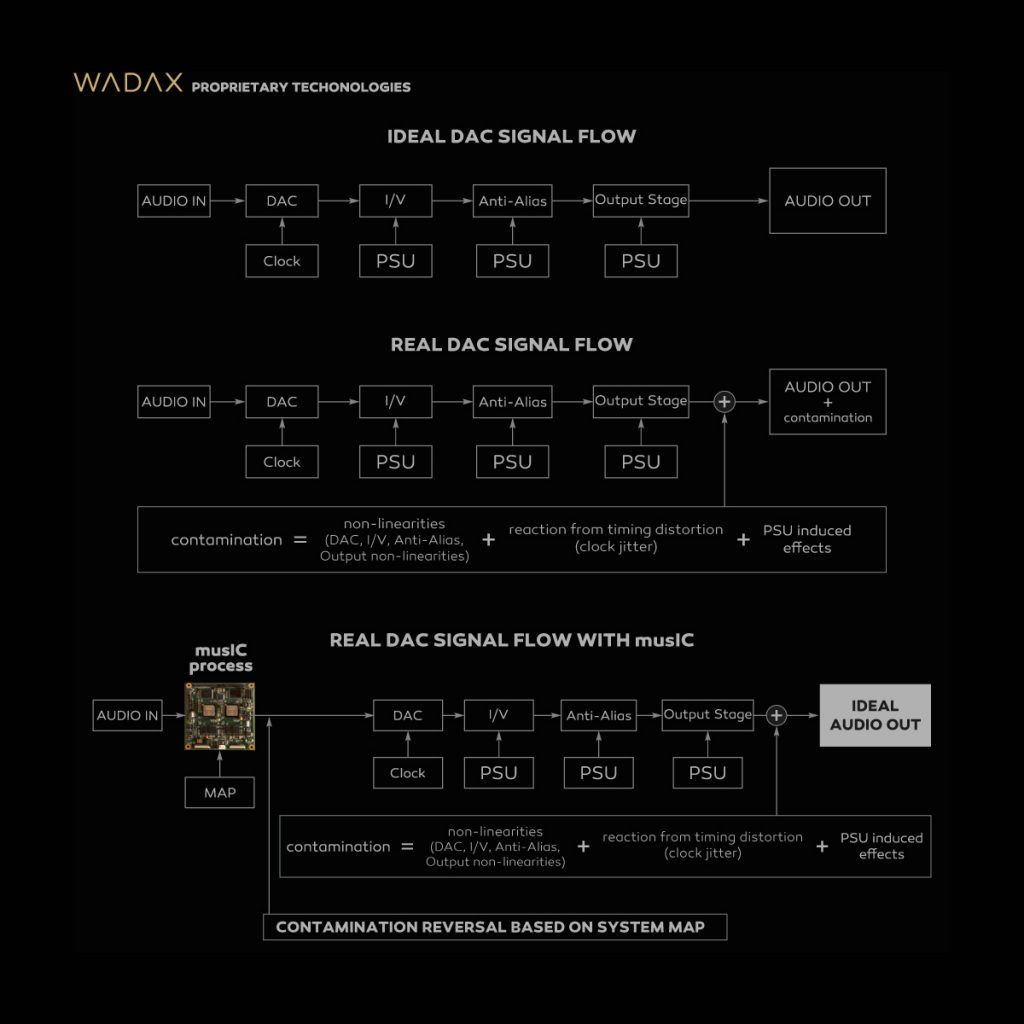
Conventional digital decoding struggles to achieve its theoretical performance: components and circuits never behave ideally, generating a complex, polluting mix of nonlinearities that contaminates the delicate audio signals during and AFTER conversion.
The delicate micro-information and expressive nuances in the musical signal are obscured by inter-reactions between power supplies, clocking, grounding, analog circuitry and the digital to analogue converter. To further complicate things, these non-linearities and error mechanisms are load dependent, varying with signal amplitude. Together they form the core of what we have all come to recognize as “digital sound.”
WADAX technology is founded on the unique musIC process, a sophisticated feed-forward error correction system that operates in the time domain. By mapping the error mechanisms of a chosen DAC chip under load using Adaptive Delta Hilbert Mapping, we can develop an algorithm that examines the incoming signal and calculates the induced error (both linear and nonlinear) that will result. By applying an inverse signal at the input we can real-time correct for the time and phase error that is so musically destructive in other, conventional decoding systems.
This process requires a massive number of mathematical operations and considerable datatransfer: 12,8 GBytes/s. Processing is done at 128 bit internal resolution to precisely render the output and generate the smallest feed-forward corrections. The result is measurably and audibly the most natural and musically communicative digital decoding currently possible – something that’s obvious as soon as you hear the Studio • Player.
STUDIO • PLAYER IN NUMBERS:
The design of the chassis is critical and has a major influence in the final performance. It’s an extremely complex design and each unit is made of 620 custom machined parts and a total of 14 different materials and alloys have been employed to manage resonance and vibration channeling.
• 40 individual printed circuit boards. • More than 4500 discrete parts. • Dual-differential musIC 3 fixed point 128-bit-feed-forward error correction process. • Fully balanced, dual mono design with complete physical and electrical separation of left and right channels (digital and analog). • Digital circuitry time aligned to 100ps. • 0.5uV of total rail noise (1Hz-100KHz): ultra sophisticated power supply with distributed regulation topology. • 30 local regulation stages, 5 stages of DC regulation. • User-adjustable gain and output impedance. • With optional STUDIO • CLOCK : only 20fs total jitter.
A PLAYER TO GROW WITH YOU
Studio • Player offers unparalleled performance and functionality, coupled with a design that evolves alongside your system. Its modular architecture and upgradability ensure that Studio • Player remains a steadfast fixture in your setup for the long term. With fully replaceable Atlantis Reference DAC modules, Studio • Player guarantees access to the latest technological advancements from WADAX .
Furthermore, Studio • Player’s upgradeability extends to the option of adding an outboard power supply and clock. This optional external power supply (Studio PSU), incorporating the technology from the Reference PSU, mitigates the noise floor by isolating sensitive circuitry from electromagnetic interference (EMI) and other disruptive noises generated by power transformers. Augmenting the power supply capacity enhances the weight and dimension of the sound.
Additionally, an outboard clock (Studio Clock also using Reference line technology) enhances timing accuracy, minimizing jitter to below 20fs (1Hz-1MHz) and delivering a musical presentation that is organic, natural, and complete. While Studio • Player excels in delivering exceptional performance on its own, its inherent flexibility allows it to adapt and expand alongside your system, consistently providing best-in-class digital music playback.
[S]pecifications
Dimensions: 48 cm (W) x 43.5 cm (D) x 11.5cm (H) Power: 100/110/220V, switchable by service, max 100W. Remote support and OTA upgrade: Software upgradeable over the Internet Operating Temperature: 41ºF – 95ºF, 5ºC – 35ºC Operating Humidity: 15% – 75%, no condensations. Internet connection is required with a minimal bandwidth of 20Mbps Output Level: 1V / 2V / 4V Output impedance: 0.4 / 7.4 / 7.5 / 8.2 / 8.3 / 8.7 / 8.82 / 9.84 / 10 / 28.57 / 30 / 46.15 / 50 / 66.67 / 75 / 600 ohms Digital outputs: 1xSPDIF RCA (32KHz-192KHz, 16-24 bits) 1xSPDIF BNC (32KHz-192KHz, 16-24 bits) 1xAES-EBU (32KHz-192KHz, 16-24 bits)
Supported disc standards: Red Book (CD) and Scarlett Book (SACD). Support streaming services: Spotify, Tidal HiFi (up to 192KHz 24bit). Certifications for other services in progress. MQA Certified. User interface: 5 inch capacitive touch full-colour display 800×480
Connections: 1 Wadax Akasa DC socket (for the optional external Power Supply – Studio PSU). 2 BNC input sockets (for the optional external clock – STUDIO CLOCK) 1 Ethernet socket 1 Service USB port Audio output: 1 pair of XLR
Net Weight: 70,50 lbs / 32Kg. With packaging and shipping pallet: 121lbs / 55Kg (80x50x58.5cm)
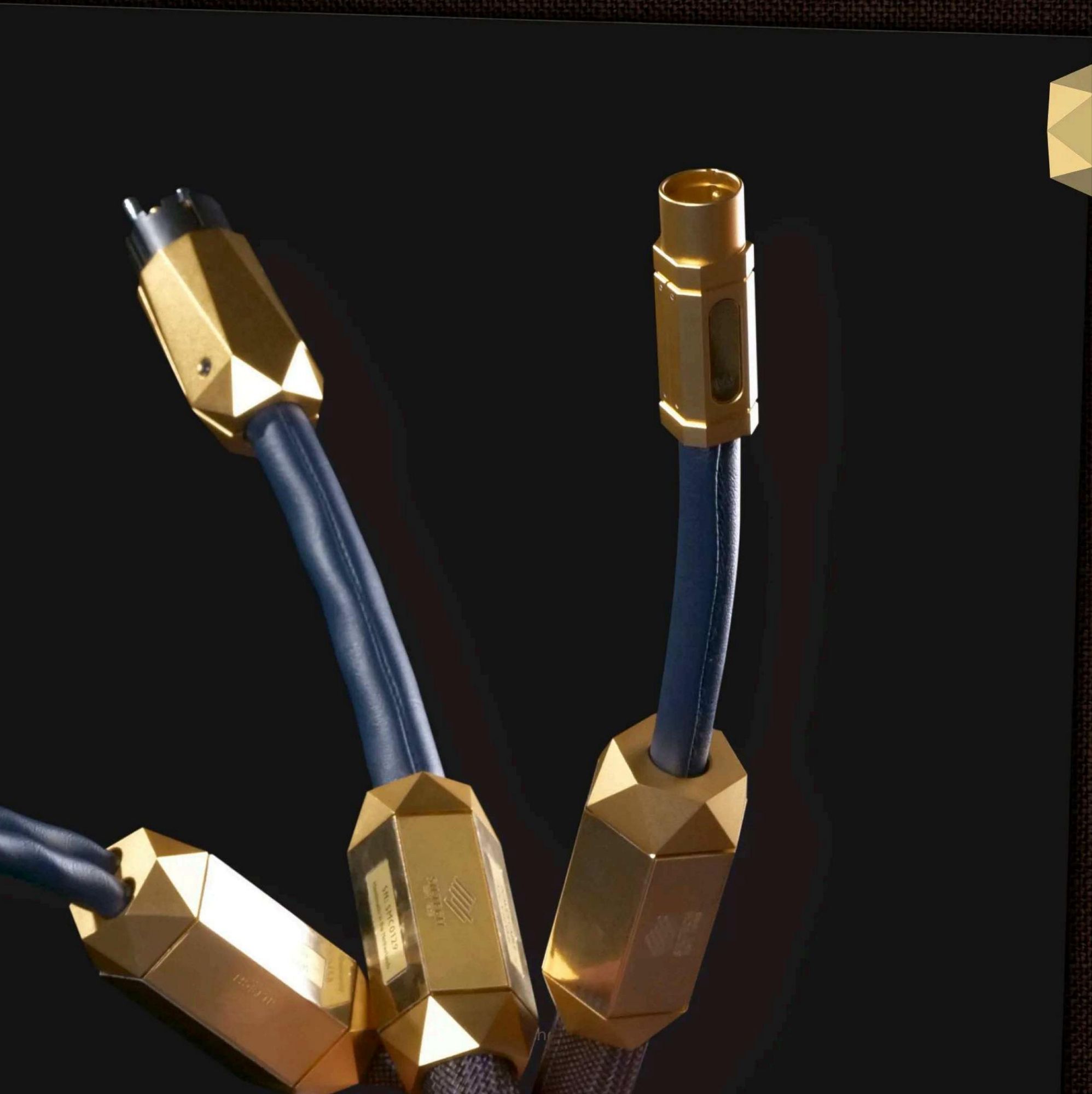
⋆ 4 high purity S10 monochrystal conductors for lowest distortion ⋆ Balanced grounding and Zero Crossing Distortion ⋆ Plasma gold-plated monochrystal silver XLR and RCA contacts
MASTERING ALL DISTORTION EFFECTS
Perhaps the most challenging cable to realize another breakthrough in musical performance, was the interconnect cable. It’s new technology is the result of many scientific findings, the most important being:
1) The solid S10 monocrystal silver conductors are now constructed following the new Balanced ground principle, for both XLR and RCA cables, further lowering the low noise floor.
2) MFD (Magnetic field distortions) related to the composition of conducting materials and insulators are also reduced further due to the new construction.
3) Reduction of CSD (Current shielding distortion) effects, for less interference with the natural audio signal.
4) Jitter reduction improves the Zero Crossing Distortion, greatly influencing the audible recognition of voices and instruments.
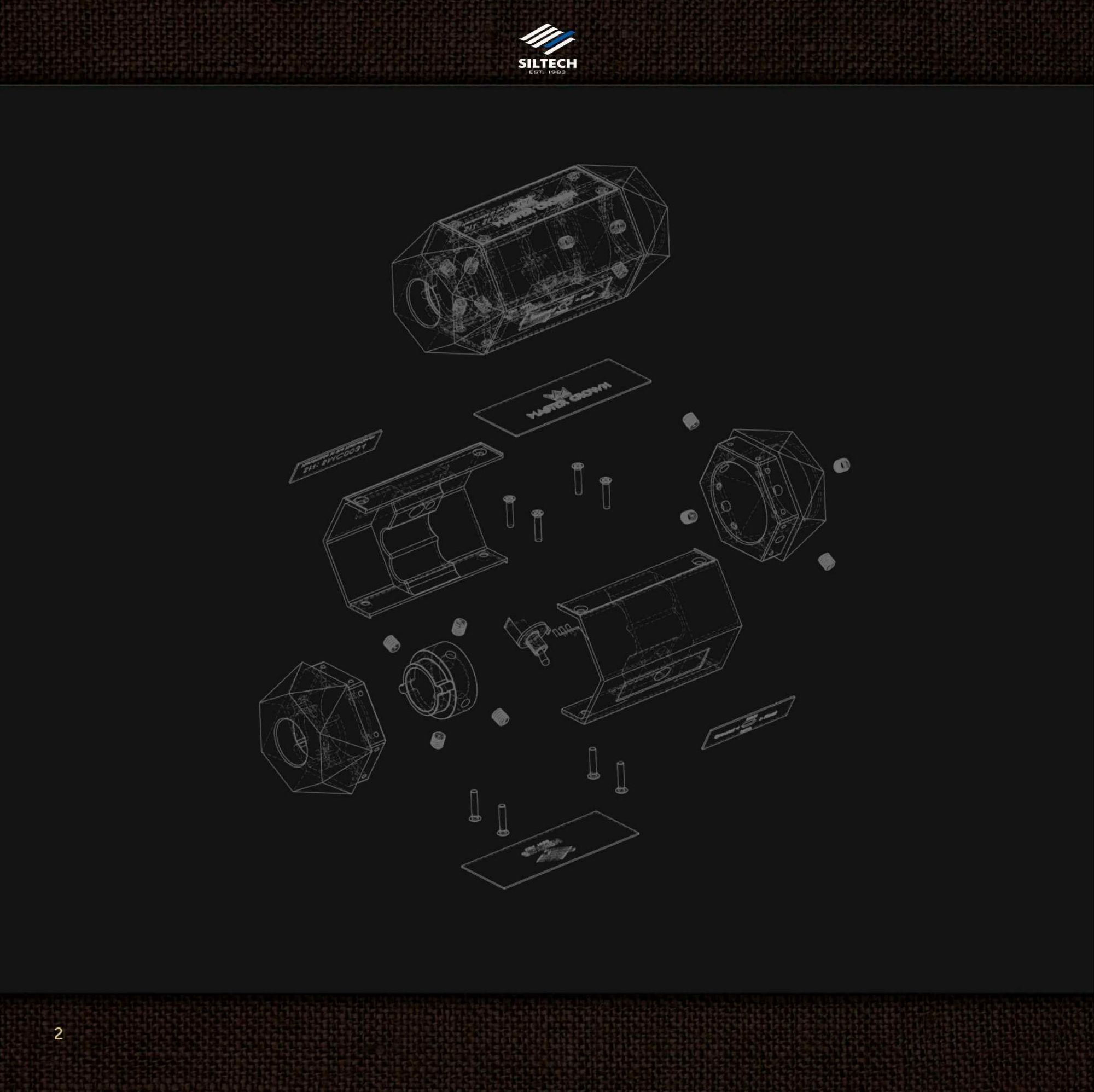
Just as important are the connectors, where the ultimate transfer of signal takes place. That is why all contacts are S10 monocrystal silver pins, gold-plated through a special direct plasma-plating process to further enhance sound quality. The clamping mechanism on the RCA connector is improved to avoid the risk of Eddy currents.
Lastly, Master Crown’s Superior shielding switch allowing you to choose between directional grounding or lifting the shield connection all together, depending on your system and its surroundings.
These landmark steps in the pursuit of ultimate system optimization have led to Master Crown Interconnect; the most silent, distortion-free cable in the world.
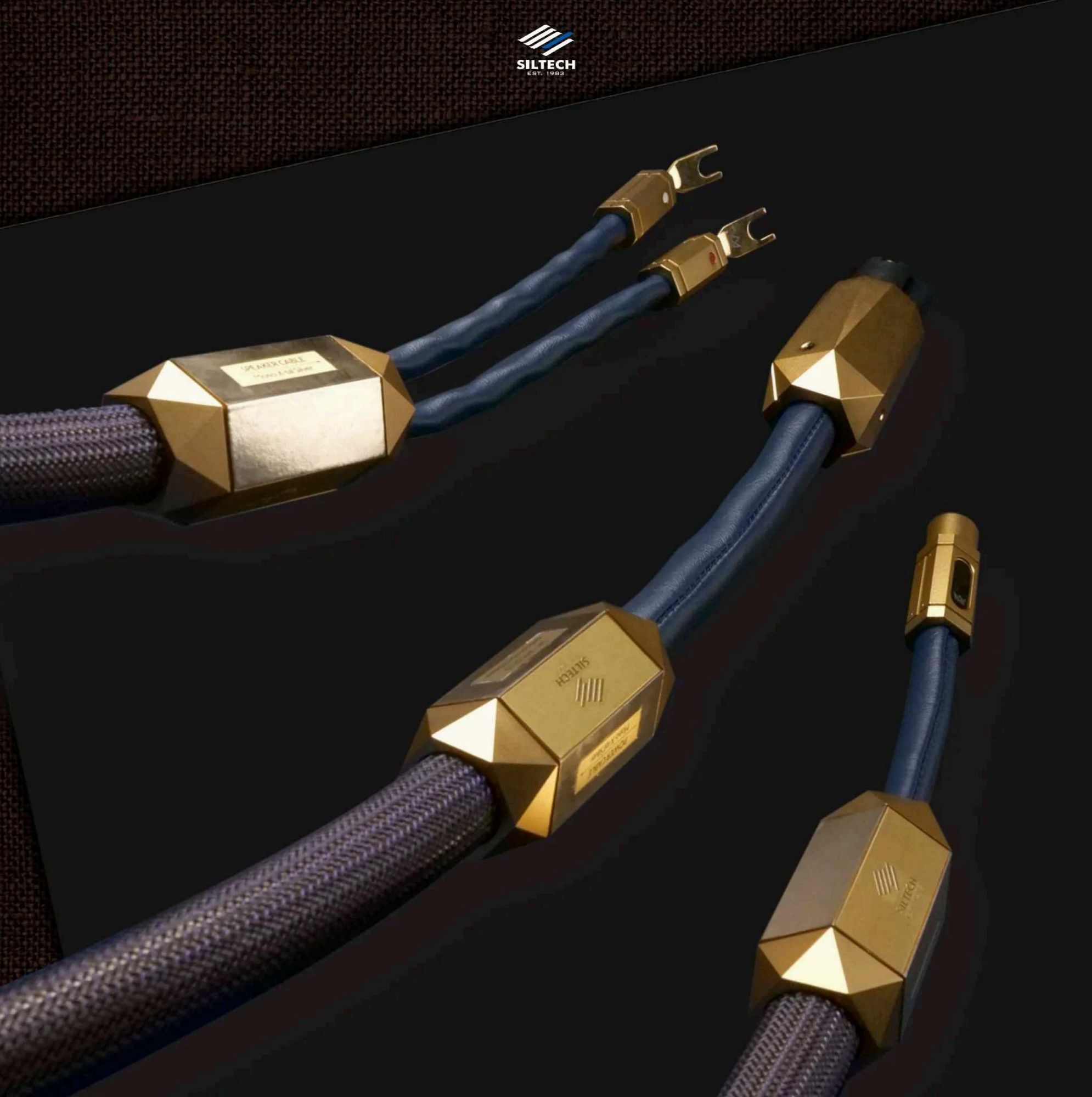
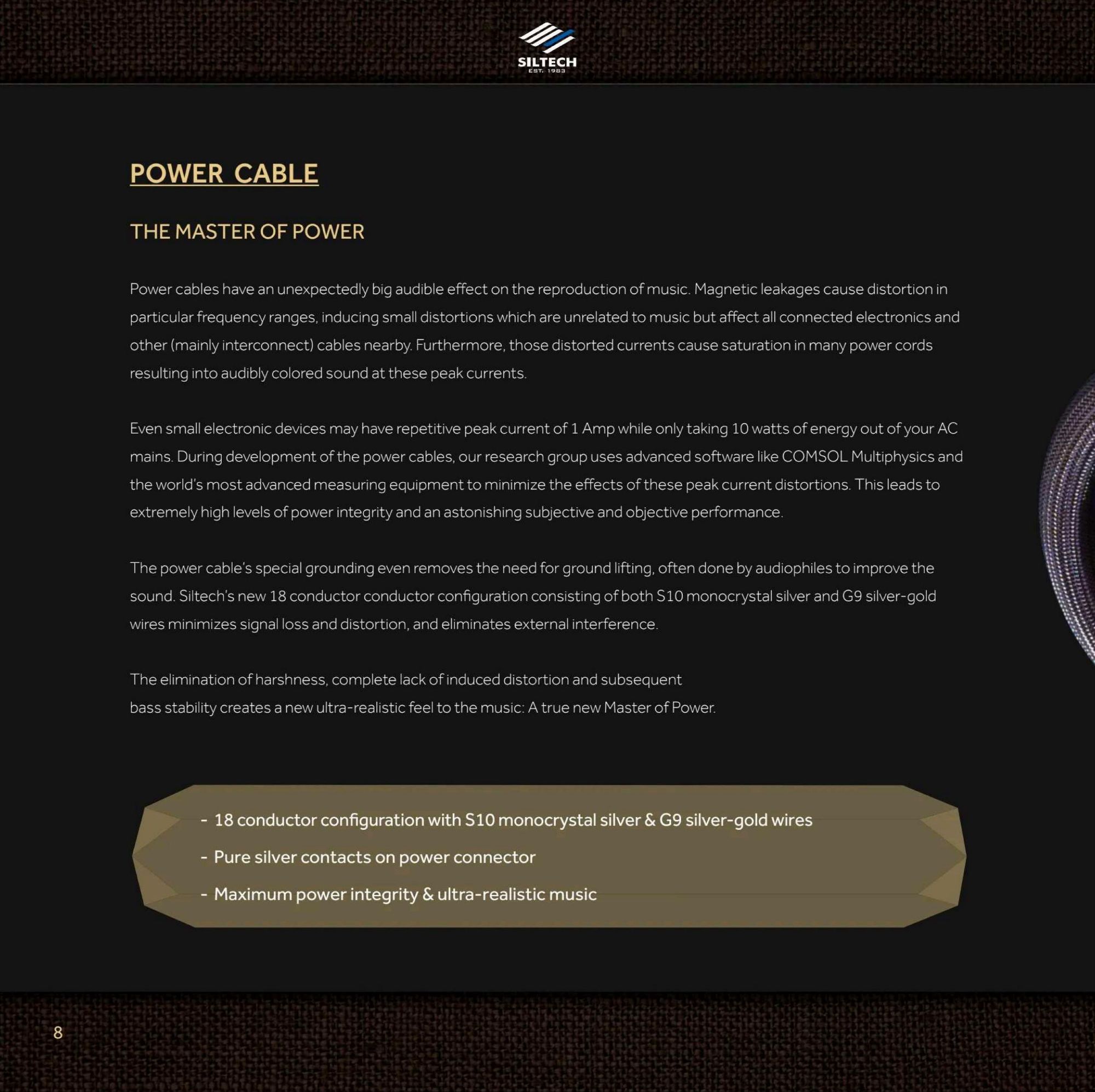
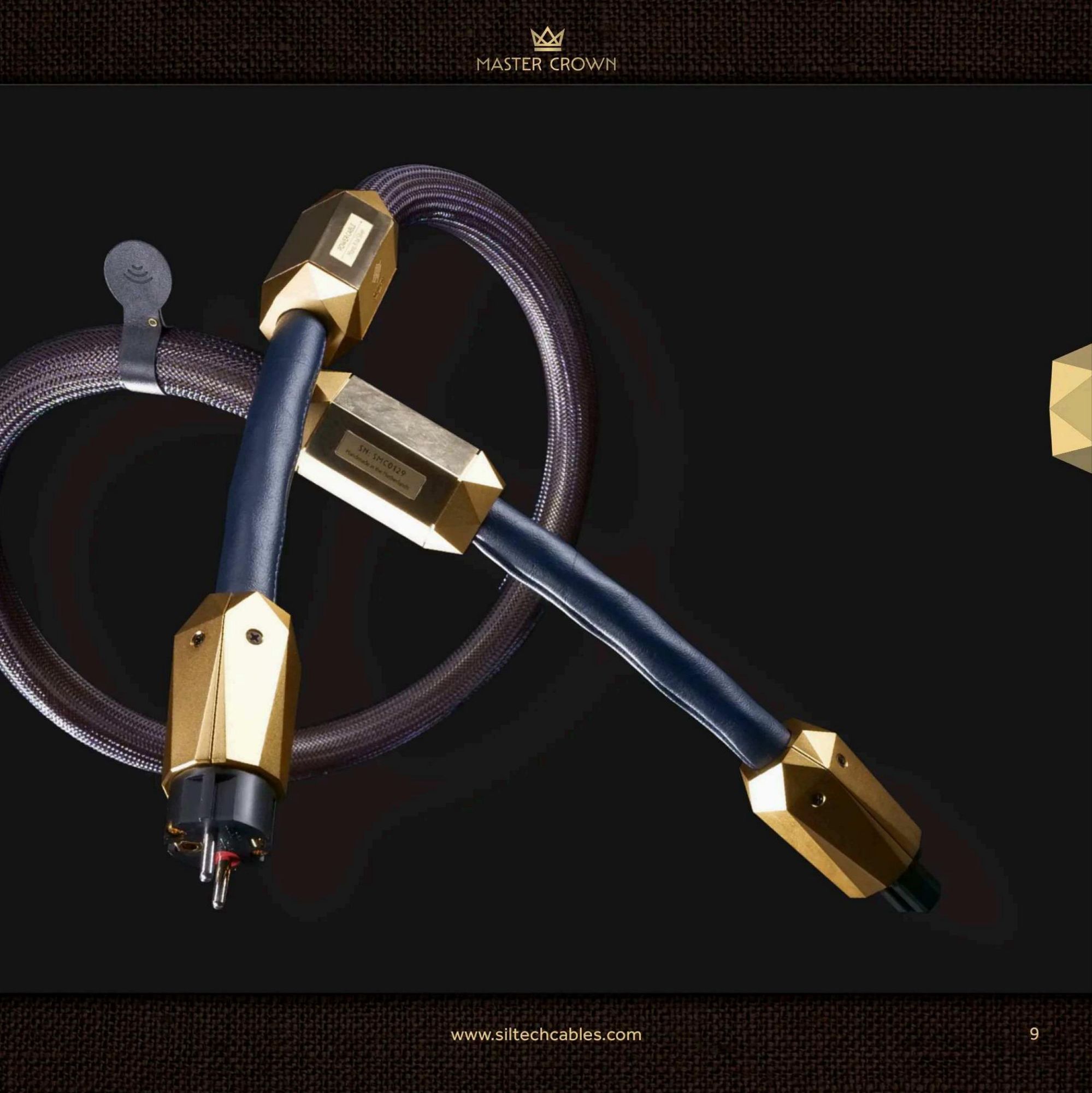
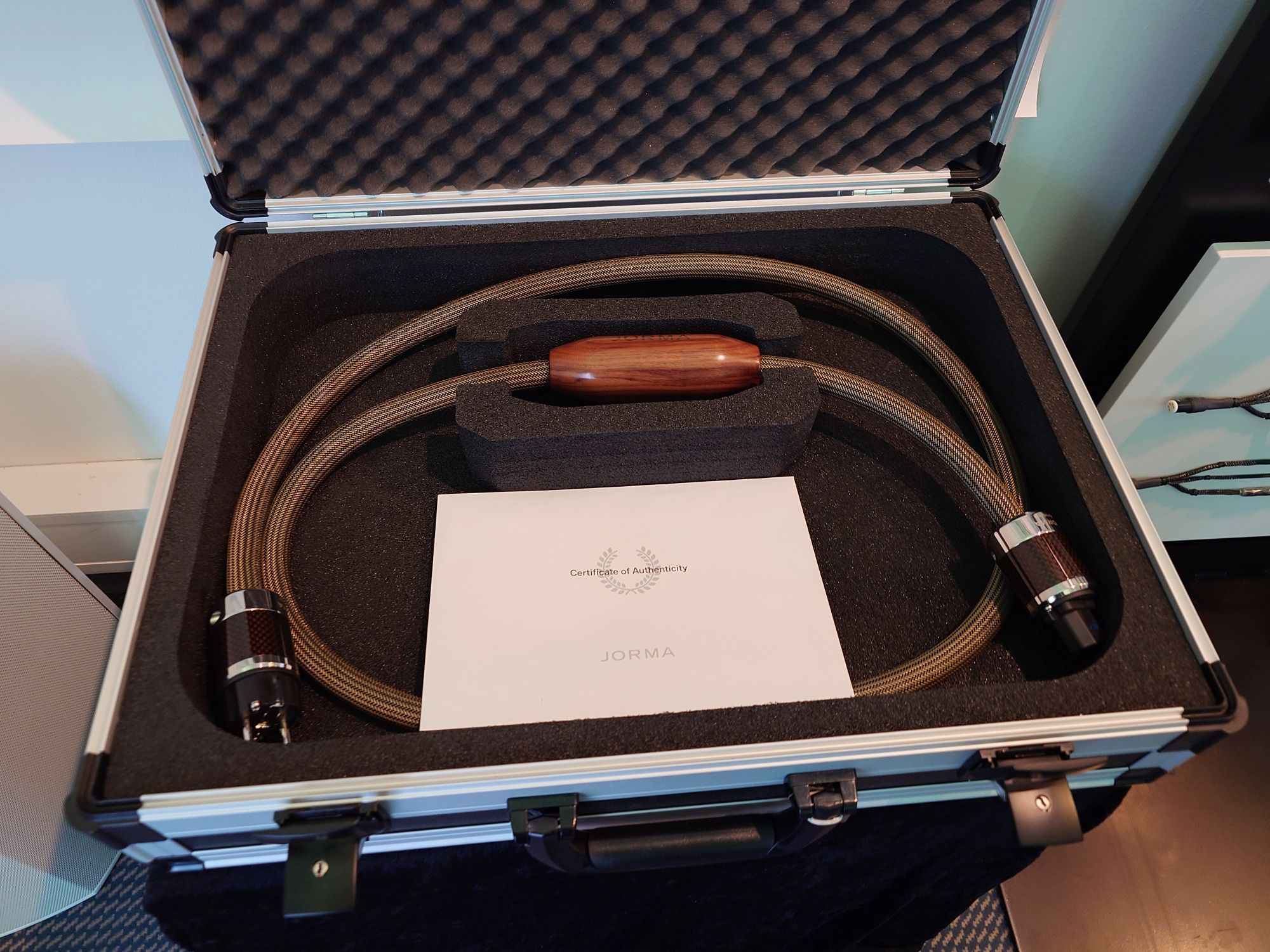
⋆ 18 conductor configuration with S10 monocrystal silver & G9 silver-gold wires ⋆ Pure silver contacts on power connector ⋆ Maximum power integrity & ultra-realistic music
THE MASTER OF POWER
Power cables have an unexpectedly big audible effect on the reproduction of music. Magnetic leakages cause distortion in particular frequency ranges, inducing small distortions which are unrelated to music but affect all connected electronics and other (mainly interconnect) cables nearby. Furthermore, those distorted currents cause saturation in many power cords resulting into audibly colored sound at these peak currents.
Even small electronic devices may have repetitive peak current of 1 Amp while only taking 10 watts of energy out of your AC mains. During development of the power cables, our research group uses advanced software like COMSOL Multiphysics and the world’s most advanced measuring equipment to minimize the effects of these peak current distortions. This leads to extremely high levels of power integrity and an astonishing subjective and objective performance.
The power cable’s special grounding even removes the need for ground lifting, often done by audiophiles to improve the sound. Siltech’s new 18 conductor conductor configuration consisting of both S10 monocrystal silver and G9 silver-gold wires minimizes signal loss and distortion, and eliminates external interference.
The elimination of harshness, complete lack of induced distortion and subsequent
Bass stability creates a new ultra-realistic feel to the music: A true new Master of Power.
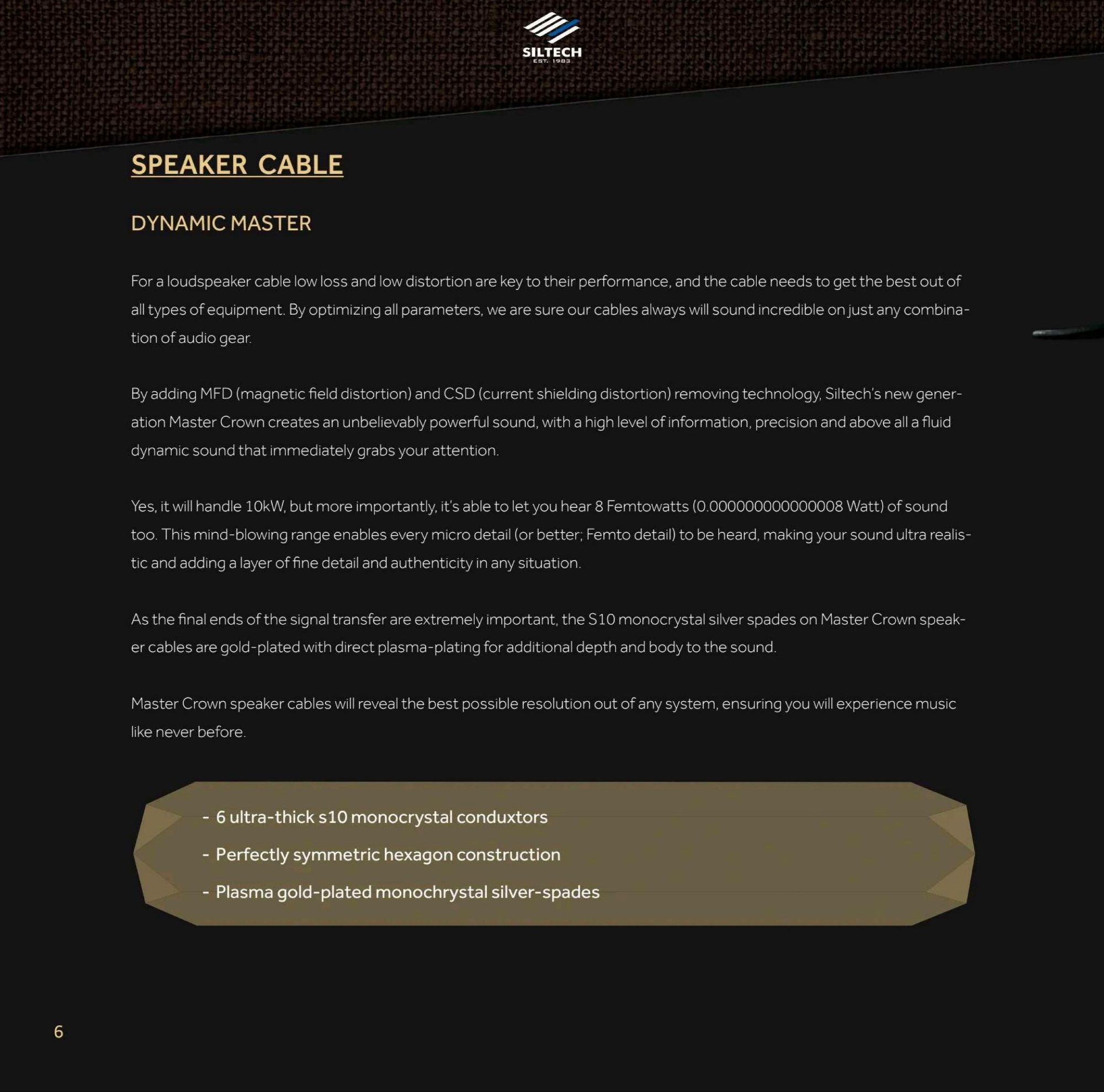
For a loudspeaker cable low loss and low distortion are key to their performance, and the cable needs to get the best out of all types of equipment. By optimizing all parameters, we are sure our cables always will sound incredible on just any combination of audio gear.
By adding MFD (magnetic field distortion) and CSD (current shielding distortion) removing technology, Siltech’s new generation Master Crown creates an unbelievably powerful sound, with a high level of information, precision and above all a fluid dynamic sound that immediately grabs your attention.
Yes, it will handle 10kW, but more importantly, it’s able to let you hear 8 Femtowatts (0.000000000000008 Watt) of sound too. This mind-blowing range enables every micro detail (or better; Femto detail) to be heard, making your sound ultra realistic and adding a layer of fine detail and authenticity in any situation.
As the final ends of the signal transfer are extremely important, the S10 monocrystal silver spades on Master Crown speaker cables are gold-plated with direct plasma-plating for additional depth and body to the sound.
Master Crown speaker cables will reveal the best possible resolution out of any system, ensuring you will experience music like never before.
leading edge with a technology that will become the standard in the next few years as manufacturers face more stringent power efficiency requirements mandated by government regulators.