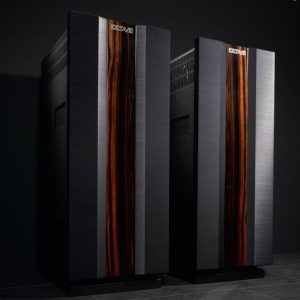
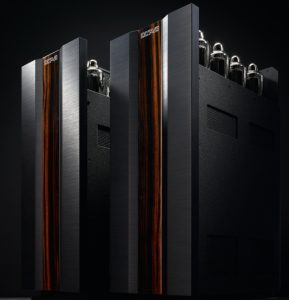
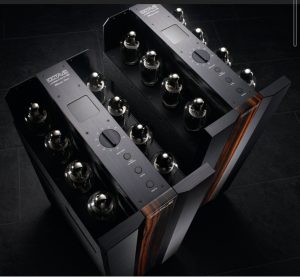
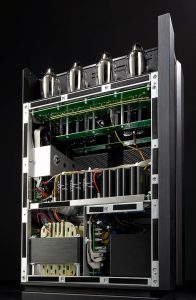
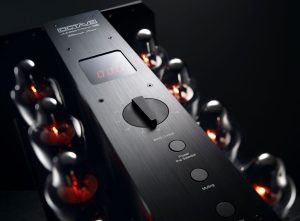
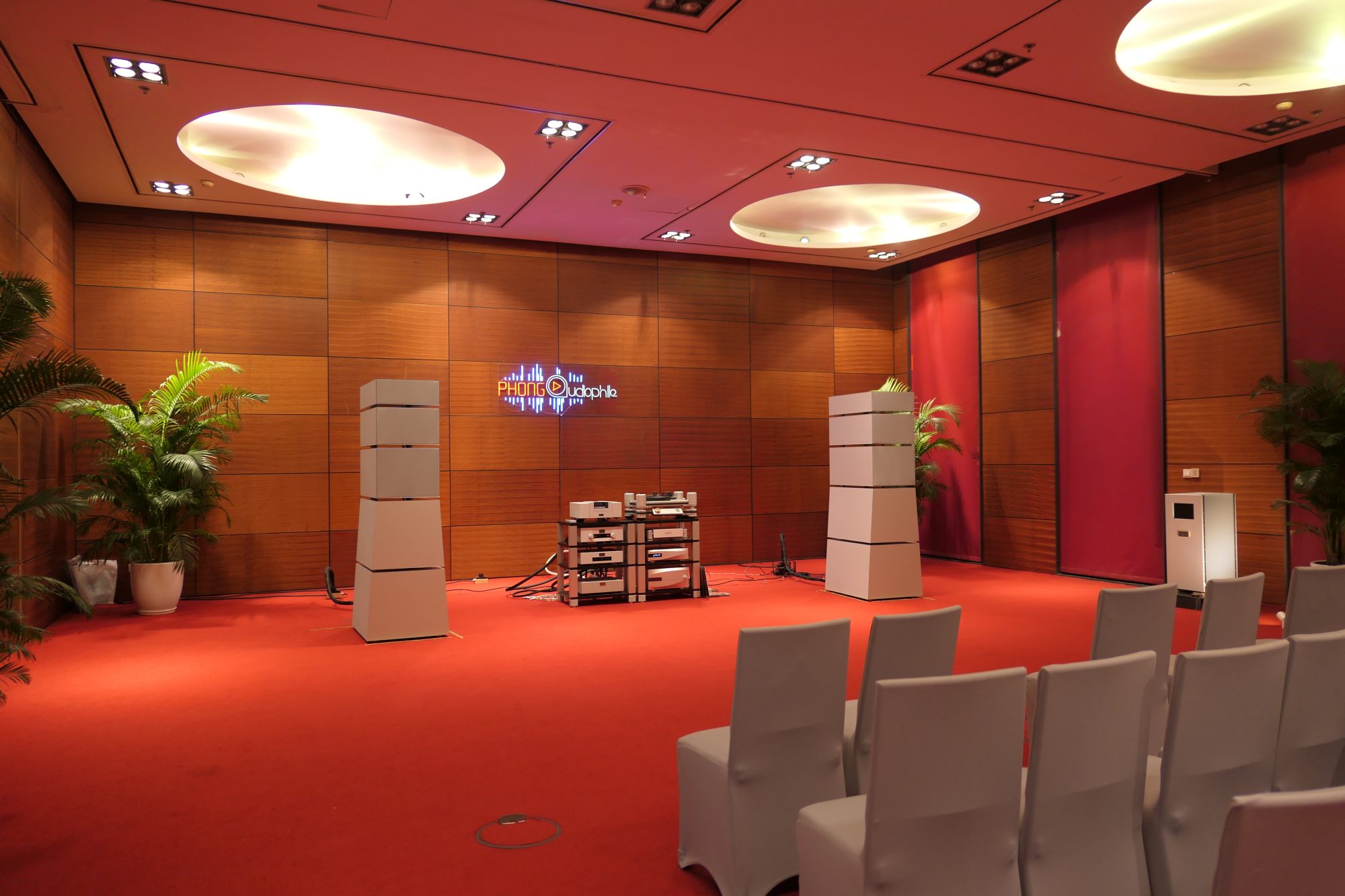
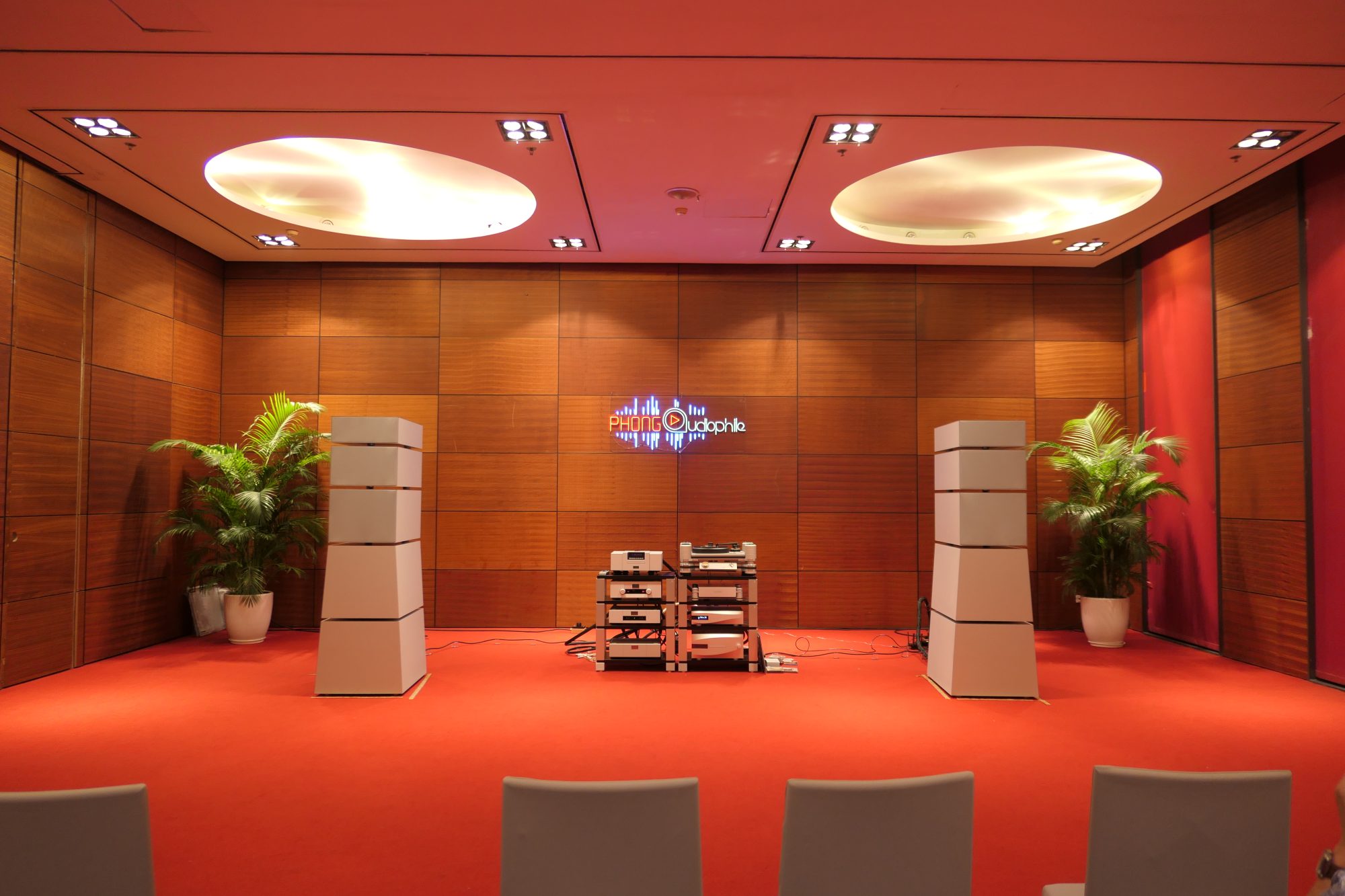
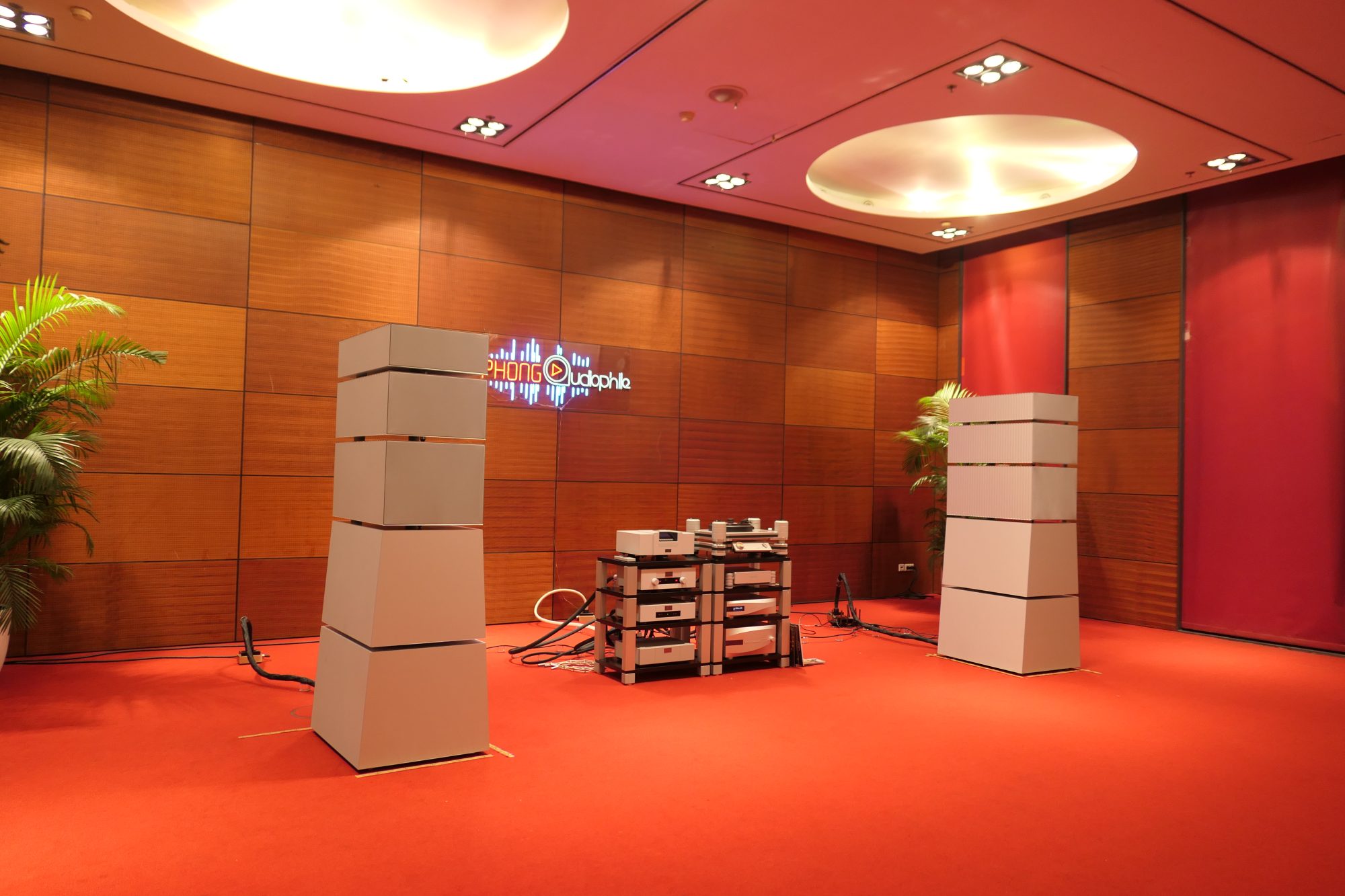
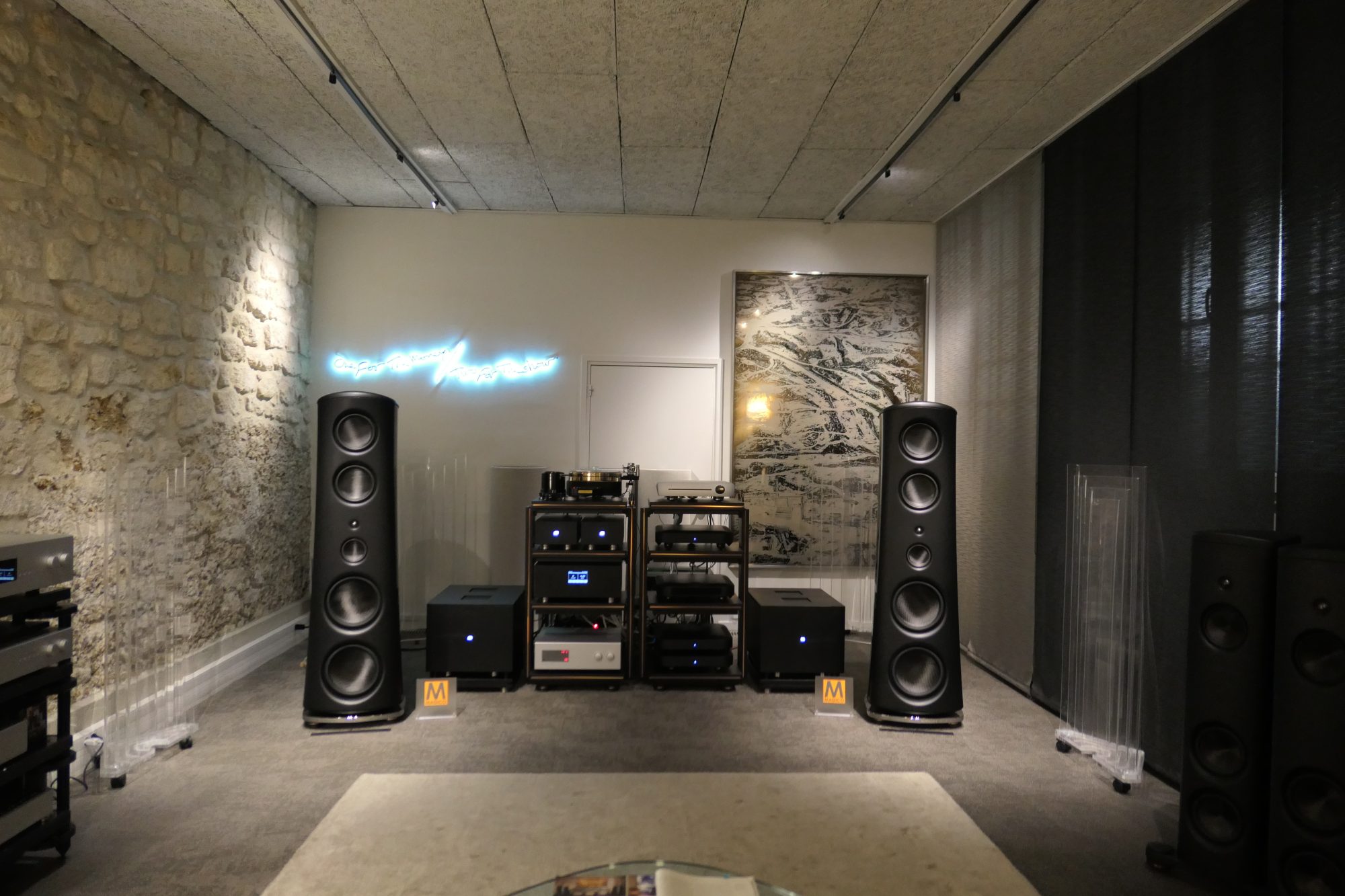
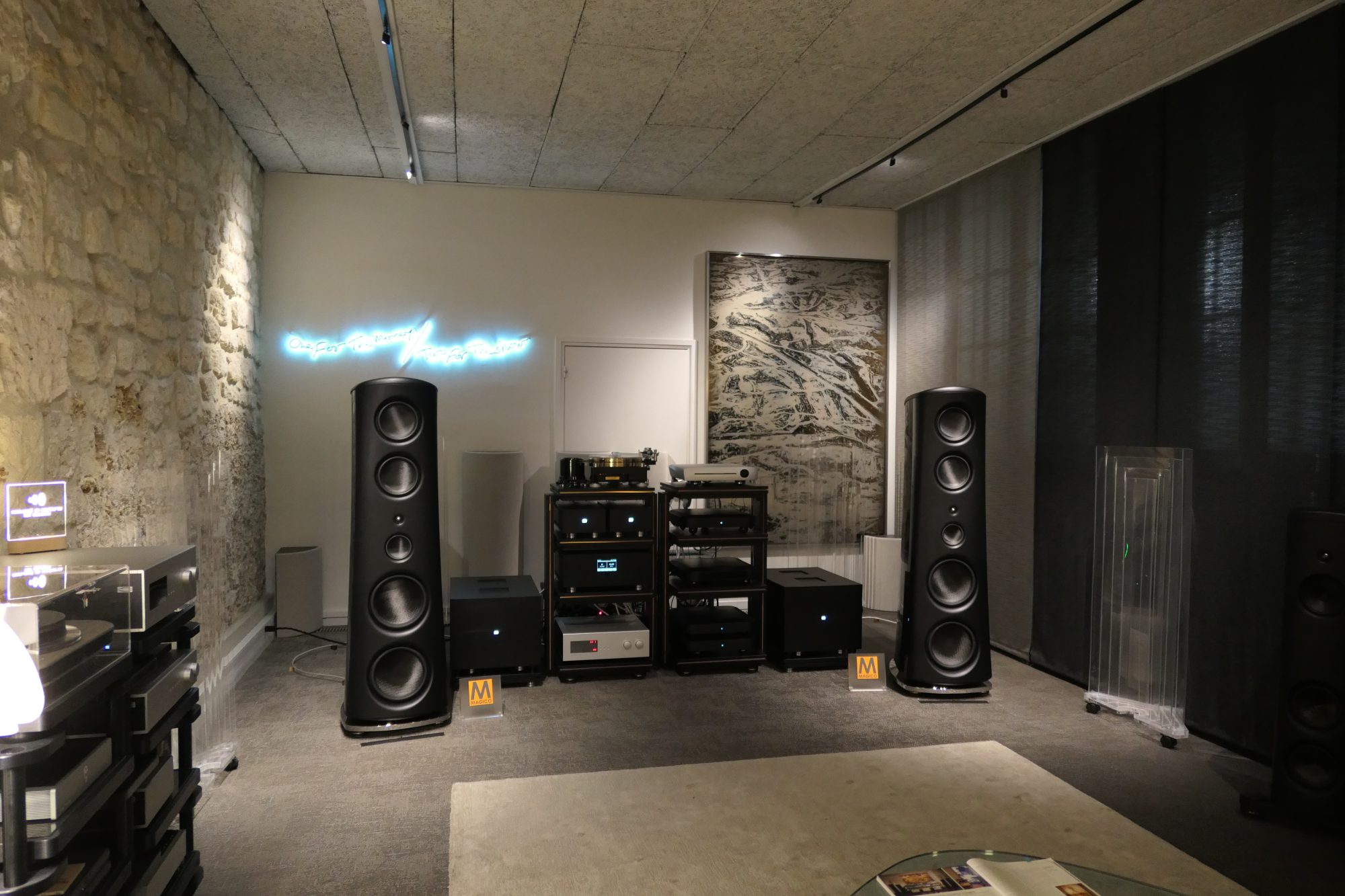
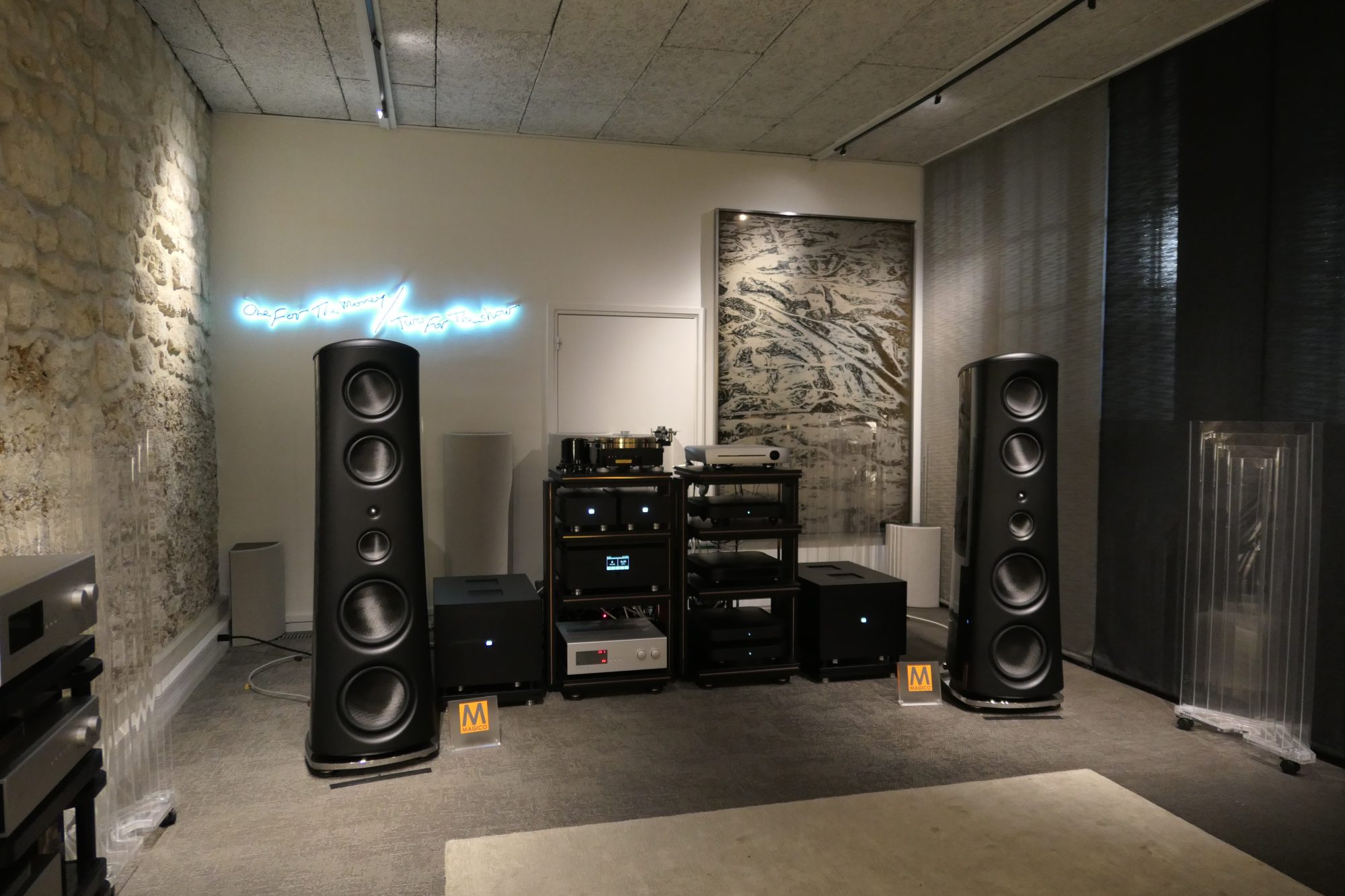
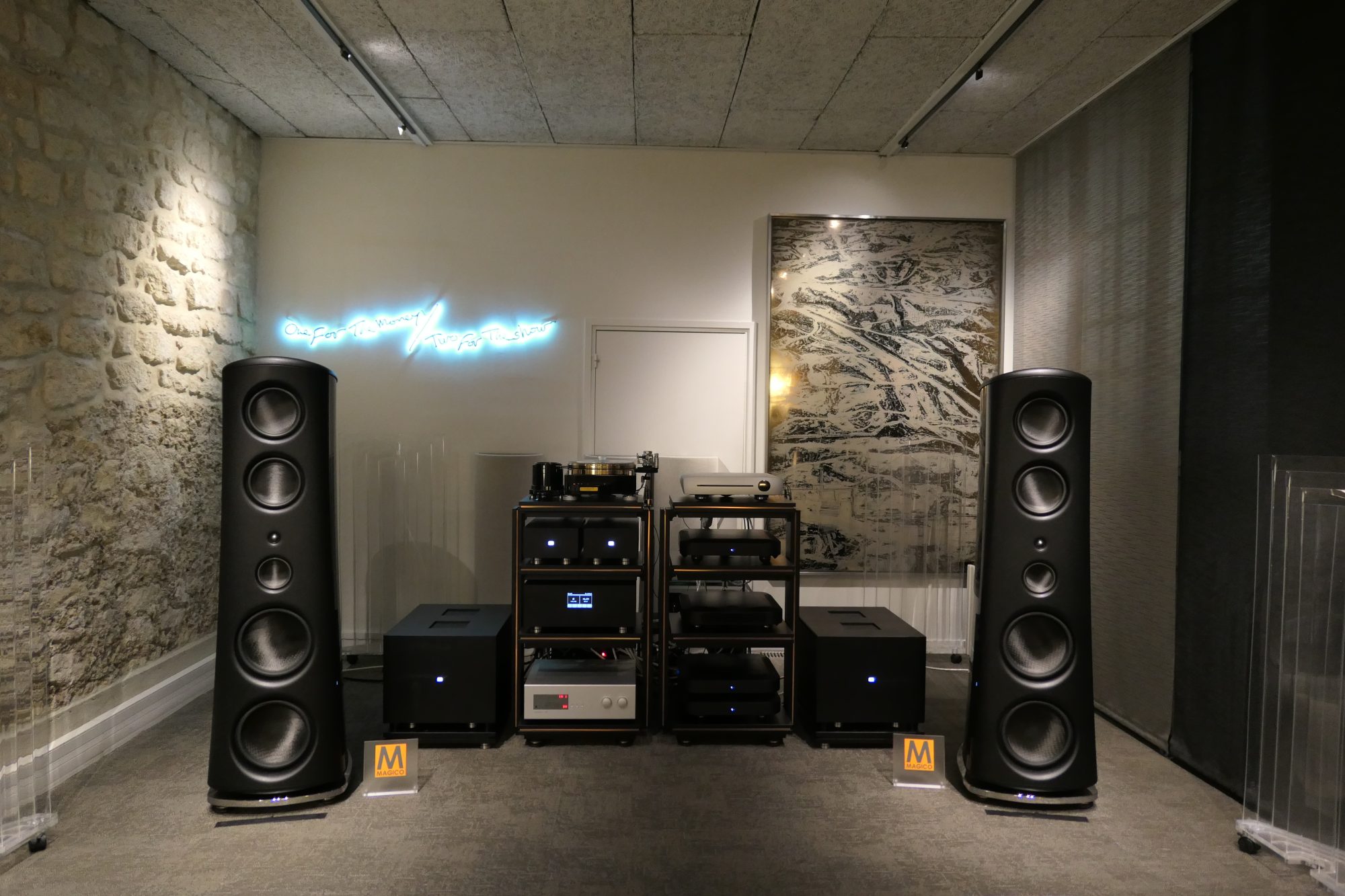
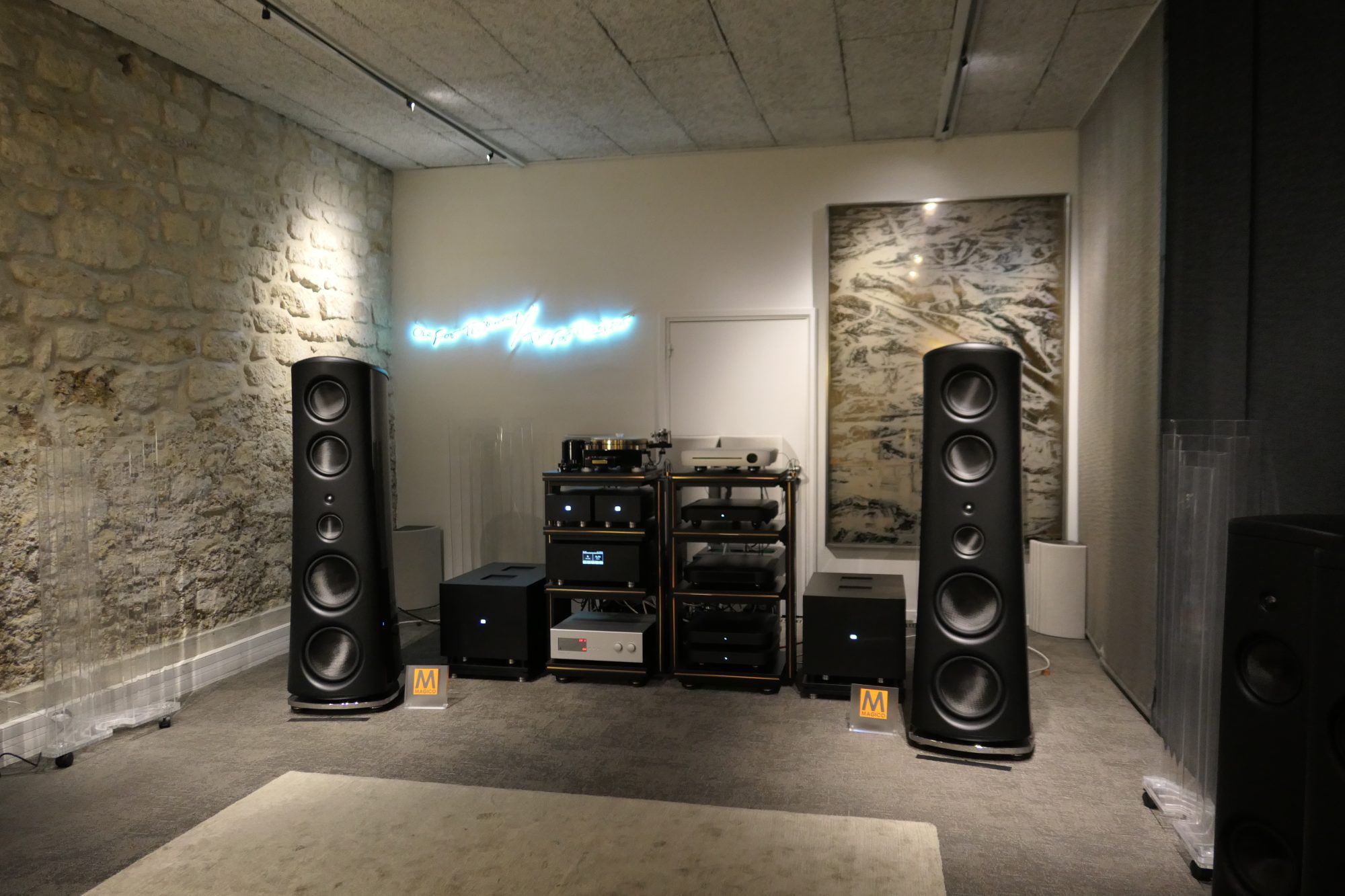
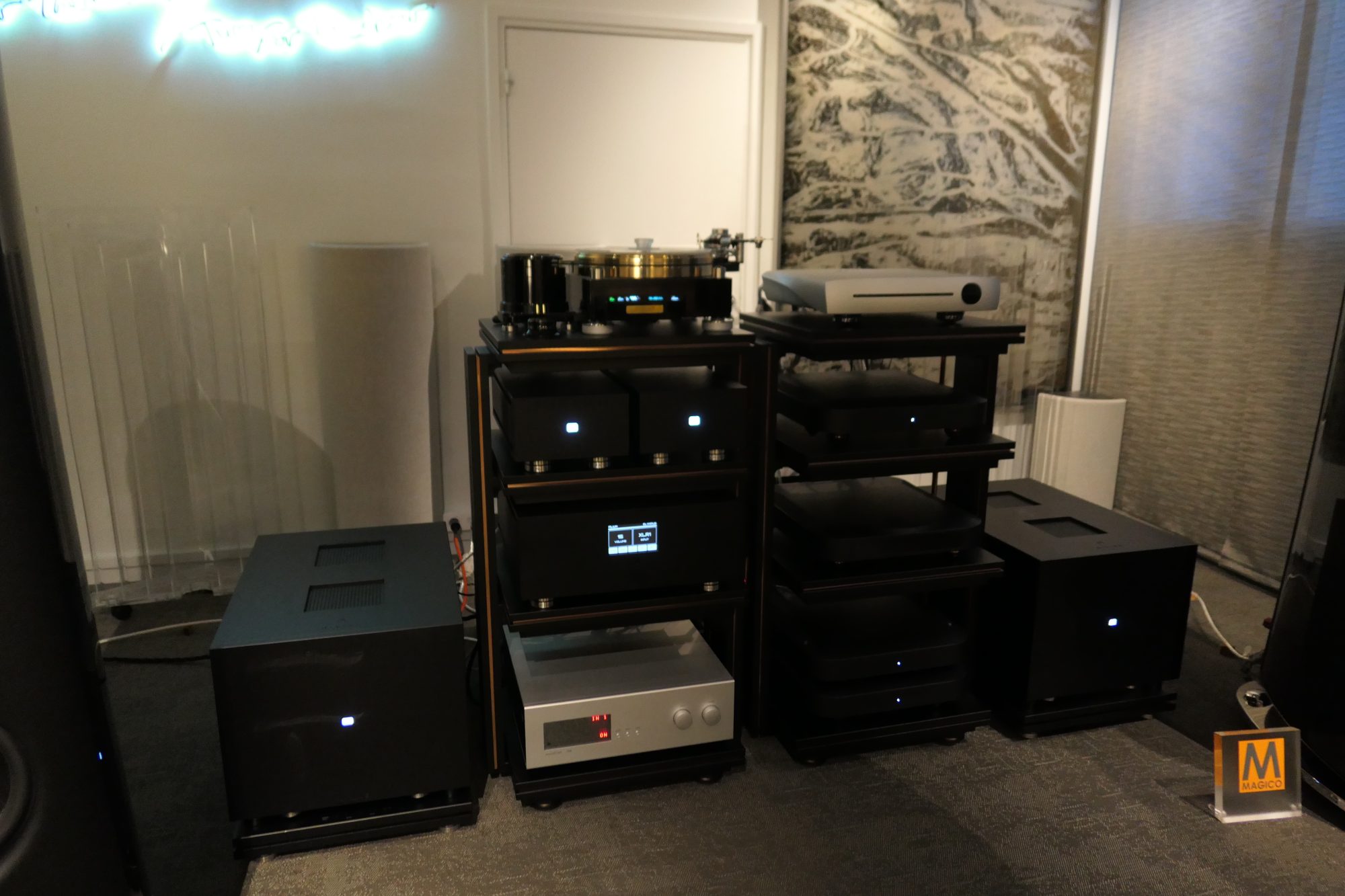
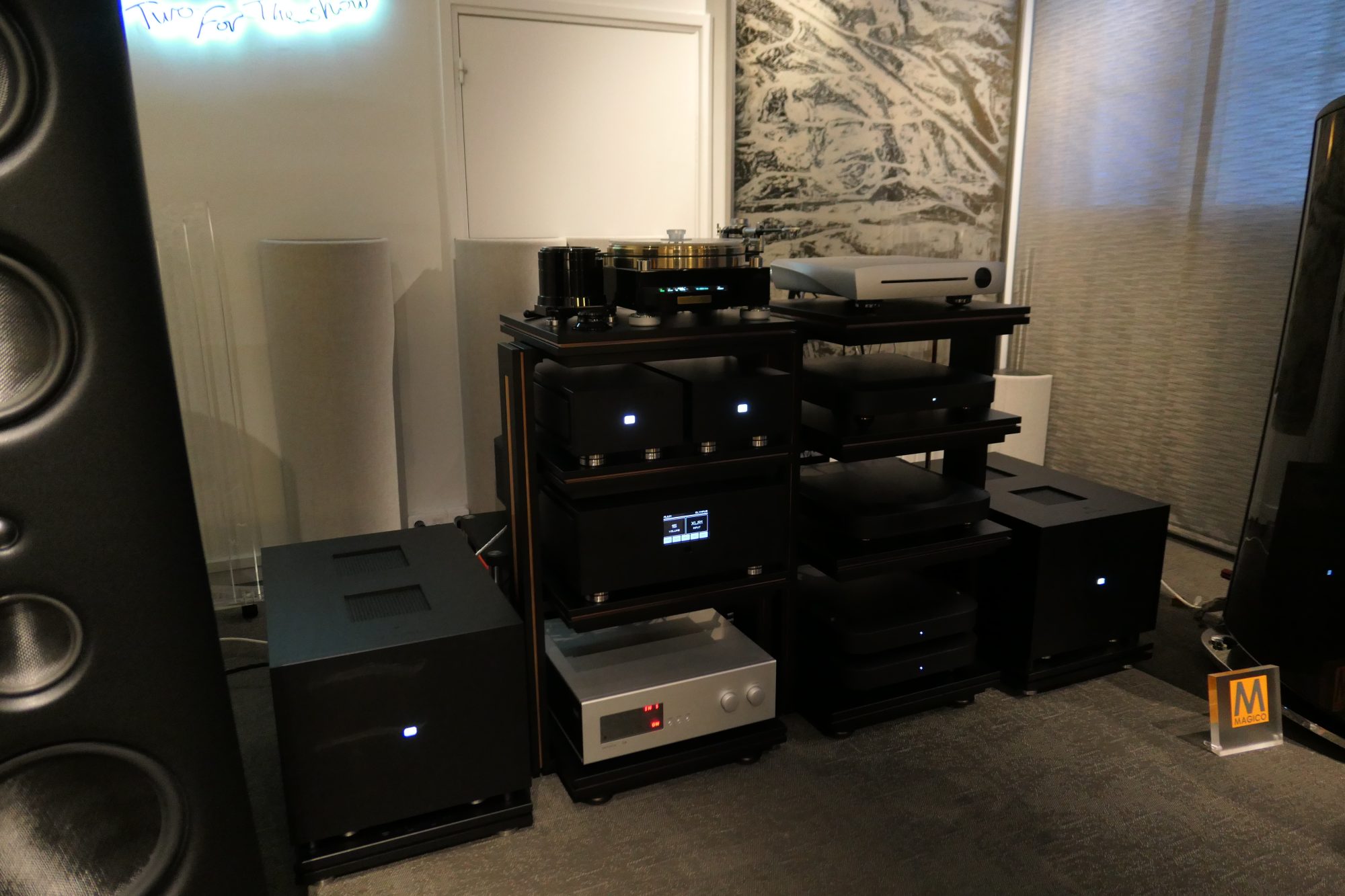
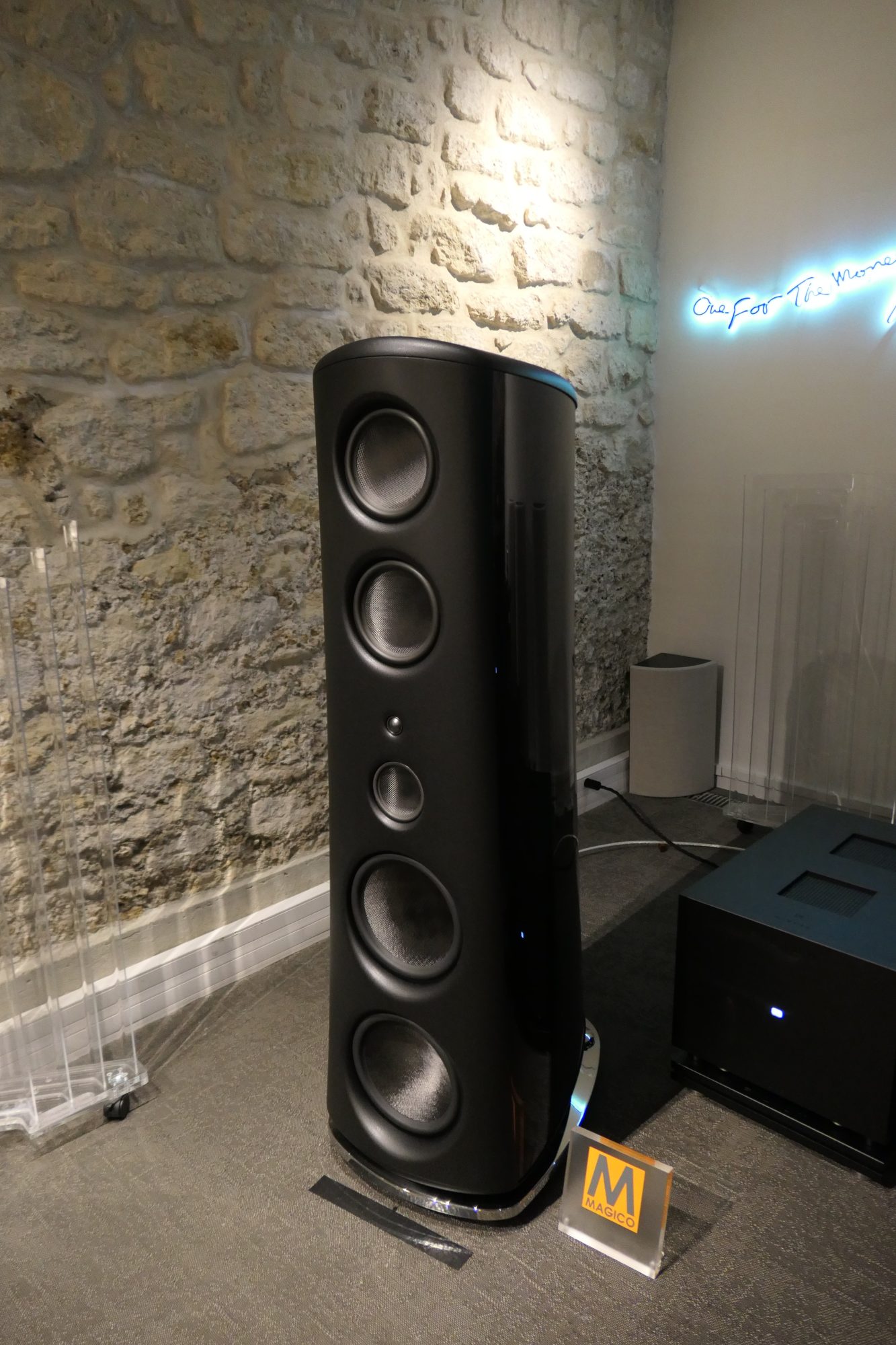
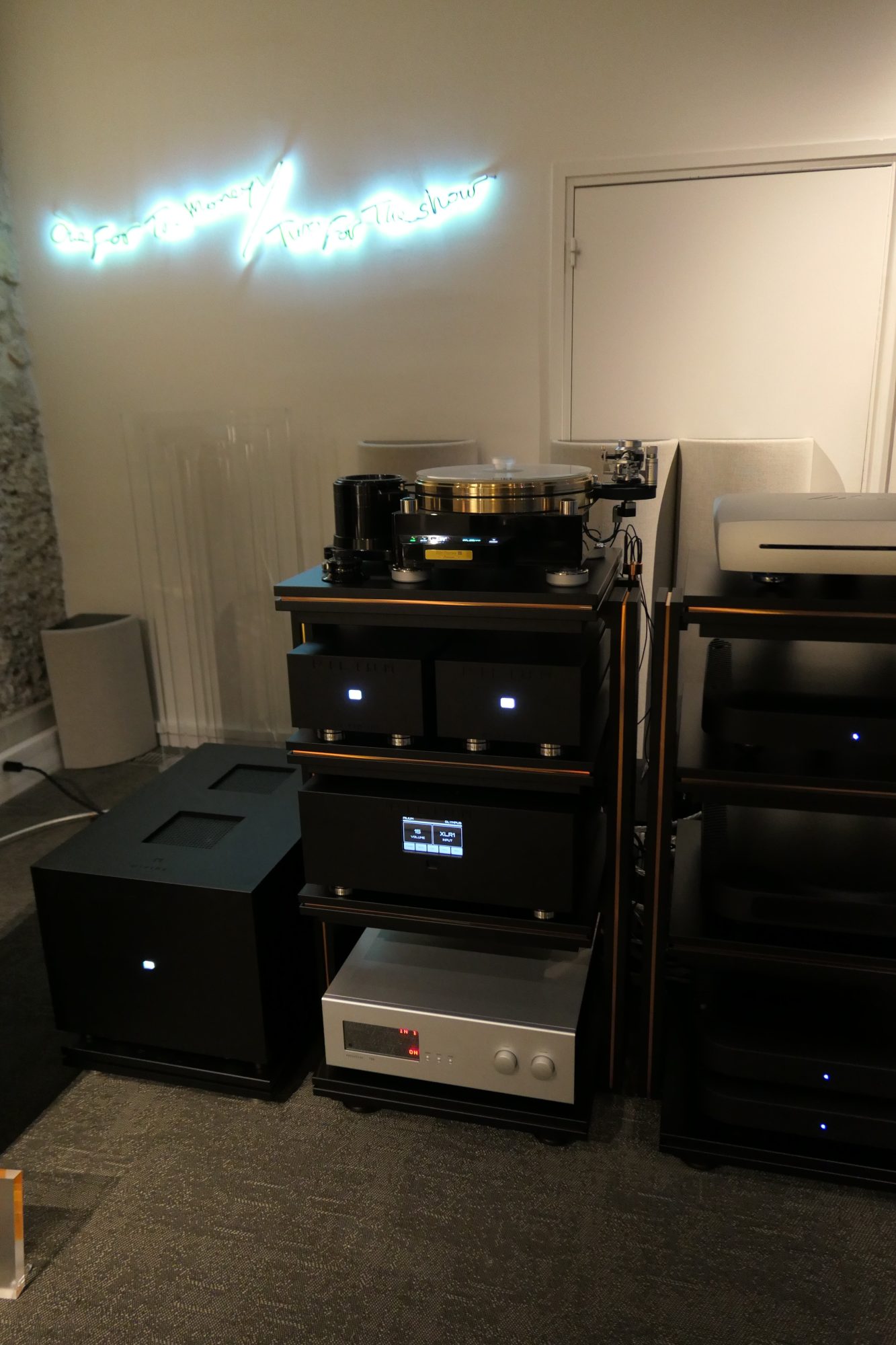
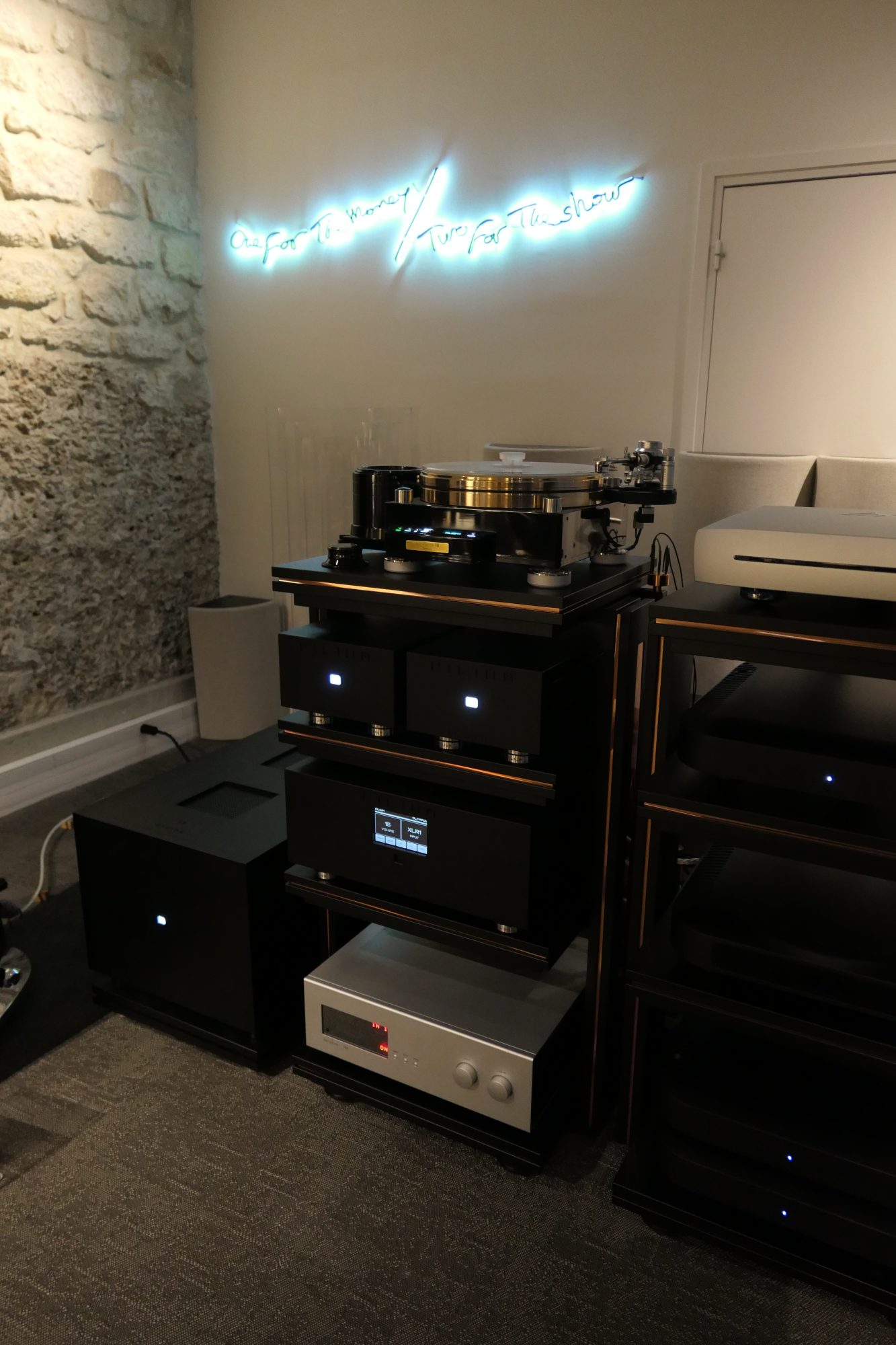
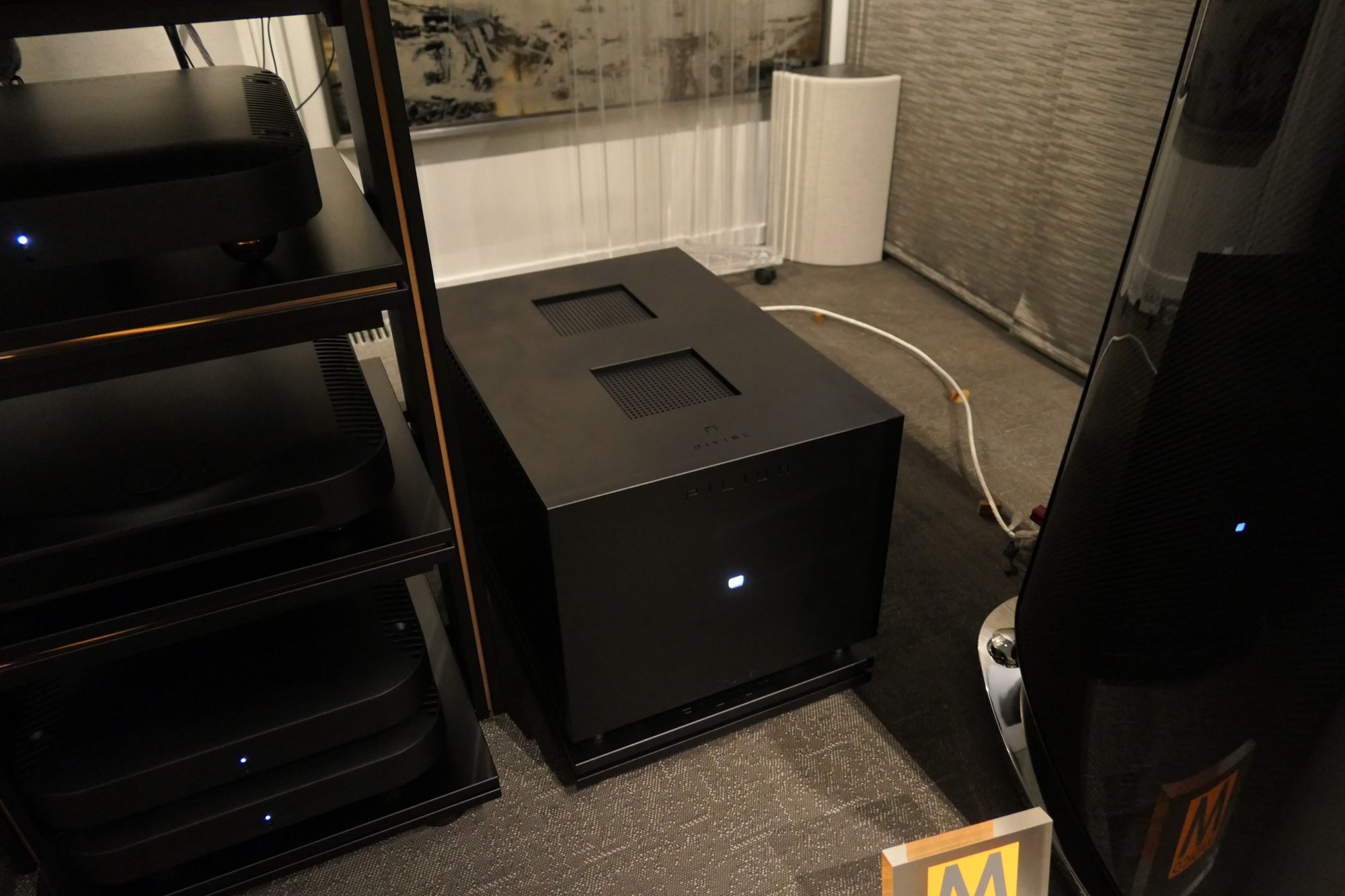
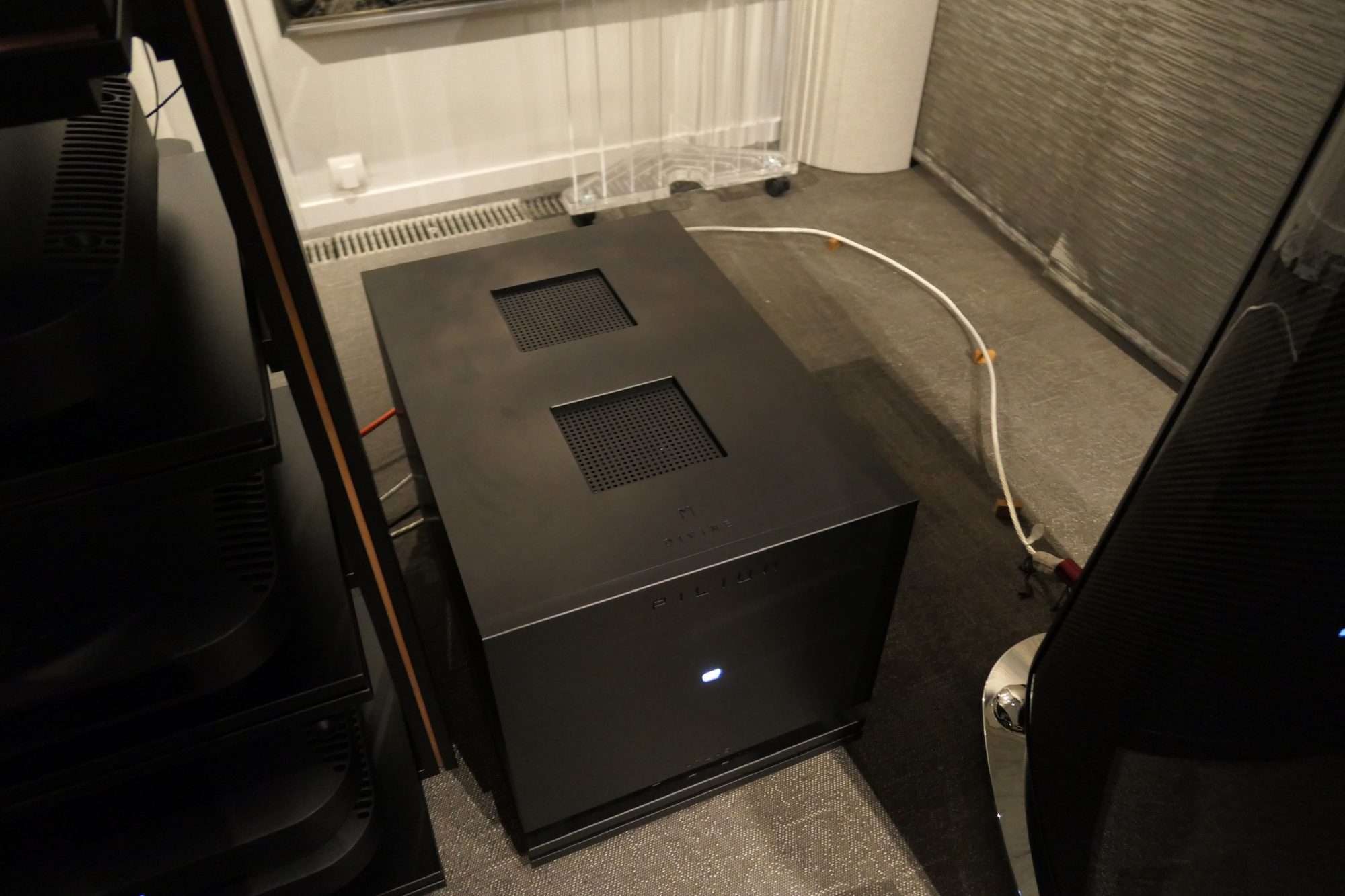
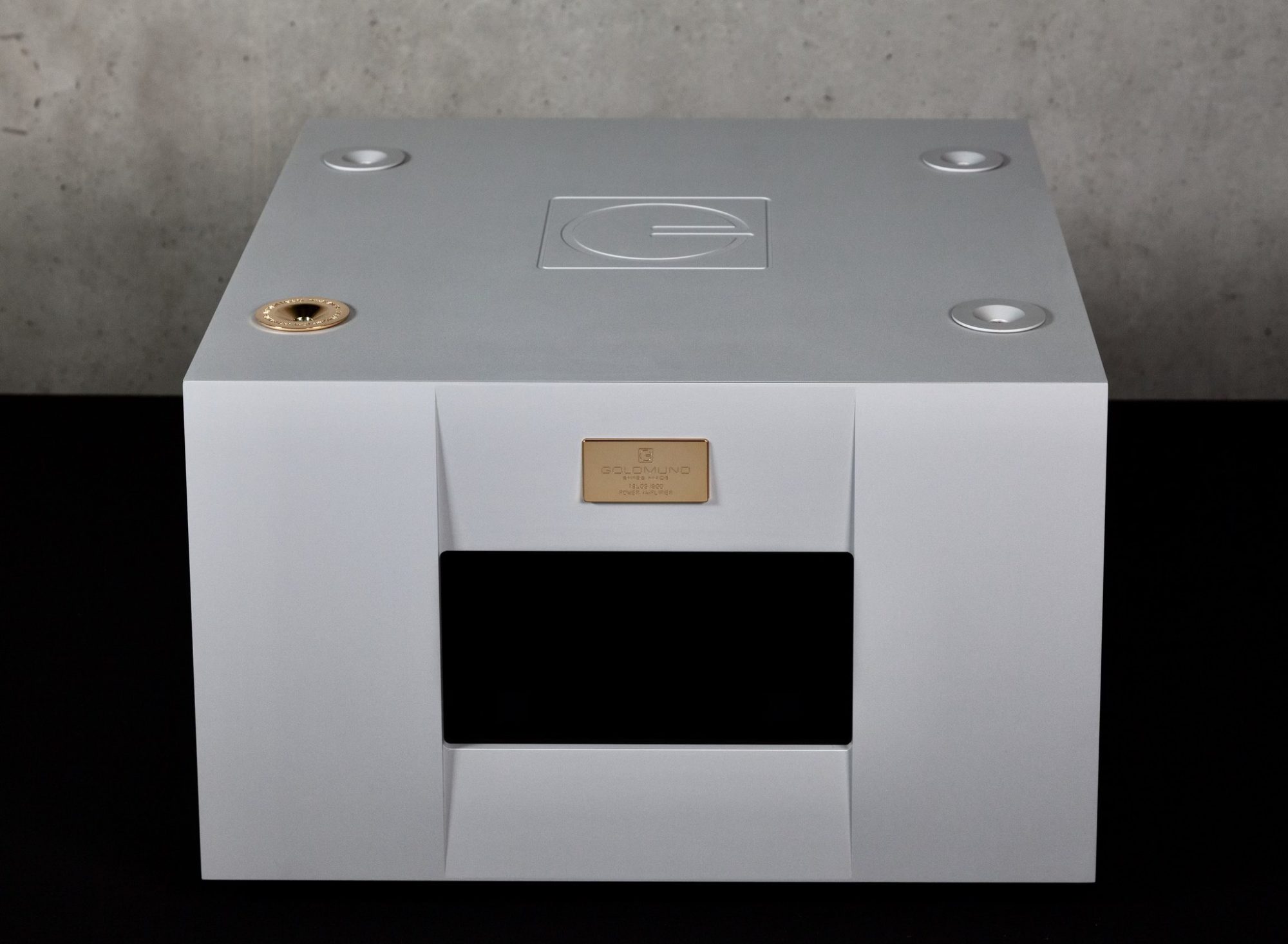
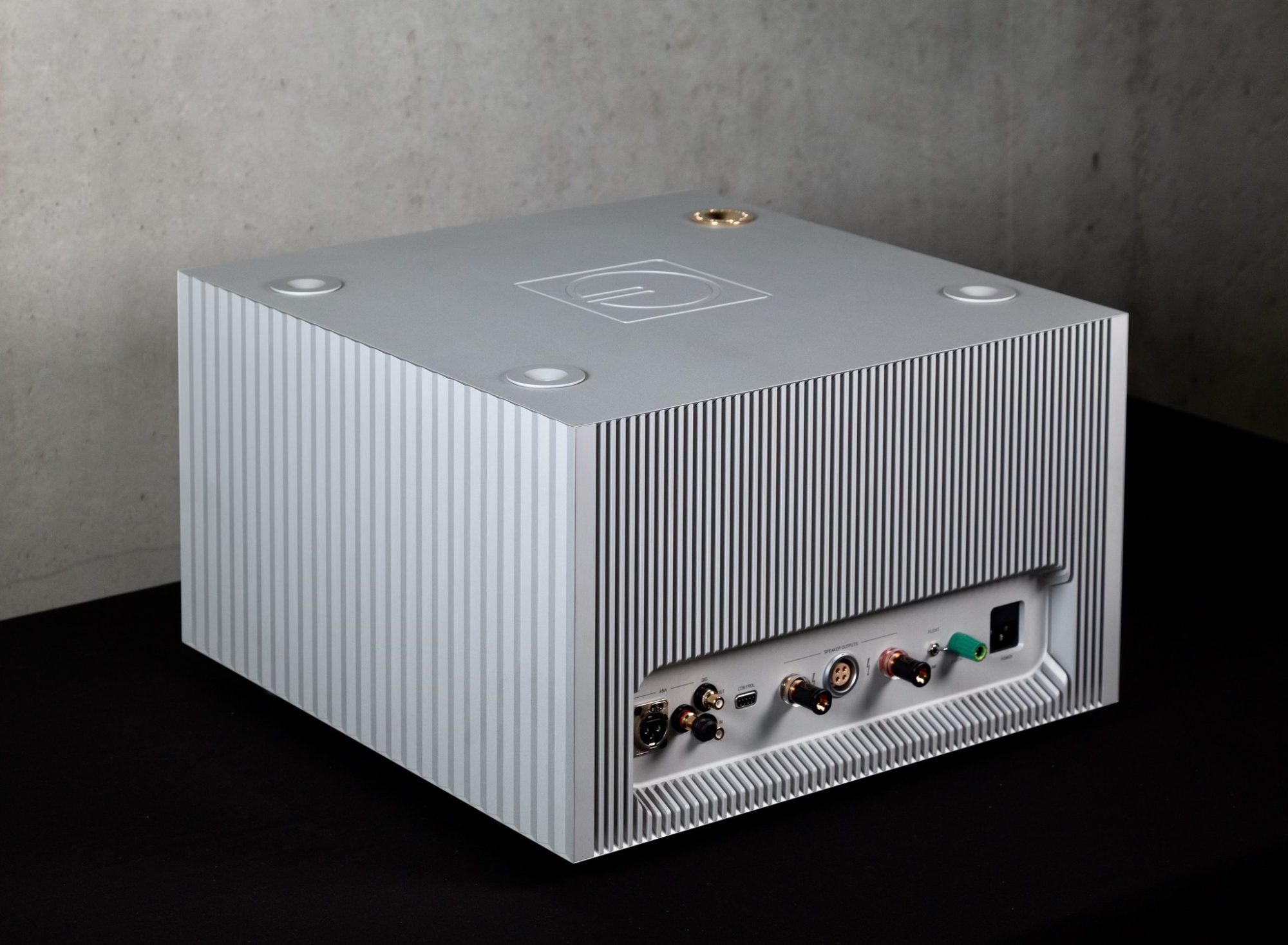
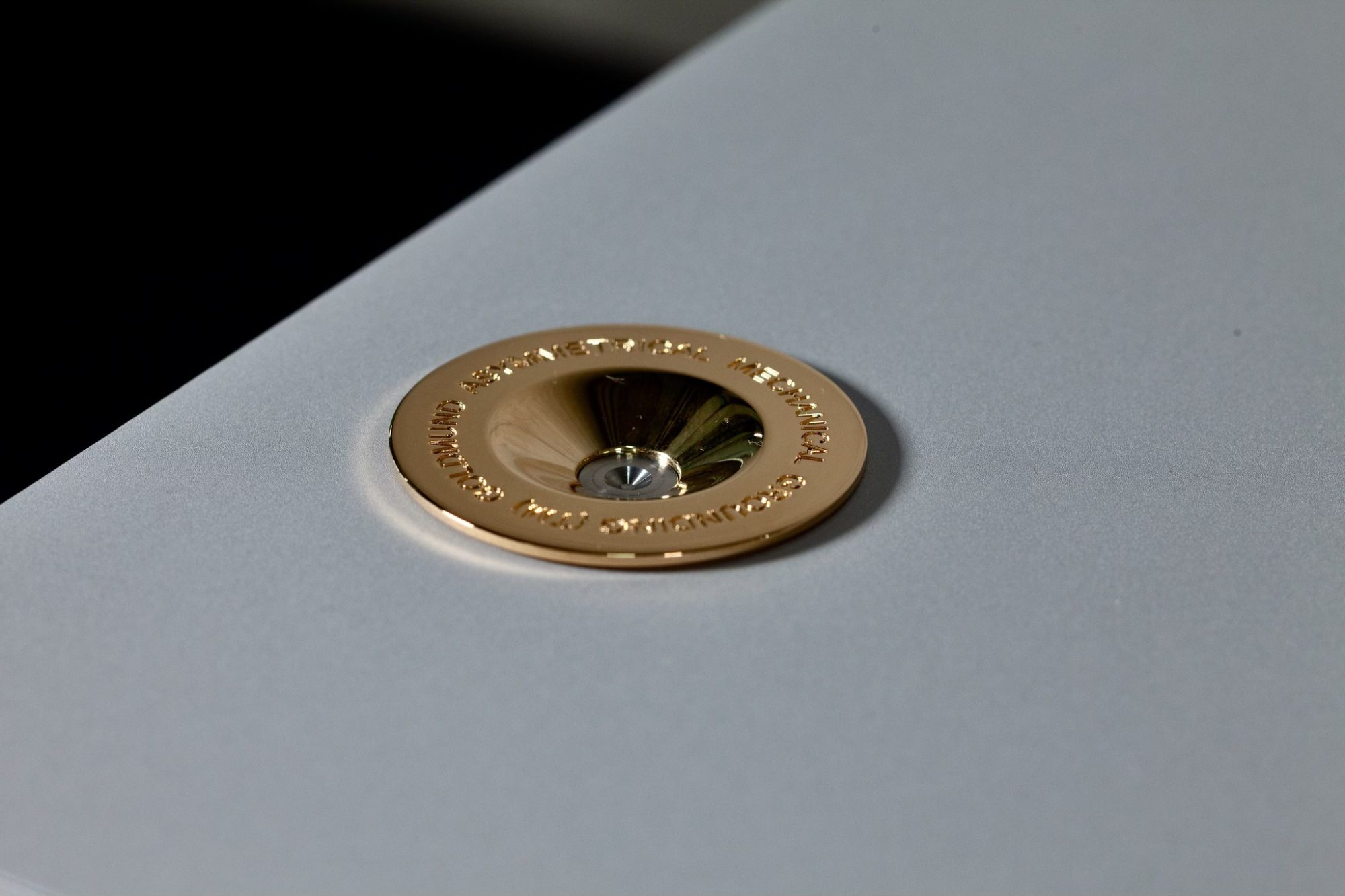
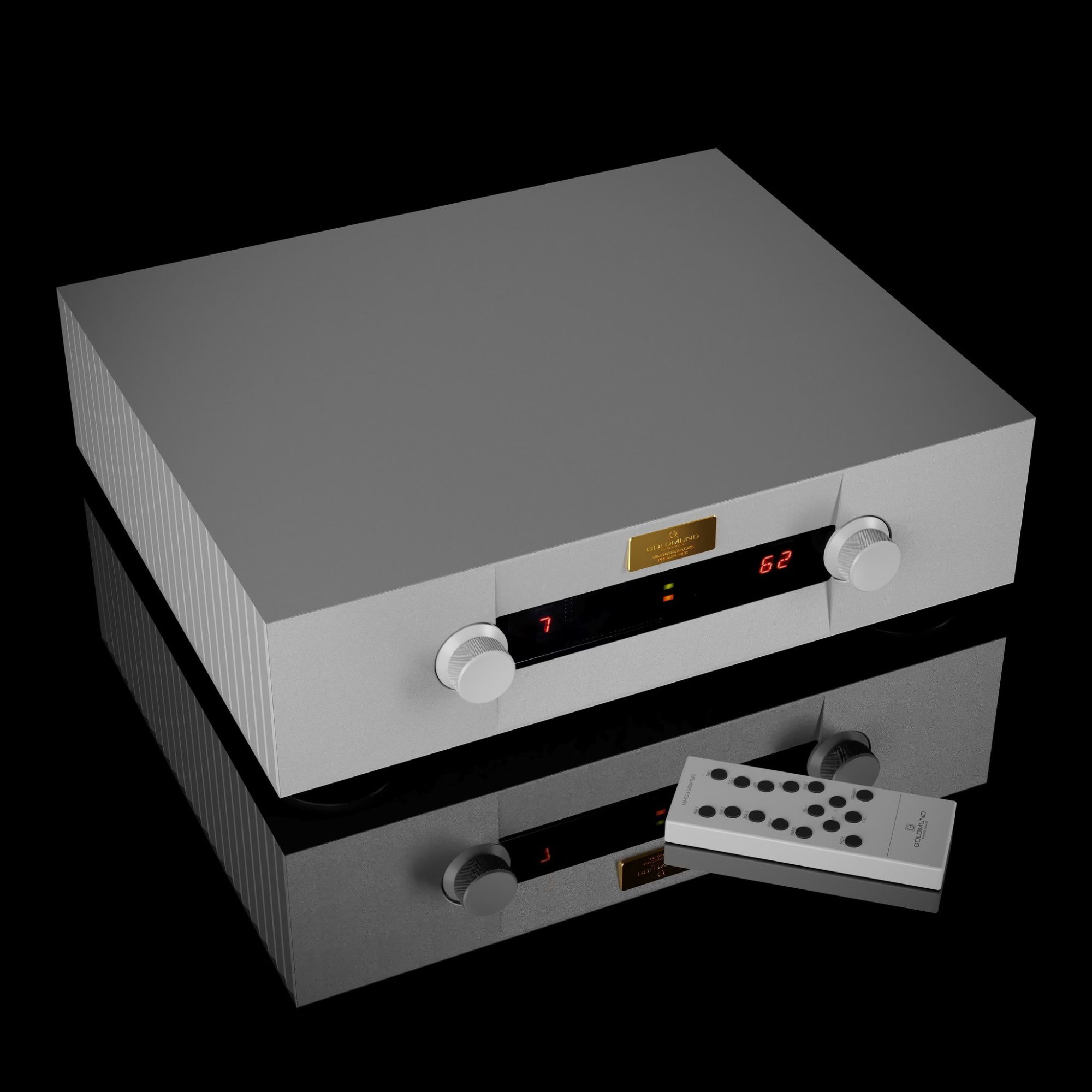
It has the most sophisticated and uncompromising amplifier design in our amplifier hierarchy and sets a new benchmark for state-of-the-art power amplifiers. It features a number of detailed improvements including the use of eight KT 170 tubes with 440 W per channel. The basic idea of the Ultimate series is the extreme expansion of the power bandwidth and the bass range with our highly specialized (newly developed) and oversized high performance output transformer.
The Jubilee Mono Ultimate thus achieves the beauty of playback as it should be: intense, emotional and incomparable
DESCRIPTION
The Jubilee Mono Ultimate: not an evolution, a revolution.
Octave is proud to introduce the revolutionary successor to its flagship Jubilee Mono SE amplifier model: the Jubilee Mono Ultimate, the new flagship of the Octave power amplifier range.
In 2000, the first Jubilee Mono represented a milestone for high-end tube amplifiers with an output of 250 W, immense power reserves and Octave Power Management for rock-solid performance and reliability. In 2016, design and performance were improved with the introduction of the Jubilee Mono SE (Special Edition) further developed: Eight KT 120 tubes generated an output power of 400 W per channel.
Now, in 2023, it was time for a new development: The Jubilee Mono Ultimate is the most sophisticated amplifier design in the company’s portfolio to date and features a variety of new technologies including eight KT 170 tubes with 440 W per channel and a gigantic “super transformer”.
The basic idea of the Ultimate series is the extreme expansion of the bass range or the power range.
This expansion into the seemingly inaudible frequency range radiates into all other hearing areas. Although not immediately obvious, the critical midrange in particular benefits significantly from a deep and precise bass foundation. The influence that the lowest, almost inaudible low bass range has on the musicality of the midrange is significant. This basis enables the physicality, the spatial depth and the ebb and flow of the musical elements – as is the case with live music. Even more details on how we got there: For most amplifier designs, an increase in power bandwidth is usually associated with an increase in distortion. Andreas Hofmann, Octave founder and chief designer, has developed a completely new output transformer and a new, complementary driver stage for the Jubilee Mono Ultimate, which virtually eliminate this effect and therefore enable an unsurpassed dynamic range. This is a path that no one can tread like Octave, as we have been designing and manufacturing bespoke transformers ourselves for decades, using our own technologies. This allowed us to develop an oversized output transformer for the Jubilee Mono Ultimate with the necessary power bandwidth of 10 Hz to 100 kHz, with virtually no increased distortion. This was achieved, among other things, by using a special wrapping technique to counteract the skin effect, which degrades the characteristics of the upper frequency range.
For example, the speaker windings of the output transformer more than doubled compared to normal designs, increasing the surface area of the windings by 50%. This winding technique contributes significantly to the incredible resolution and smoothness that characterizes the Jubilee Mono Ultimate in the mid and high frequency range. Otherwise, we use four transformers that were specially developed for the Jubilee Mono Ultimate: the gigantic output transformer, a separate transformer for the power tube heater and a double line transformer system for the power section of the power amplifier. In the heavily modified driver stage, Andreas Hofmann addressed, among other things, the problem of exact phase relationships: the more precisely phase and anti-phase are generated and amplified in a push-pull power stage, the better the power stage works in the bass and especially in the treble. We have come a big step closer to the ideal of this amplifier principle. Together with the expansion of the performance range, the new driver stage represents a new development approach in the spirit of “No Loss of Fine Details – without Limits”.
In every respect, the Jubilee Mono Ultimate achieves a beauty of sound reproduction that rivals the sound of a single-ended power amplifier, but without the inherent limitations that such designs impose. With the Octave Jubilee Mono Ultimate you can experience music the way it should be – intense, emotional and unforgettable.
What’s new?
KT 170 output tubes
Oversized ultra broadband output transformer
Speaker windings using multi-wire technology to minimize the skin effect
Further developed driver stage with changed tube layout
Mains transformer unit with 3 mains transformers
New power supply electrolytics with higher current delivery capability
BIAS display and setting with significantly higher long-term precision Resonance-optimized base construction (8 mm aluminum, 2 mm steel, 50 mm X-MDF)
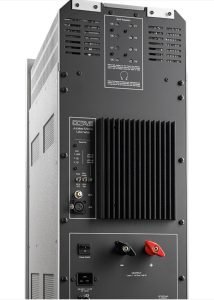
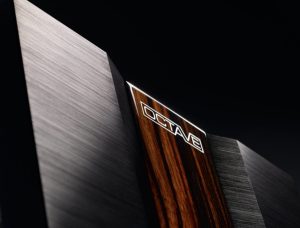
Basic modelJubilee Mono Ultimate Options Remote power on Design Silver or Black, middle section optionally in stone or wood Tube configuration8 x KT 170 Inputs1 x RCA, 1 x XLR OutputsSpeaker output suitable for banana plugs and cable lugs Dimensions280 x 750 x 484 mm (W x H x D) Weight78.0 kg
FEATURES
Eco ModePower saving mode Protection SystemInrush current delay (soft start); Protection circuit for device and output tubes Power Preselection2-stage current adjustment, Low / HighBias Controlseparate BIAS Adjustment for each power tube InputsRCA + XLR selectable
SPECIFICATIONS
Output power440 W on 4 ohms Frequency range10 Hz – 80 kHz Harmonic distortion< 0.1 % at 10 W on 4 ohms Signal-to-noise ratio-103 dBGain+28 dB CinchInput sensitivity1.5 V
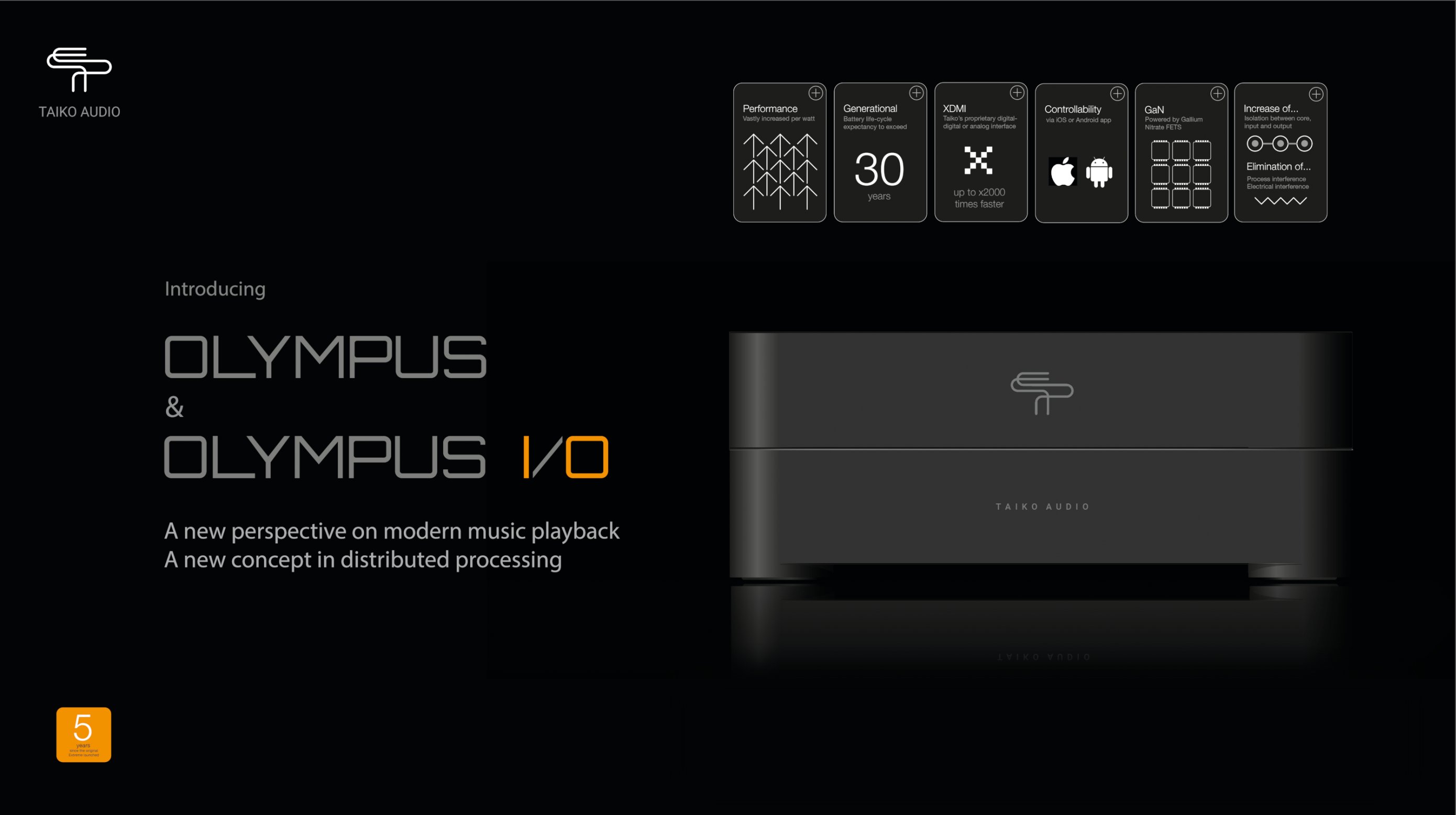
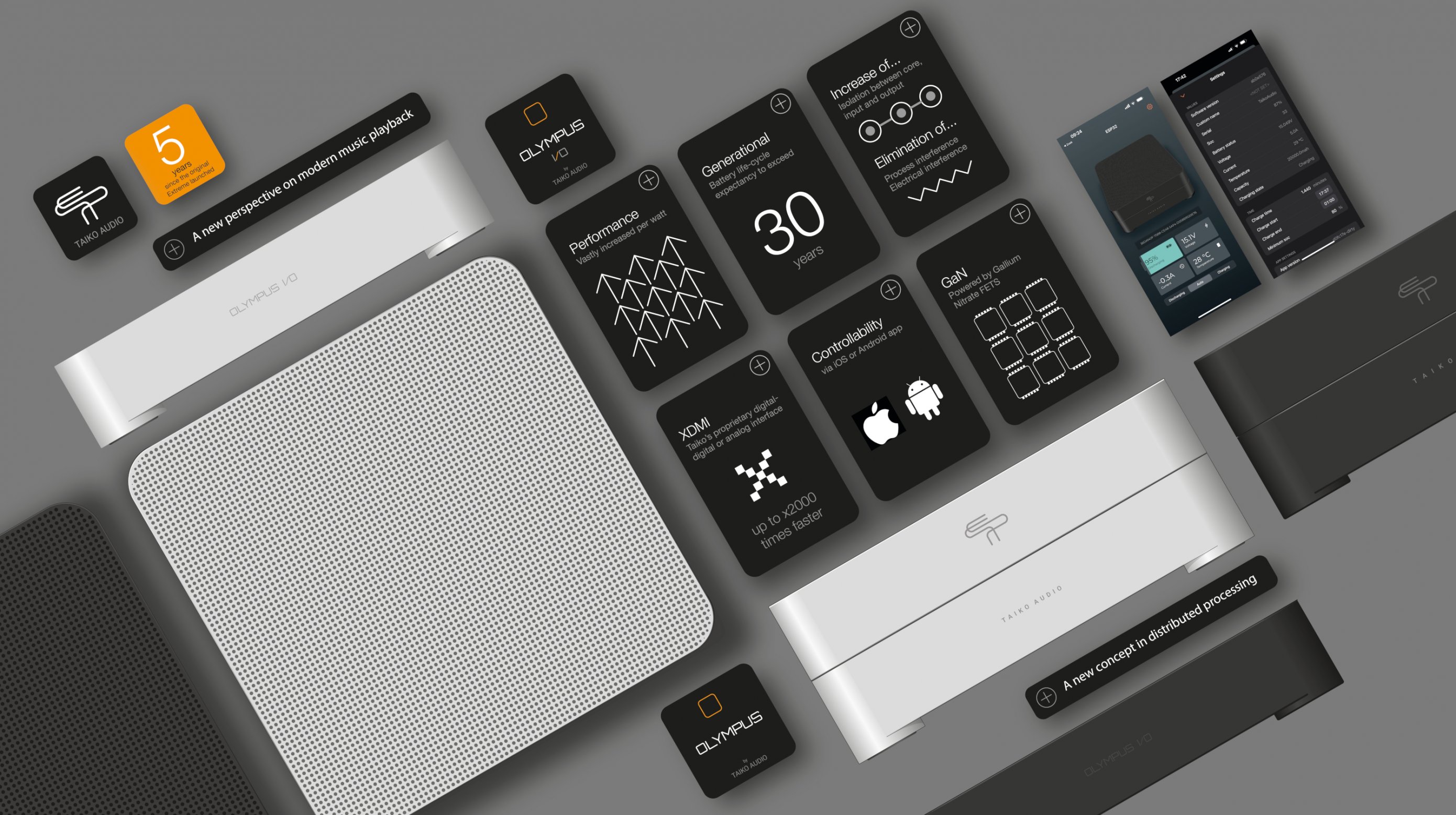
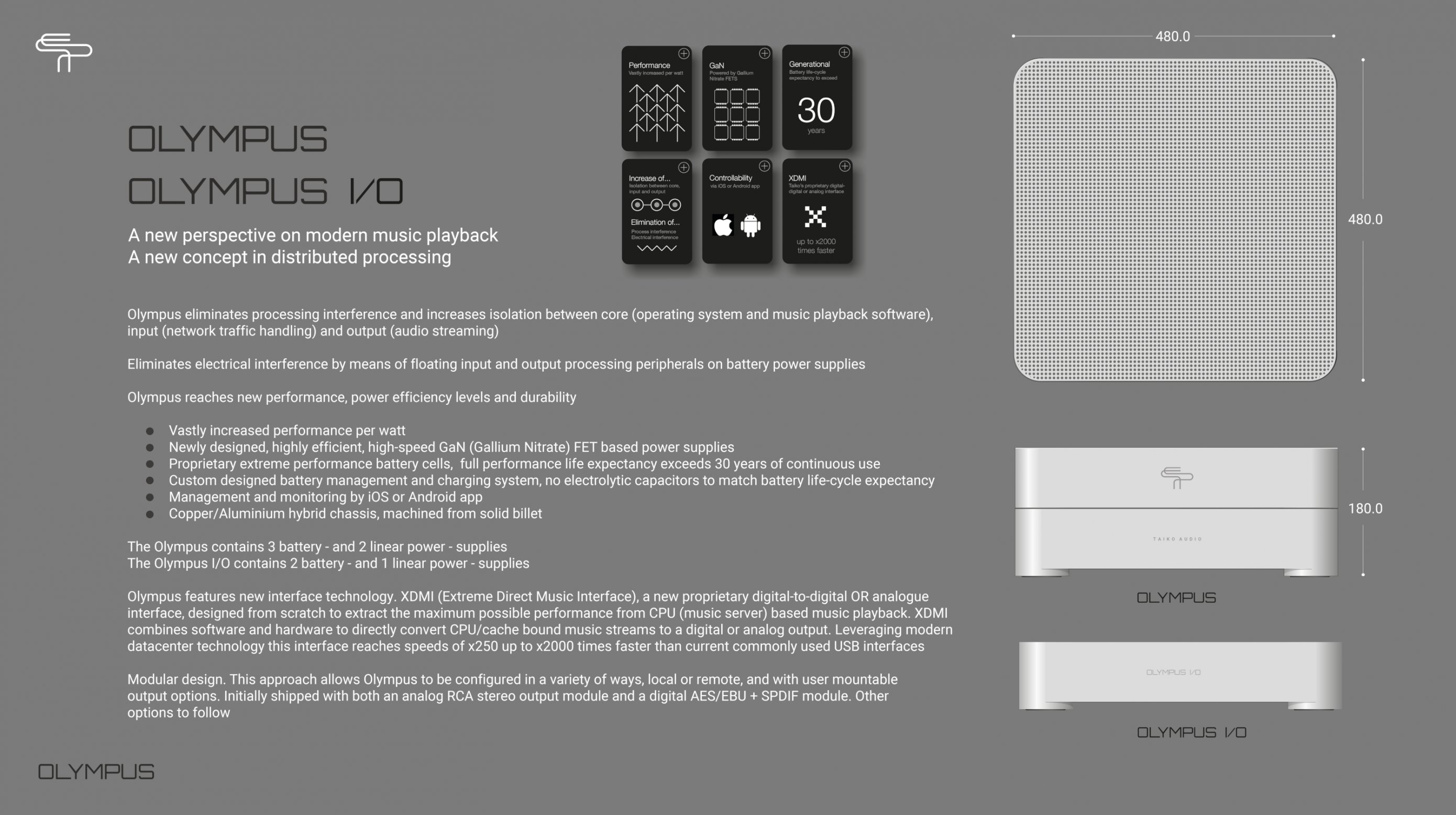
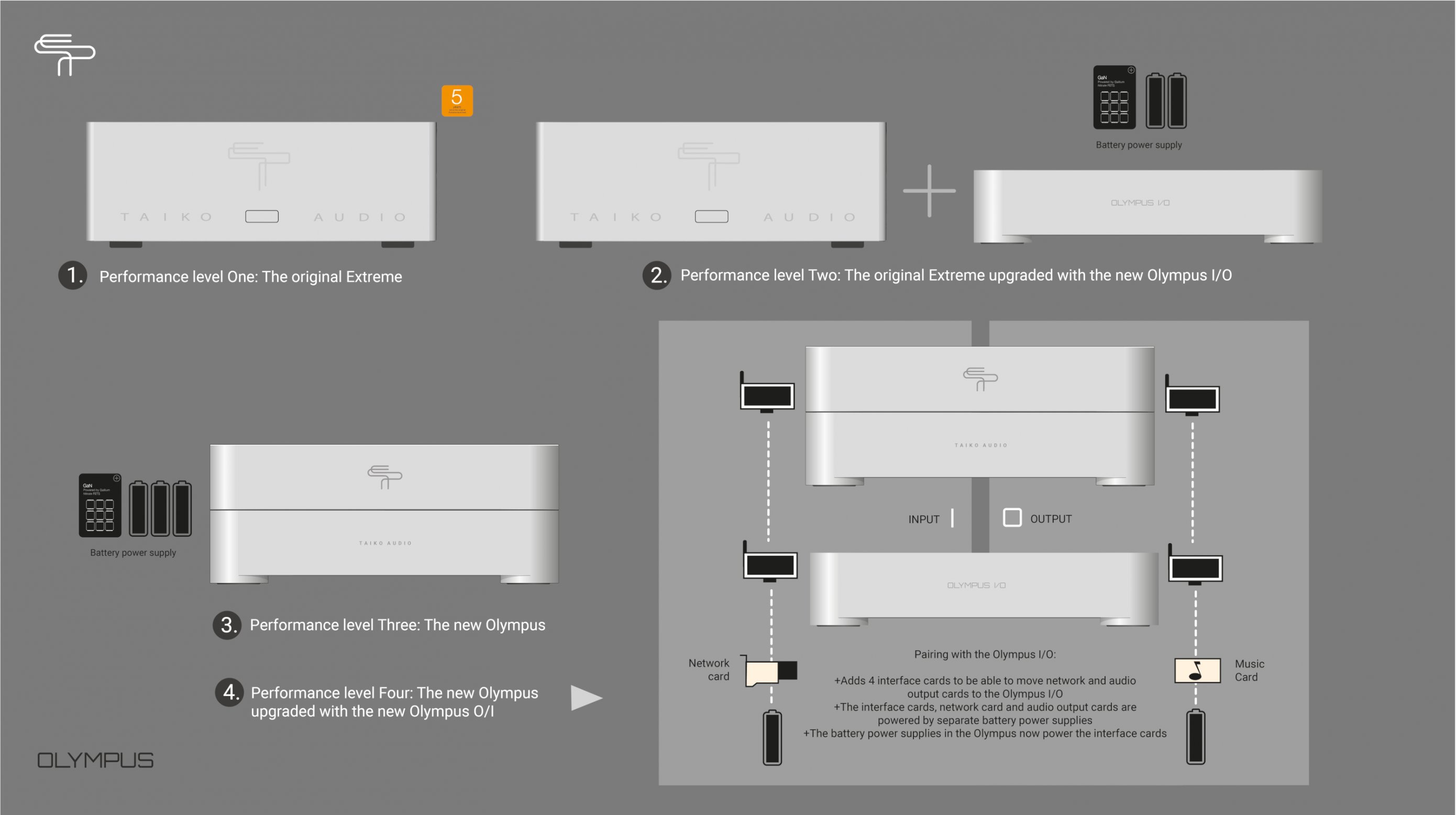
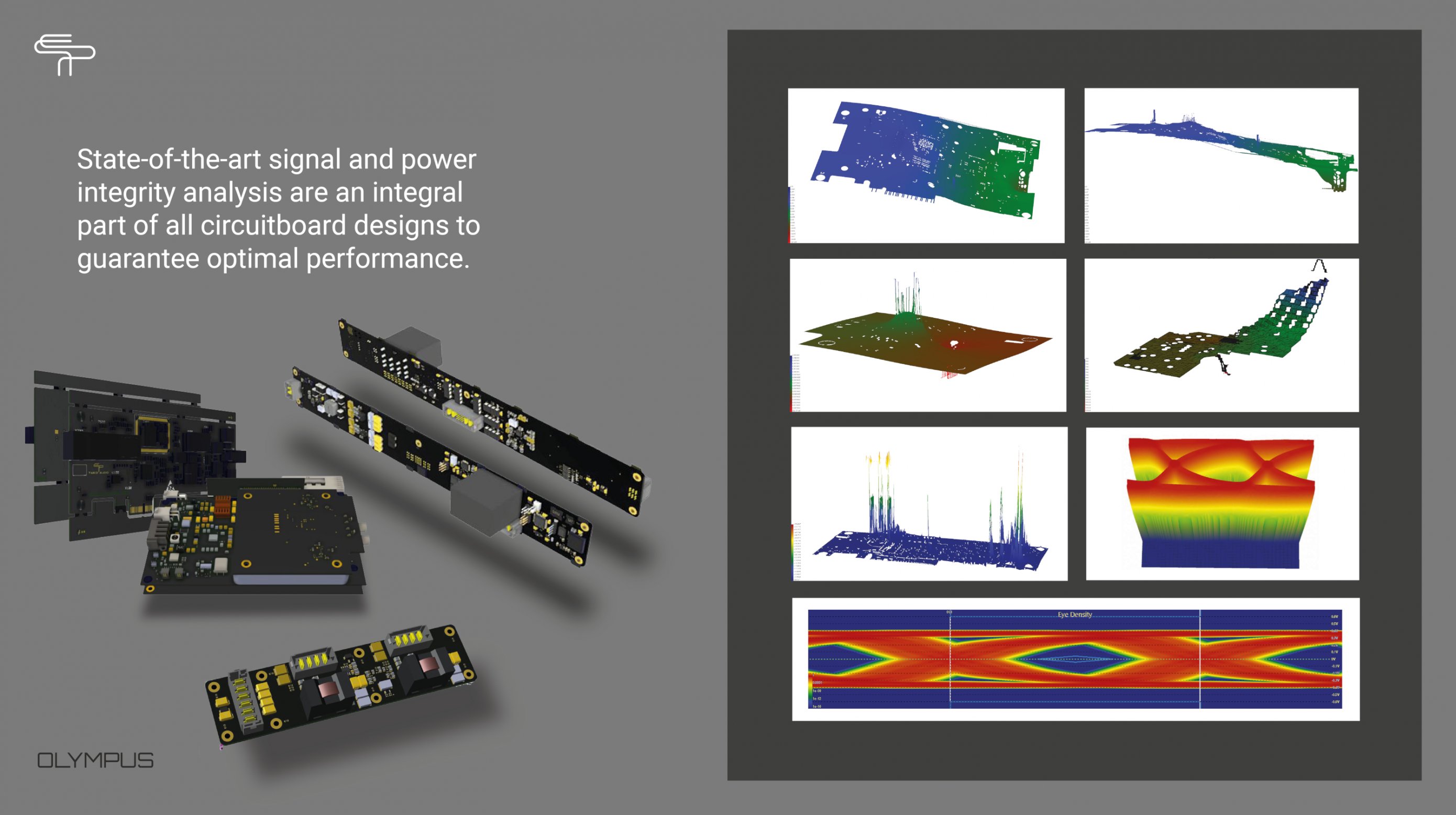
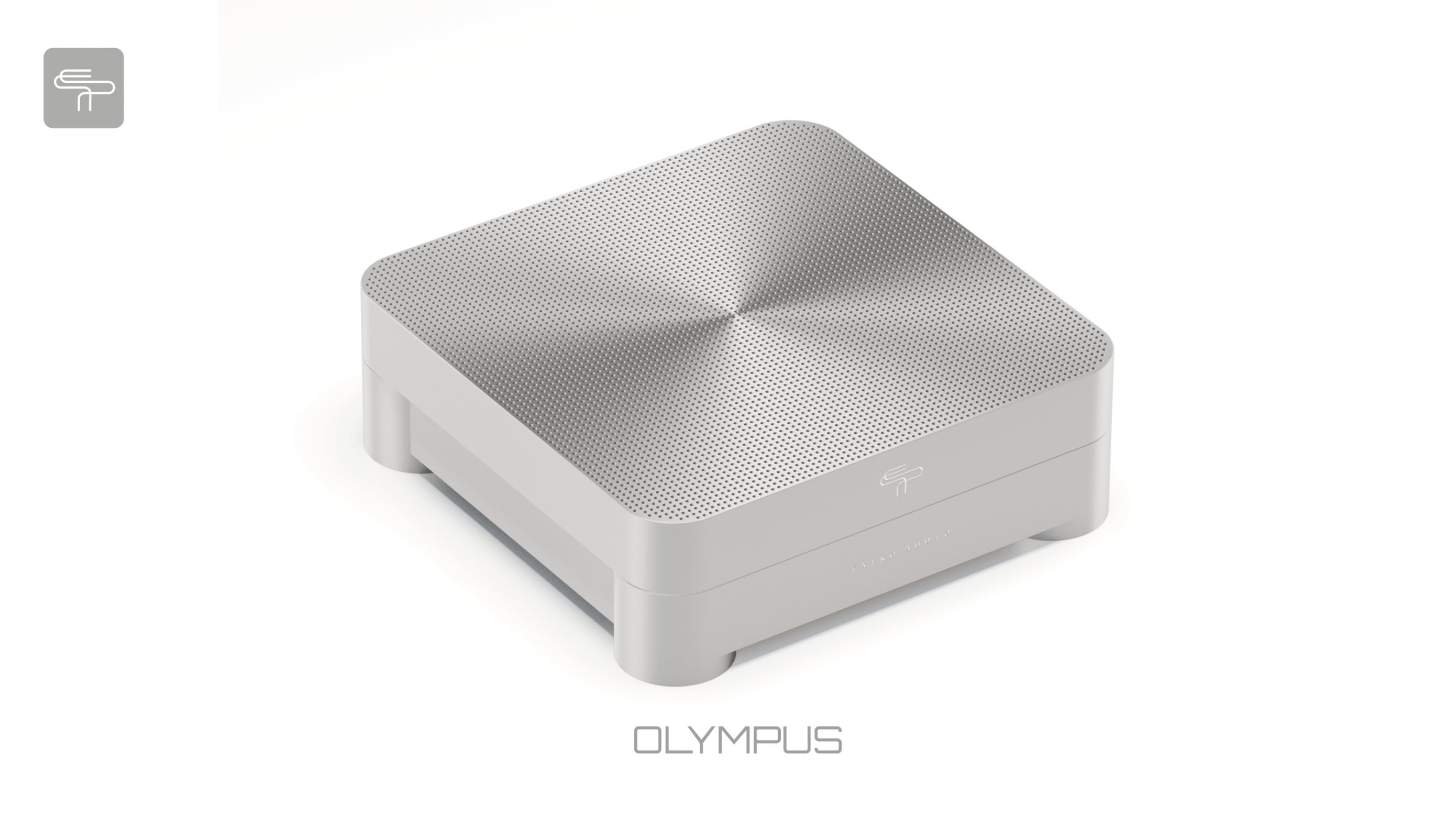
Today we are introducing the culmination of close to 4 years of research and development. As a bona fide IT/tech nerd with a passion for music I have always been intrigued by the potential of leveraging the most modern of technologies in order to create a better music playback experience. This, amongst others, led to the creation of our popular, perhaps even revolutionary, Extreme music server 5 years ago which we have been steadily improving and updating with new technologies over the course of it’s life cycle. Today I feel we can safely claim it’s holding it’s ground against the onslaught of new server releases from other companies, and we are committed to keep improving it for years to come. We are introducing a new server model today, called the Olympus. Hierarchically it positions itself above the Extreme. It does provide quite a different music experience then the Extreme, or any other server I’ve heard for that matter. Conventional audiophile descriptions as sound staging, dynamics, colour palette, etc, fall short to describe this difference. It does not sound digital or analog, I would be inclined to describe it as coming closer to the intended (or unintended) performance of the recording engineer. Committed as we are to keeping the Extreme as current as possible we are introducing a second product today, called the Olympus I/O. This is an external upgrade to the Extreme containing a significant part of the Olympus technology allowing it to come near, though not entirely at, Olympus performance levels. The Olympus I/O can even be added to the Olympus itself to elevate it’s performance even further, though not as dramatic an uplift as adding it to the Extreme. Consider it the proverbial “cherry on top”. There are many technological advanced innovations in the Olympus, describing them all will take time and will make this introduction piece hard to digest, we will add bits and pieces of information over the coming days. For now I’ll just say that the best way to describe it in short is that we have eliminated a large number of intermediate processing steps and conversions, in both hardware and software, for a more direct, more streamlined, more purist “signal path”. I will post a graphical presentation in the following posts which we made in an attempt to provide an as clear as possible overview of the Olympus product series. Pricing and availability information to follow later as well.
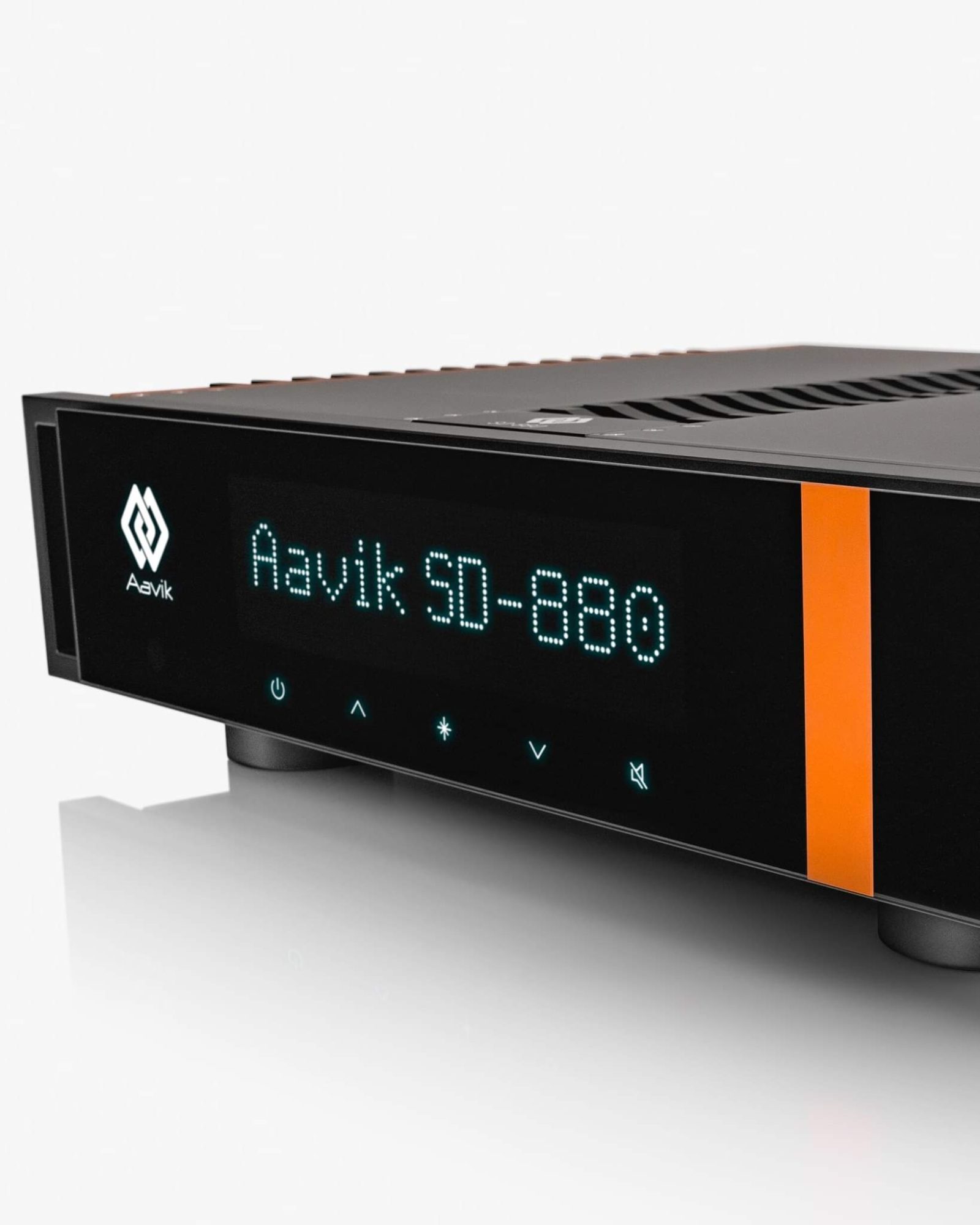
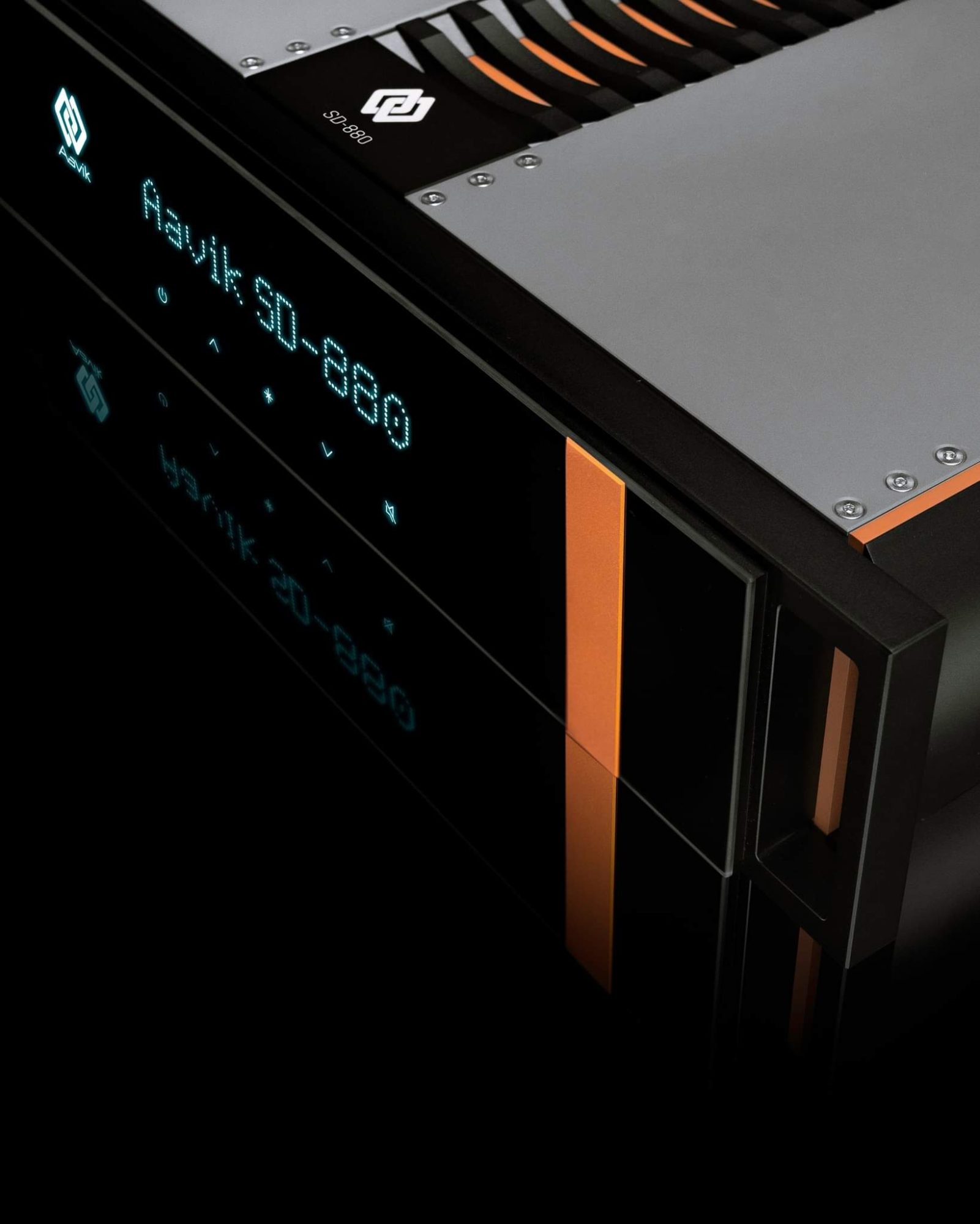
What makes the Aavik SD-880 so exceptional is the revolutionary in-house developed and manufactured Non-switching Continuum Processing DAC, in combination with Aavik’s most advanced streamer technology, noise reduction technologies, and a pioneering enclosure design.
The Aavik SD-880 creates unprecedented authentic and lifelike music experiences. Rooted in Aavik’s persistently strive for the ultimate in authentic musical reproduction and the commitment to perfection.
Technologies and Components
Aavik managed to unlock the positive acoustic synergies between the innovative Non-switching Continuum Processing DAC and the Aavik Streamer. Equipped with all the premium material and electronic components that distinguish the 880 flagship series, the Aavik SD-880 is packed with exceptional sound properties. The result is nothing less than a revelation of digital audio excellence. With its unmatched and authentic musical performance, the Aavik SD-880 is not only a symbol of the zenith of hi-fi ingenuity, but also an aesthetic masterpiece that visually enhances any hi-fi system with its aesthetic and elegant design.
Resonant mode power supply
Quiet but extremely powerful. This Aavik series is designed to ensure massive power resources with ultra-low noise. Unlike the square waves used by conventional switch mode power supplies, this Aavik series boast a resonant mode design which is principally driven by sine waves.
When more power is needed, the operating frequency increases, which, in turn, has the advantage that the power density also increases, thus allowing higher peak power when required by the music.
The noise floor in the raw power supply is extremely low but could be even further lowered by the ultra-low noise regulators supplying the different parts of the circuit. The noise of these regulators is measured in a few microvolts respectively nanovolts, which is significantly lower than the noise level of conventional regulators.
The 880 cabinet design
A study of materials and shapes
The exterior design of the Aavik 880 amplifier is the result of Flemming Erik Rasmussen’s artistic and aesthetic work. However, his design philosophy is and always has been that design must serve purpose. The cabinet of the Aavik 880 amplifier was designed primarily with the goal of maintaining the best audio characteristics of the electrical design, i.e. the lowest inductance, reducing hysteresis to an absolute minimum, and ensuring excellent resonance control. In addition, since this was a Class A amplifier that was to be developed, there were some predefined premises for the design. With these goals in mind, the design process became a study of shapes and materials that opened up a unique and constructive synergy between Flemming Erik Rasmussen and Michael Børresen.
In addition, the amplifier features cooling elements on the sides and top that clearly bear Flemming’s design signature. The outer part of the volume button is covered with titanium, and the control panel is designed as a large LCD touchscreen display.
The choice of materials, as well as the interior and exterior design, are the result of Fleming and Michael’s collaboration and are characterized by functionality, but also by a very aesthetic and elegant design.
Bottom plate sandwich construction
The bottom plate is designed as a sandwich construction with a copper plate, a heavy compact laminate plate, and a titanium layer on the bottom. This unique sandwich construction ensures minimum resonance and supports a natural and organic sound.
The solid copper enclosure
Based on Flemming Erik Rasmussen’s fascination with copper for its visual appearance and feel, and Mi
chael Børresen’s insight into the sonic properties of copper, this material was chosen as a fundamental component of the design. As a result, the Aavik 880 amplifiers feature a solid copper enclosure. This results in a further reduction in hysteresis, lower output impedance, lower inductance, a positive effect on the damping factor, and cooler operation of the amplifier. All these components ensure that the music is reproduced with more energy and power.
The Aavik streaming app
Control the music from your iPad. Enjoy the thrill of being the master of the endless music streaming universe. Choose your favorite music with the Aavik streamer and indulge yourself in the delight of an outstanding streaming-based audio performance. The Aavik app is easy to navigate and allows you to tap into your playlists and various streaming services such as Tidal, MQA, vTuner and Qobuz.
The Tesla coil principle
The principle is to have two coils that are wounded in each direction / a coil and a counter coil. In Ansuz words: “a double inverted coil” – the two coils are both carrying voltage – and when the Tesla coil encounters a voltage spike a counter spike is activated in order to eliminate the noise. As Noise spikes are pure voltage and carries virtually no charge, the cancelation is quite good, but not 100%. By adding more P-TC coils in parallel the performance increases. By implementing this the perceived blackness in the music improves significantly.
Ansuz Tesla coils are available in various types as they complement each other in terms of strengths /weaknesses.
Active Tesla coil
Effective noise killer. The active Tesla coils are power supplied which secures a remarkable lower impedance and thus a better ability to eliminate noise. The active version is about three to four times more efficient than passive Tesla coils.
Active square Tesla coils
Impressive noise reduction. The active square Tesla coils are embedded in our circuitry boards – one coil on the top and the counter coil on the rear side. The principle is exactly the same as the active Tesla coil and thus a great ability to eliminate noise than the passive Tesla coil.
Analog dither technology3rd generation
A 3rd generation of the Ansuz analog dither technology has been developed. Analog dither technology originated in radar, where it ensured a stronger signal and thus greater range. The active Tesla coils send pulsating signals at precisely defined frequencies. These signals are sent in anti-phase. This significantly amplifies the musical signal and eliminates the background noise floor.
Analysis and studies have led to new options – and a lot of listening has resulted in this 3rd generation design which is a further optimization of the most effective frequencies which opens the soundscape even more and with the tiniest details when it comes to reproduction of the recordings.
Active zirconium anti aerial resonance Tesla coil
Based on Ansuz general curiosity on the properties of different materials, Ansuz has implemented a zirconium bar in their anti aerial resonance coil design. This is another impressive upgrade to the Ansuz anti aerial resonance coil technology.
The properties of this zirconium bar allow for unprecedented resonance control resulting in outstanding musical refinement that creates a natural soundstage, unrivalled in its purity, precision and attention to musical detail.
Ansuz Darkz Z2 Signature included
Each of the Aavik 880’s four feet is designed to accommodate an Ansuz Darkz resonance control device. Four Ansuz Darkz Z2s are therefore always included in the Aavik 880 model.
Ansuz Darkz resonance control devices absorb vibrations that are not directly related to the signal path. The absorption results in an audible vibration feedback, which affects the sound quality. Ansuz Darkz consist of 3 discs separated by 3 titanium ball bearings. The Ansuz Darkz Z2S is unique due to the zirconium which is used in it. The resonance control from using zirconium results in an outstanding musical refinement. The Darkz Z2 Signature is further acoustically optimized with the exclusive Ansuz Signature coating on each disc. Finally, the interalyer balls are in Tungsten, which is a premium material in terms of stability and resonance control. The result is an amazing natural soundstage, unrivalled in its purity, precision, and attention to musical details.
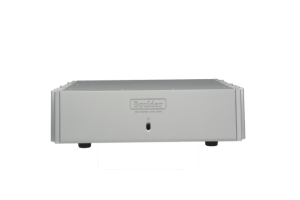
75W peak power per channel into 8 ohms, 110W peak power into 4 ohms, 200W peak power into 2 ohms
New protection circuitry enables the 861 to deliver greater current at maximum output without fear of damage to the amplifier’s electronics
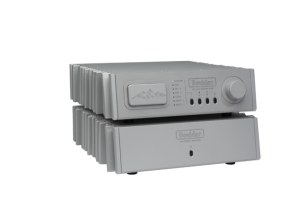
Space saving design is the same footprint (width and depth) as the 812 DAC Preamplifier
In-house manufacturing efficiency improvements have made the 861 an incredible value in comparison to previous amplifiers
Smaller carton packaging means easier transportation, unpacking, and installation
Along with assembly and testing, every circuit board and piece of metalwork is produced in-house at Boulder’s dedicated facility for unparalleled quality assurance
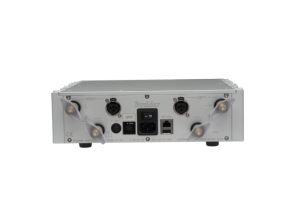
Boulder’s traditional in-house 0.25″ (6 mm) thumbscrew binding posts are included for secure speaker cable connections and optimal sound quality
IP control, and networked HTML page
Software updates to the internal control and housekeeping systems available as needed with automated online downloads or manual USB port installation
SPECS
STEREO POWER AMPLIFIER
CONTINUOUS POWER, 8 OHMS 50W
PEAK POWER, 8 OHMS 75W
CONTINUOUS POWER, 4 OHMS 90W
PEAK POWER, 4 OHMS 110W
PEAK POWER, 2 OHMS 200W
BALANCED ANALOG INPUTS 1 pair balanced via 3-pin XLR
OUTPUTS .25″ (6mm) Binding posts
DISTORTION, THD 0.01%
EQUIVALENT INPUT NOISE (EIN), 20 KHZ 2.6 μV
INPUT IMPEDANCE 100kΩ Balanced
FREQUENCY RESPONSE, 20 HZ TO 20 KHZ +0.00, -0.04 dB