RECENT POSTS
海外ニュース速報 [World]
日本では5月23日発表予定?
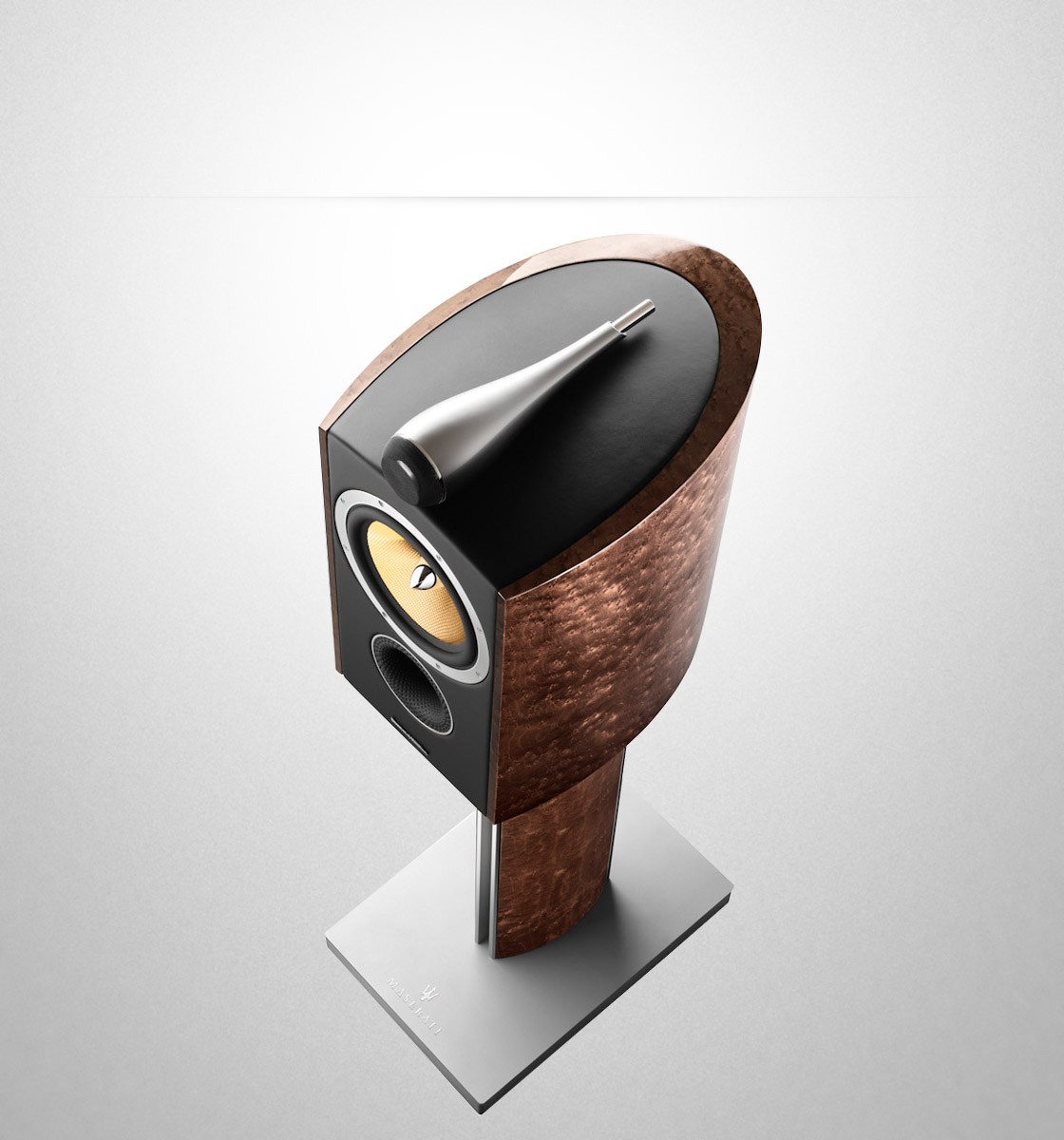
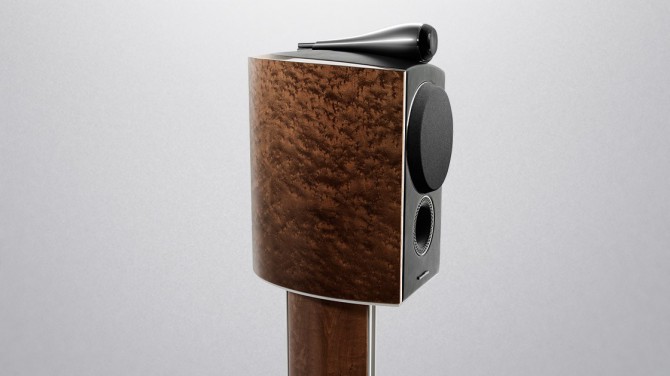
「805 Diamond 」と「 P5 」にMaserati Editionが限定登場とのことです。
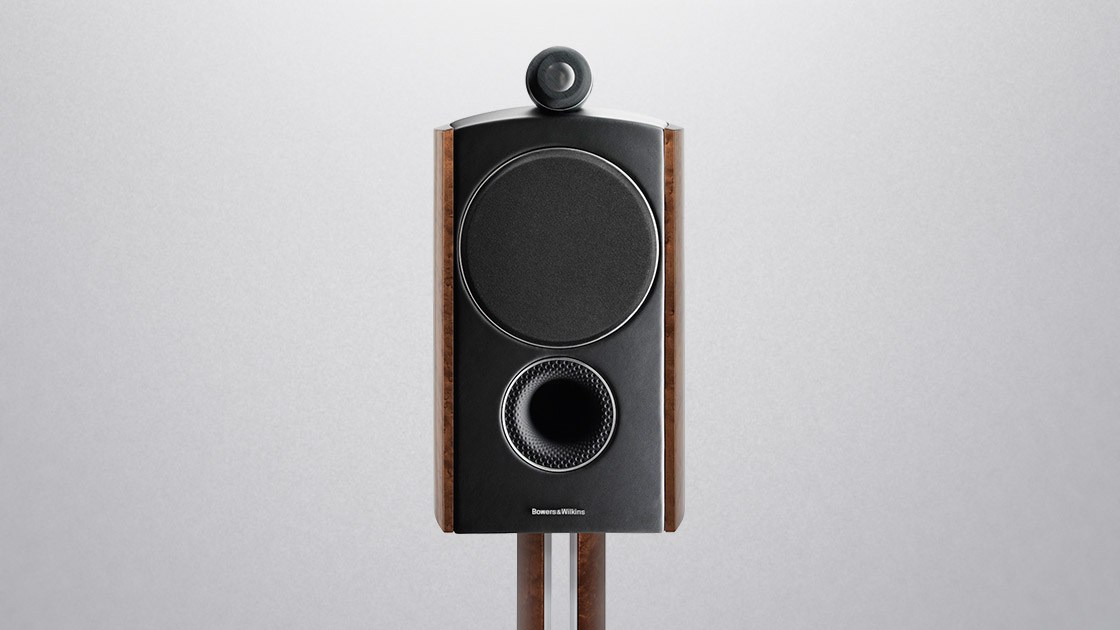
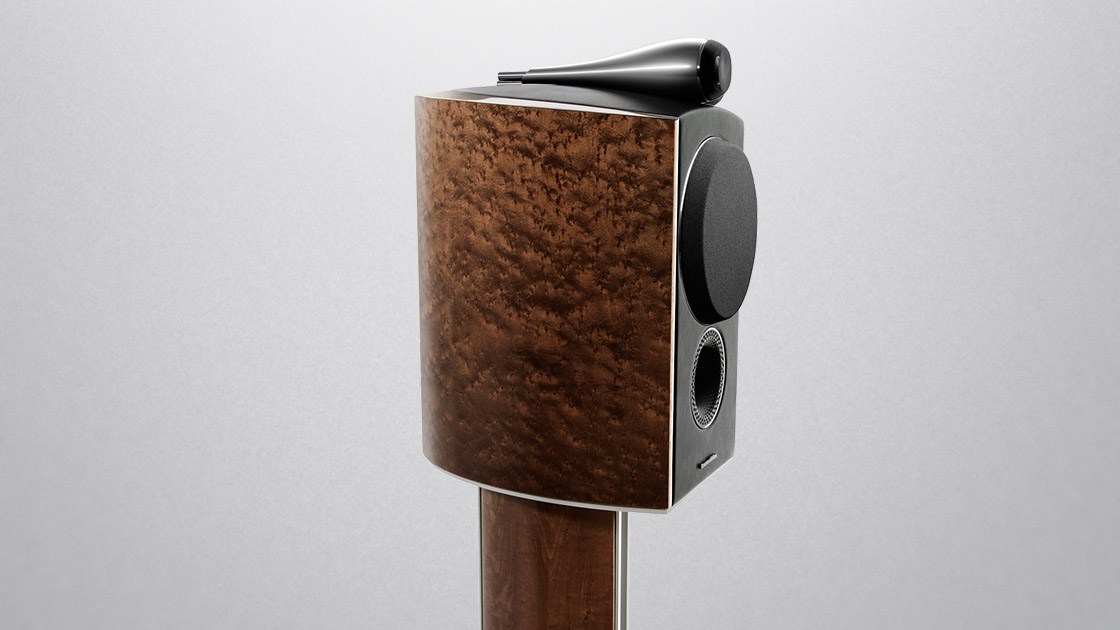
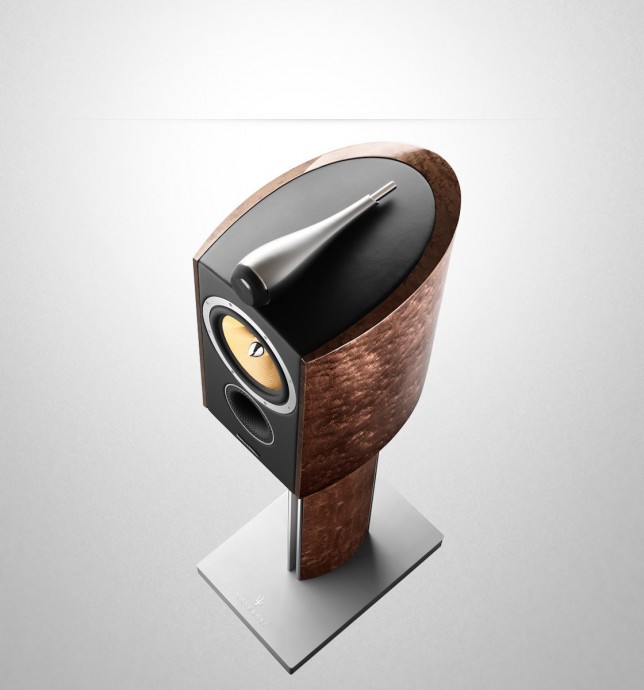
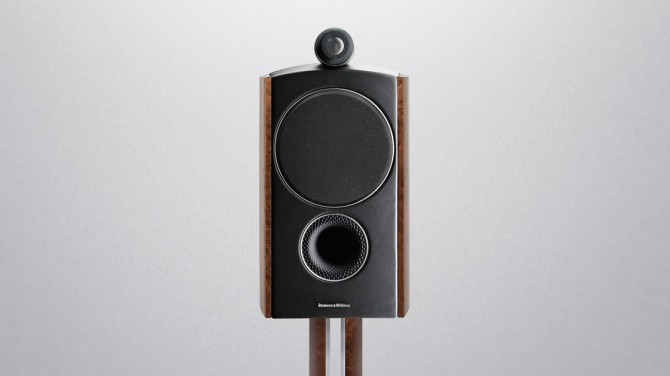
Bowers & Wilkins innovation meets Maserati style in this superb high performance loudspeaker. The 805 is the stand-mounted model in our flagship 800 Series Diamond speaker range, the choice of famous recording studios and revered by serious audio enthusiasts for their stunningly realistic sound quality. This limited edition model reflects the opulent yet understated design of a Maserati car interior, featuring luxury black Maserati leather, birdseye maple real wood veneer and Maserati’s Trident on the integrated stand.
In this magnificent speaker Bowers & Wilkins innovations combined with the style of a luxury car Maserati. Mounted on stand 805-I refers to the flagship 800 Series Diamond, which is set in the most famous recording studios and highly regarded for serious audio enthusiasts striking realism of sound. 805 Maserati Edition implements the same audiophile-level technology and has the same great sound as the usual 805 Diamond, but it is made of materials that reflect the establishment of partnerships between the Bowers & Wilkins and Maserati.
Produced a limited edition of 805 Maserati Edition reflect the rich, but at the same time restrained trim cars Maserati – with a luxurious black leather from Maserati on the front, natural maple veneer pattern “bird’s eye” and with a brand Maserati trident on the stand. Stand is an integral part of the 805 Maserati Edition, and finished in exactly the same veneer. Maserati logo on the base plate – a tribute to cooperate. Buy column can only be with the stand.
Advanced performance 805 Maserati Edition general public agreed with the holding of events in the tour “Seven Notes» – «Seven Note». First speaker was introduced on May 9 China’s press and appeared on a Chinese website Bowers & Wilkins. Then all of Japan – the 23rd of May and finally to all the other sites 805th will be the 6th of June, to coincide with the «Seven Note» in Los Angeles.
The site Bowers & Wilkins speakers 805 Maserati Edition will be assigned to a separate page as long as it is not officially available for sale at the end of 2013.
海外ニュース速報 [World]
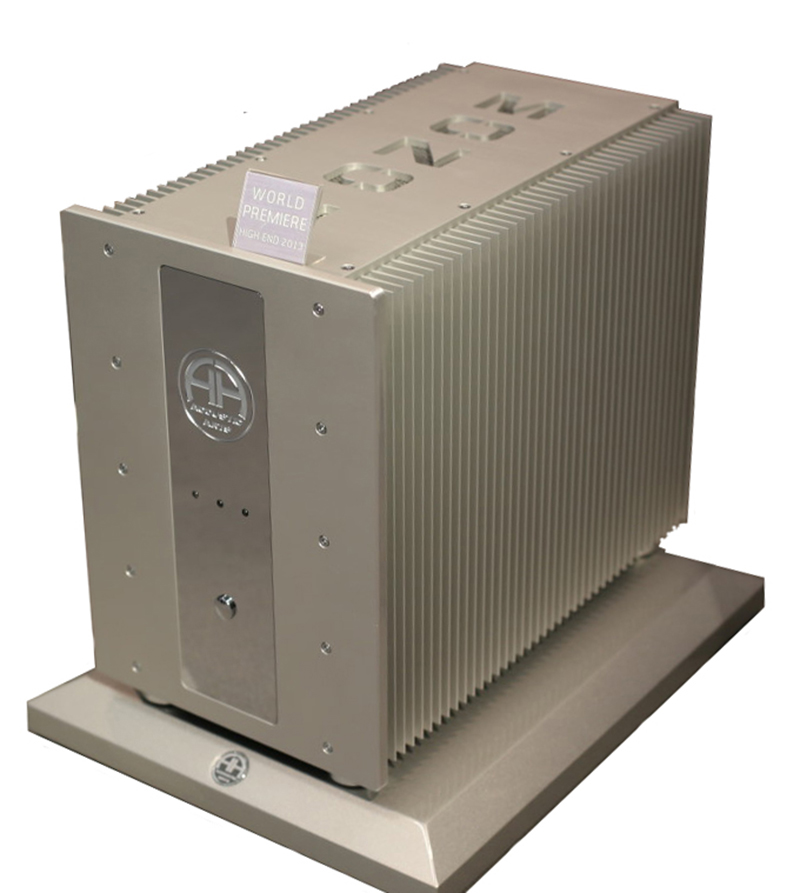
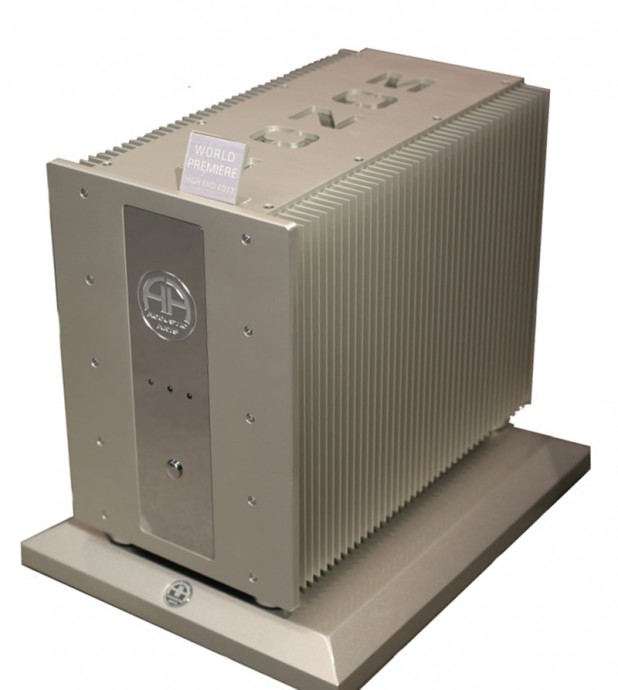
AcousticArts MONO II
海外ニュース速報 [World]
FM-8 new top of the range speaker
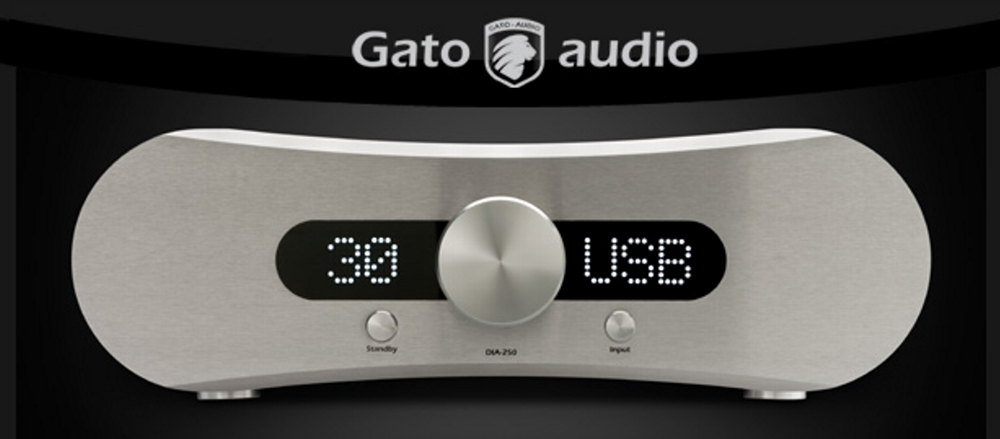
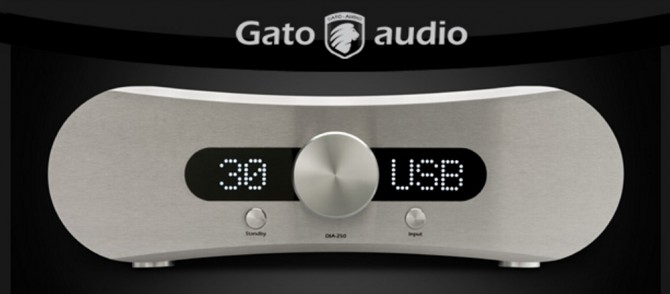
DIA-250 Class-D Integrated Amplifiers with 24bit/192kHz D/A Converter
DIA-400 Class-D Integrated Amplifiers with 24bit/192kHz D/A Converter
PRD-3 Preamplifier with 24bit/192kHz D/A Converter
海外ニュース速報 [World]
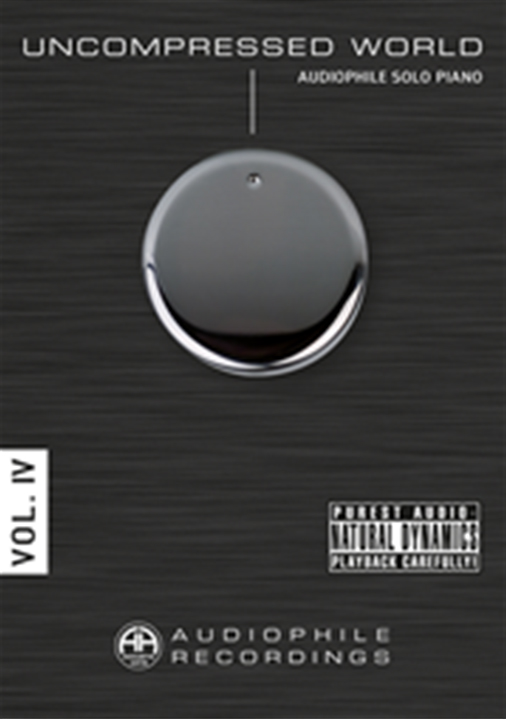
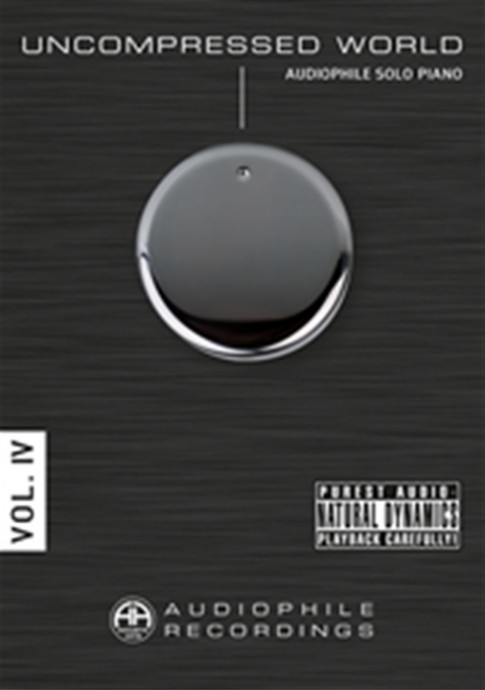
UNCOMPRESSED WORLD VOL. 4
A complete compilation dedicated to a single instrument? Would that work? These were our initial thoughts at the beginning of 2012 as we started work on “Uncompressed World Vol. IV”.
And: which solo instrument should we even take? Well here we agreed quite quickly on the piano. The question of whether one can dedicate a complete compilation just to solo piano is yes, you can. In fact it works really well. This is because no two pianos are the same, whether Steinway, Grotrian-Steinweg, Bösendorfer, or Yamaha. Each manufacturer of pianos has its own philosophy. Further differences are the various interpretations of the players and the recording technology used by the recording engineer. In any case, experts describe the recording of a piano as the ultimate discipline in studio miking. The background here is that a grand piano has a very wide frequency range (with resonant frequencies of the strings in the range of 27.5 to 4200 Hz and with harmonic waves up to 12 kHz) and also a very wide dynamic range. Another decisive point is whether the instrument is situated alone in a large concert hall or fills the space of a small recording studio. Where are the microphones positioned during the recording? Classical recordings in particular place the microphones a large distance away from the instrument. The resulting acoustic pattern is indirect, with a great deal of space present. Others place the microphones very close to the source where the sound is generated. The result is an intimate sound which includes all the ambient noise. The hammer and pedal are clearly audible.
And you might find it hard to believe, but canned piano music has found its way into our compilation. Sampled sound, played on a midi keyboard, and edited on a laptop. Our recommendation: before reading the booklet, first of all listen carefully to the CD, track by track. Try to find out which track was not played with a “real” piano. We wish you lots of fun during the search and even more fun with the audio journey through the Uncompressed World of the audiophile solo piano.
海外ニュース速報 [World]
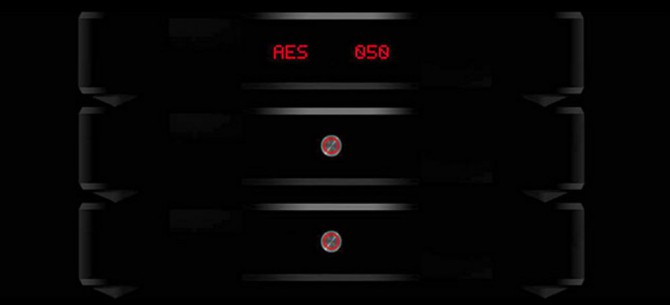
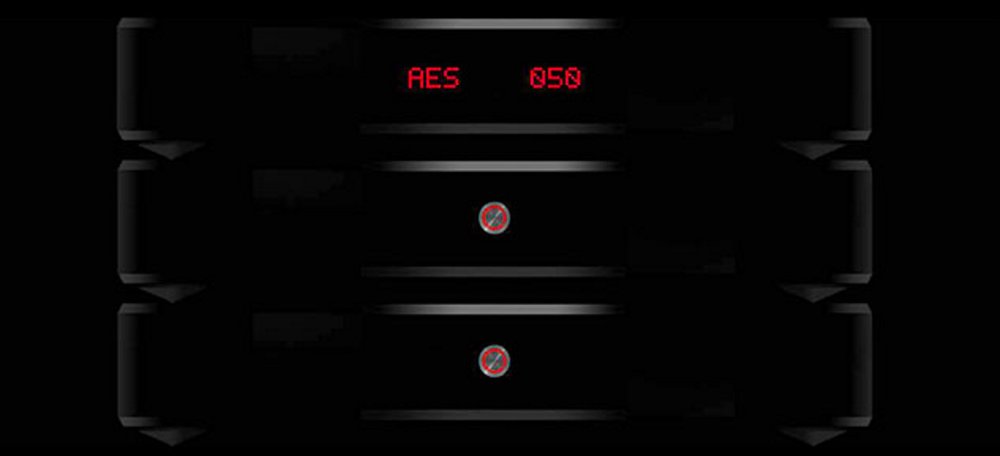
Bel Canto Black – C1 Controller
The C1 Controller is not quite what you expect it to be, given that the e.One series of DACs which can function as pre-amplifiers and have been marketed as such since their launch. Where the e.One series DACs are digital to analogue converters, the C1 is a digital to digital device, offering input selection of digital sources, and a digital output in AES/EBU or ST-Fiber format. Why, will become clearer shortly.
In essence, the C1 is an ultra low noise digital source controller featuring:
・Free running Ultra-Low Phase Noise Master Clock core: Less than 30 Femtoseconds RMS phase noise from 100 Hz to 1MHz: 30fS = 0.03 Picoseconds
・Asynchronous Interfaces for USB, UPNP Ethernet and Standard Digital inputs
・Custom Optimised, 64 bit Modular Audio Processor Core-DSD processing and Multiple FIR filters
・32 bit digital Volume Control
・Dual Ultra Low Phase Noise Clocks
・25fS Phase Noise from 100Hz-1MHz1.0G Operations Per Second Custom DSP core with
・Proprietary FIR Apodising filters for optimum time domain response
・DSD 64 DoP support
In total there are 8 digital inputs on offer:
・AES/EBU
・2 x SPDIF
・2 x ST Fiber
・TOSLINK (Optical)
・USB 2.0 Asynchronous Interface
・UPNP/DLNA Asynchronous Ethernet Network Player
In addition to the multitude of digital inputs, the C1 also offers a single analogue input for a legacy device such as a reel to reel tape recorder or cassette deck etc. The incoming signal is converted to 24bit/192kHz digital for output. This analogue input can also function as a home theatre bypass.
Control of the C1 can be performed via a top mounted encoder/switch control wheel, IR remote control or via BLE (Bluetooth Low Energy). The front display is comprised of 12 x large RED dot matrix display.
Weighing in at a hefty 20kg and with dimensions of 48cm x 11cm x 30cm, this is Bel Canto’s first full sized component in many years. Now, all of this is great, but what do you connect the C1 to?
Bel Canto Black – MPD1 Mono Power DAC
As you can see from the product name, with the MPD1, Bel Canto have moved the digital to analogue conversion away from the source selection, and used the ‘shortest path to analogue’ principle of conversion and put the converter right inside the box with the power amp.
The asynchronous interfaces of the MPD1 accept either AES/EBU or ST-Fiber connections, perfectly matching the C1’s outputs naturally. Once again Bel Canto’s ultra low phase noise clocks are in use. We only have a few specifications of the DAC, and what we do know is that it offers over 127db of dynamic range with distortion less than 0.001%.
・Switch selectable St Fiber or AES Digital Input
・Channel A(L)/B(R) select switch
・BLE Control Interface
・Ultra-Low Phase Noise Master Oscillator
・25fS Phase Jitter from 100Hz-1MHz
・Parallel/Mono DAC architecture
・Custom Discrete Low Noise-High Speed I/V and output amplifiers/250mA drive
・Zero TC Ultra High Precision Caddock Blade resistors
・15dB Gain
With the e.One series of amplifiers, Bel Canto used the B&O ICEPower Class D modules as their base, with the Black series they have moved away from the B&O modules and now using custom nCore modules with 1200 watts of power per channel into 2 ohms. That last spec is important, because for the first time you can use Bel Canto power amplifiers with speakers that dip below 3 ohms, something the B&O modules do not like to do!
・Ultra-low noise and distortion
・THD+Noise: 0.0006% typical
・128 dB Dynamic Range
・30uVrms output noise
・All Discrete Circuitry
・12dB gain
・Dual WBT Nextgen Output Terminals
・High Current Power Delivery
・300 watts 8 ohms, 600 watts 4 ohms, 1200 watts 2 ohms
・>40A peak current
・Weight: 27kg
The Black series is a completely new approach to digital audio and as we said earlier is a cost no object product line, and as such, if you have to ask, you can not afford it! Pricing has yet to be set in concrete, but from what we have been told, expect it to cost in the vicinity of a fully spec’d Mercedes A250 for the complete setup!
海外ニュース速報 [World]
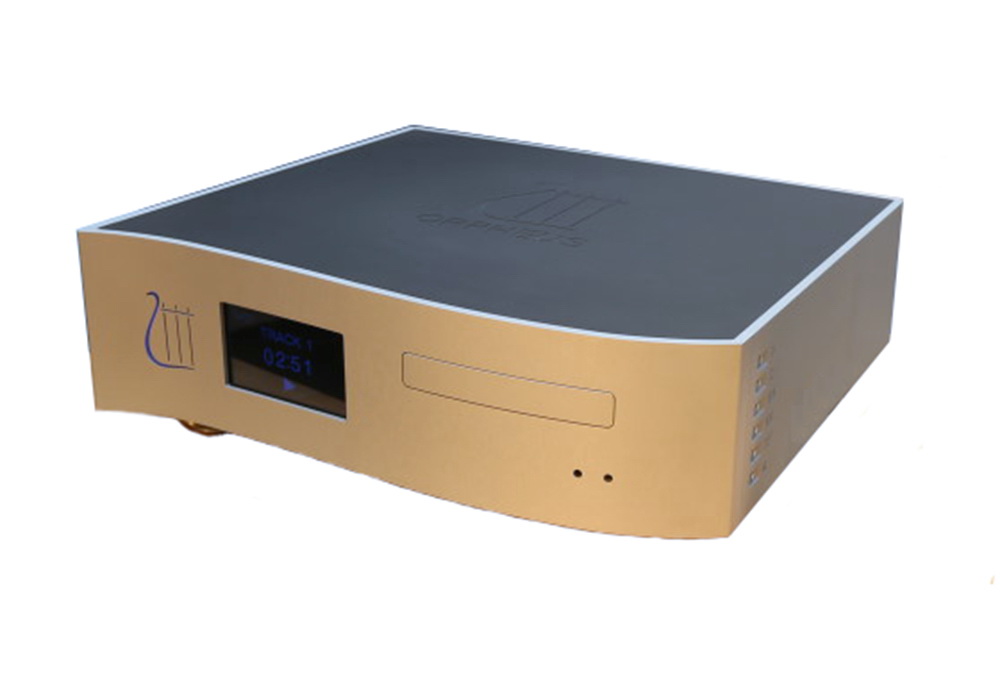
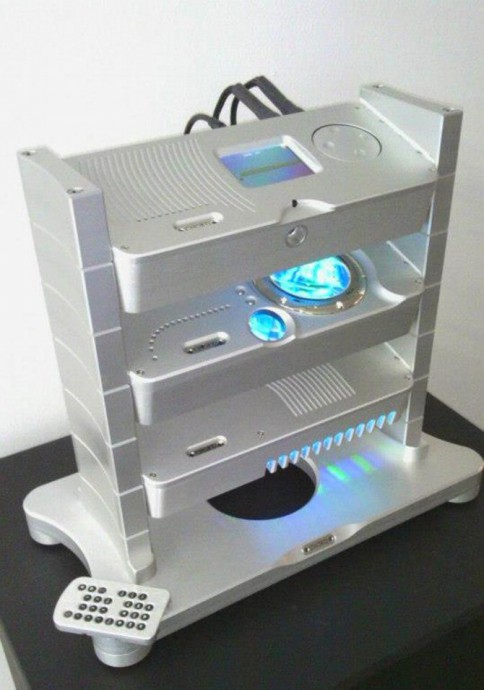
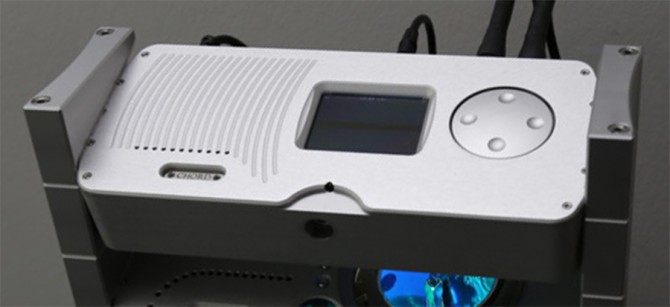
Codex
・UPnP streamer for Choral range
・With all the functionality of the DSX1000
海外ニュース速報 [World]
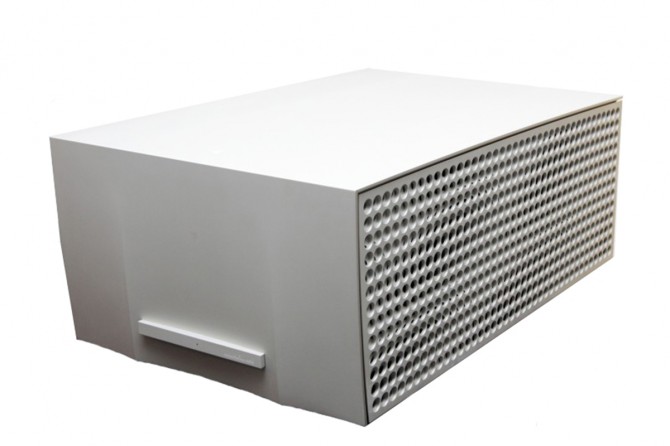
Constellation Audio
Hercules II mono power amplifier: $150,000/pr
Hercules II stereo power amplifier: $75,000
今夏登場予定
海外ニュース速報 [World]
bel canto Black USB DAC ($60,000)
海外ニュース速報 [World]
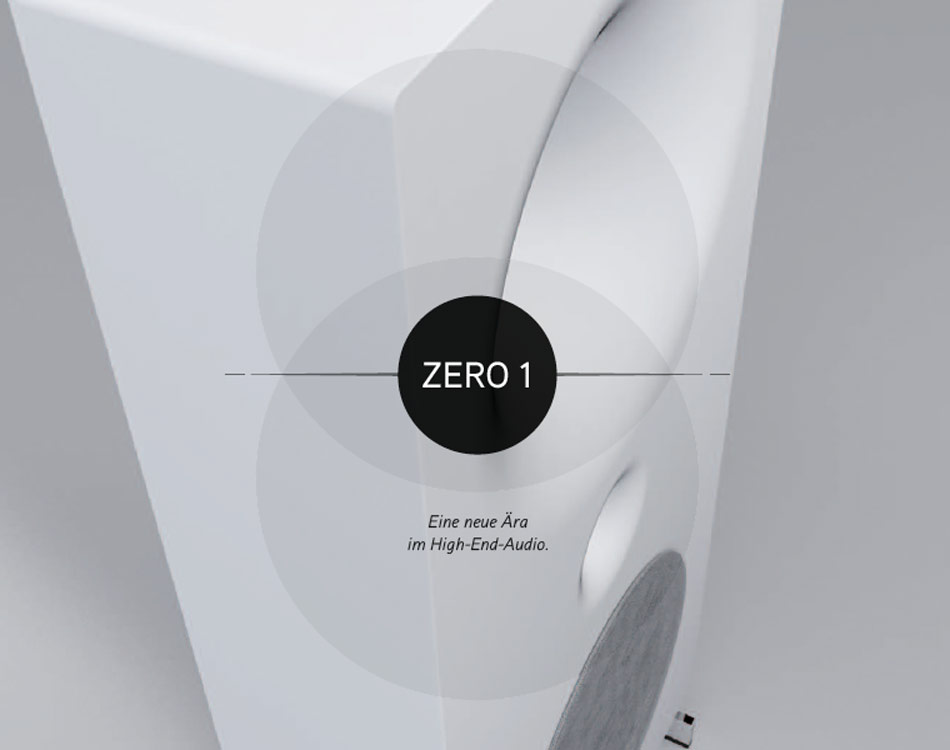
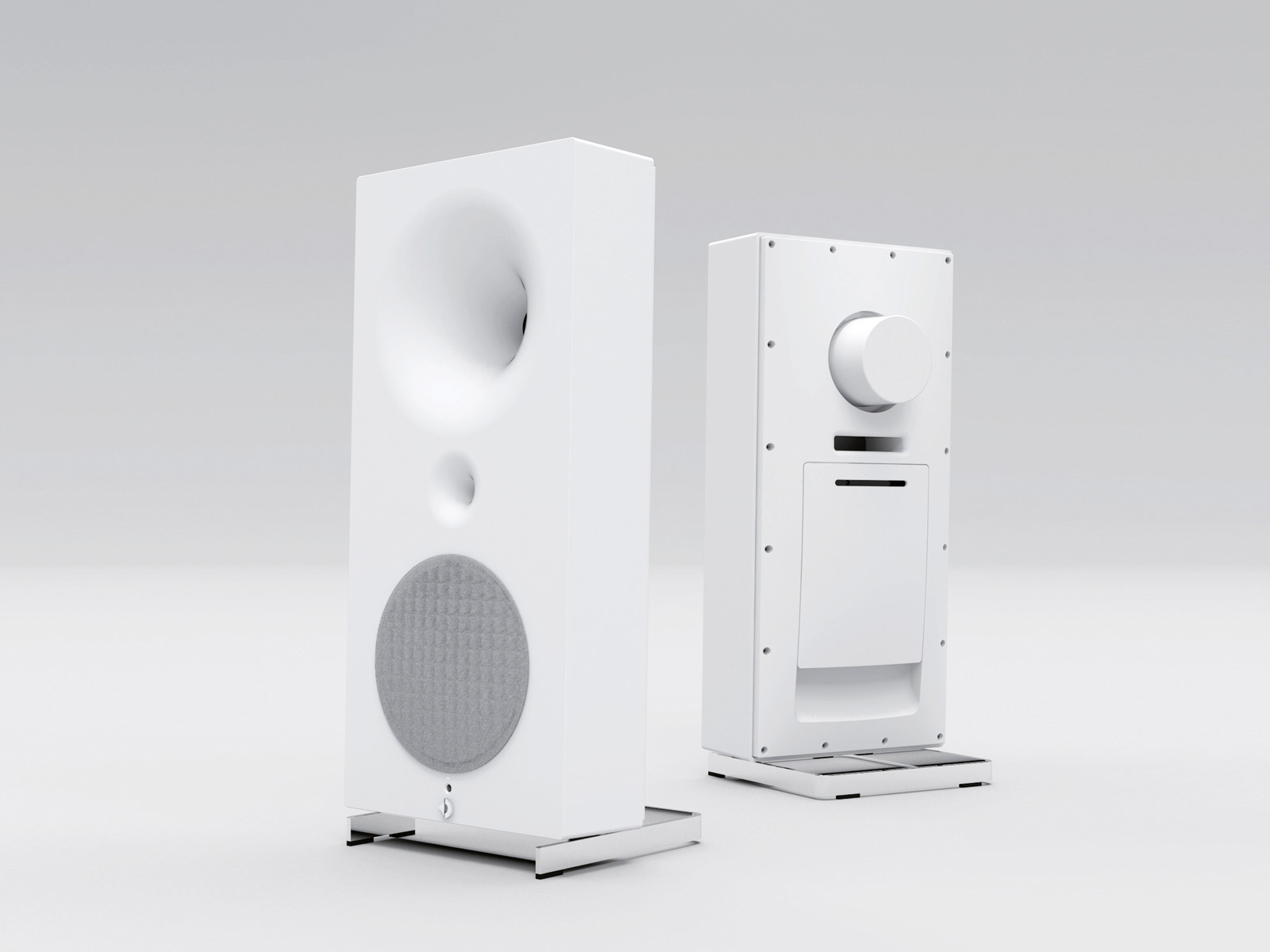
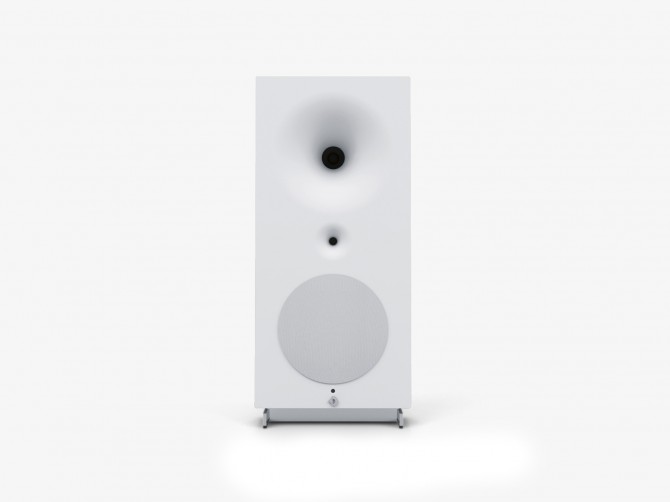
More integrated, compact and simple, and yet a veritable horn loudspeaker—to the very last decibel. The ZERO 1 is a dream come true—one that we have shared with many friends of our horn loudspeaker factory for over twenty years. After all, as fascinated, moved and amazed we may be by our larger acoustic transducers, we have always longed for a more compact horn loudspeaker to make the incomparable experience of Avantgarde Acoustic accessible to a wider audience of audio enthusiasts.
The ZERO 1 opens up this new road with a revolutionary size, simplified shape, hassle-free setup and fully integrated processor and amplifier technology.
Size and Design
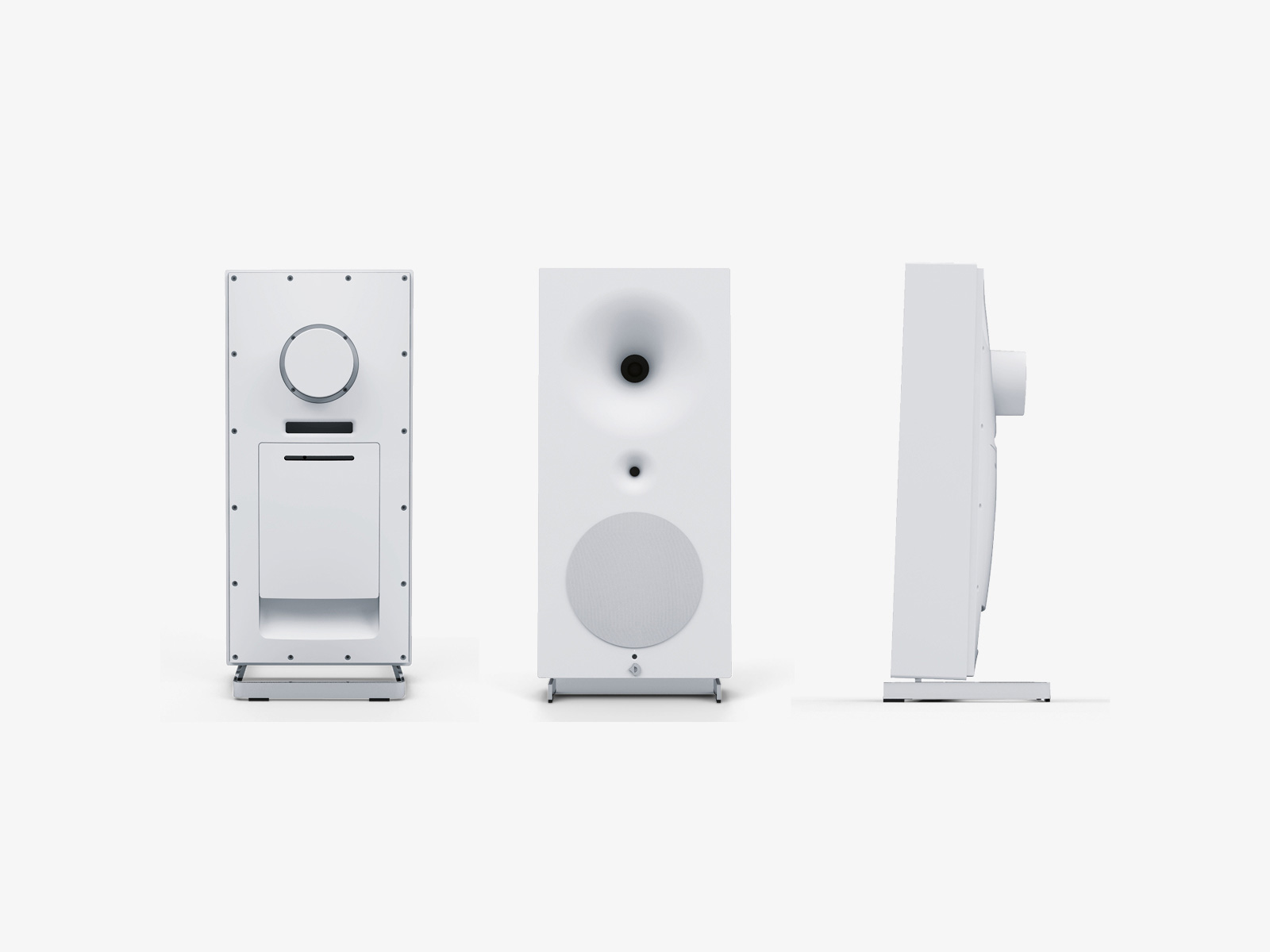
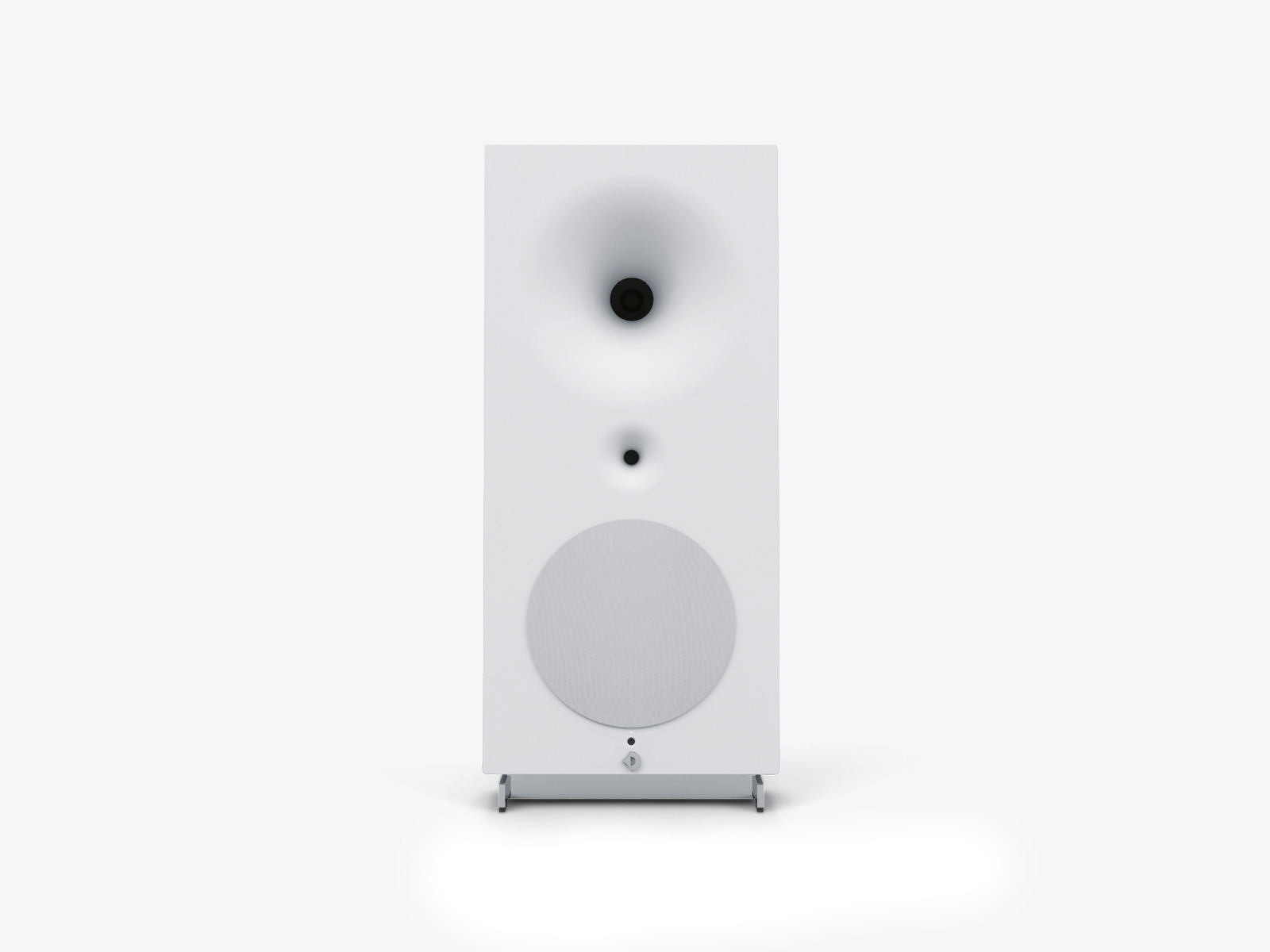
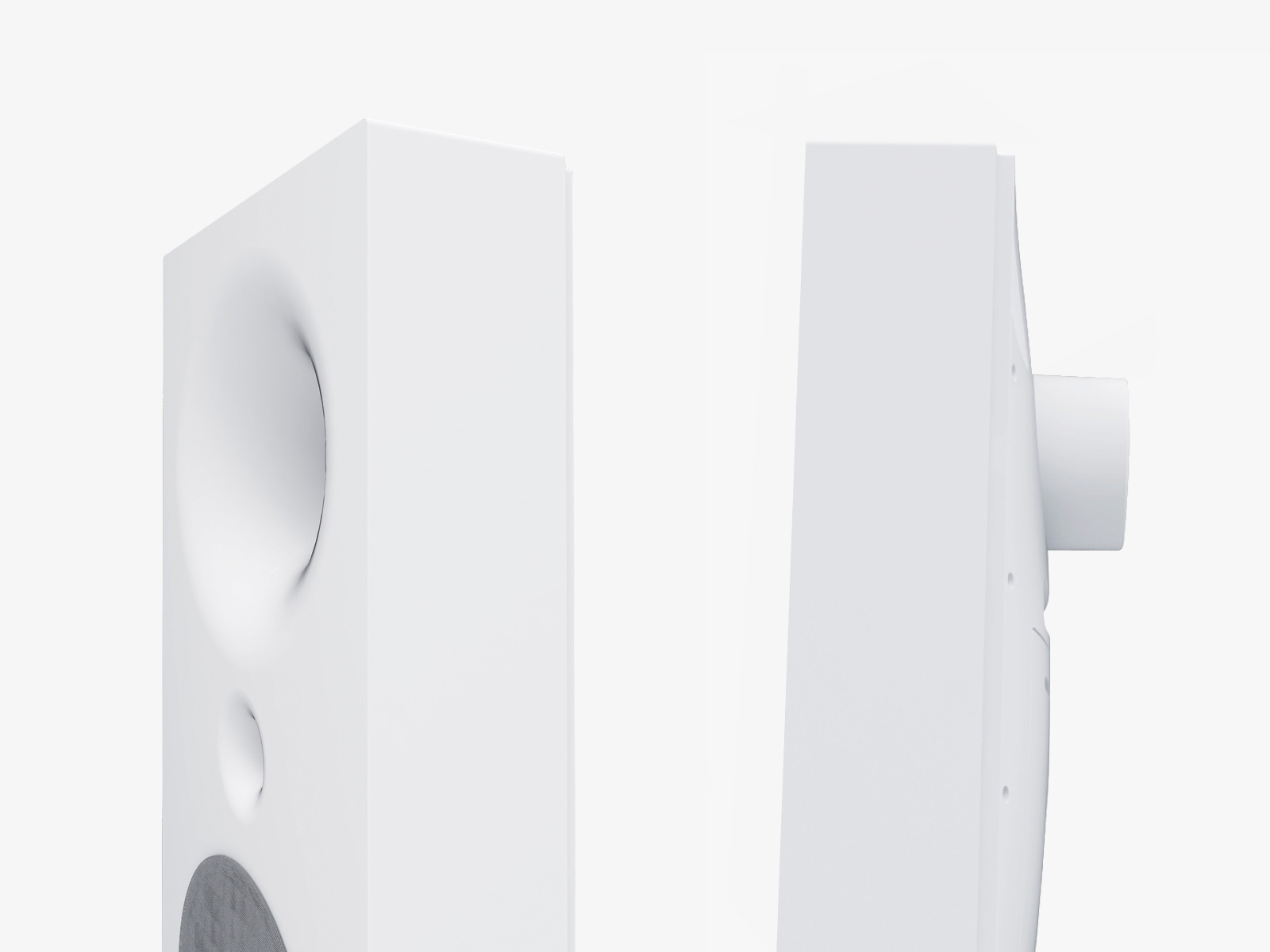
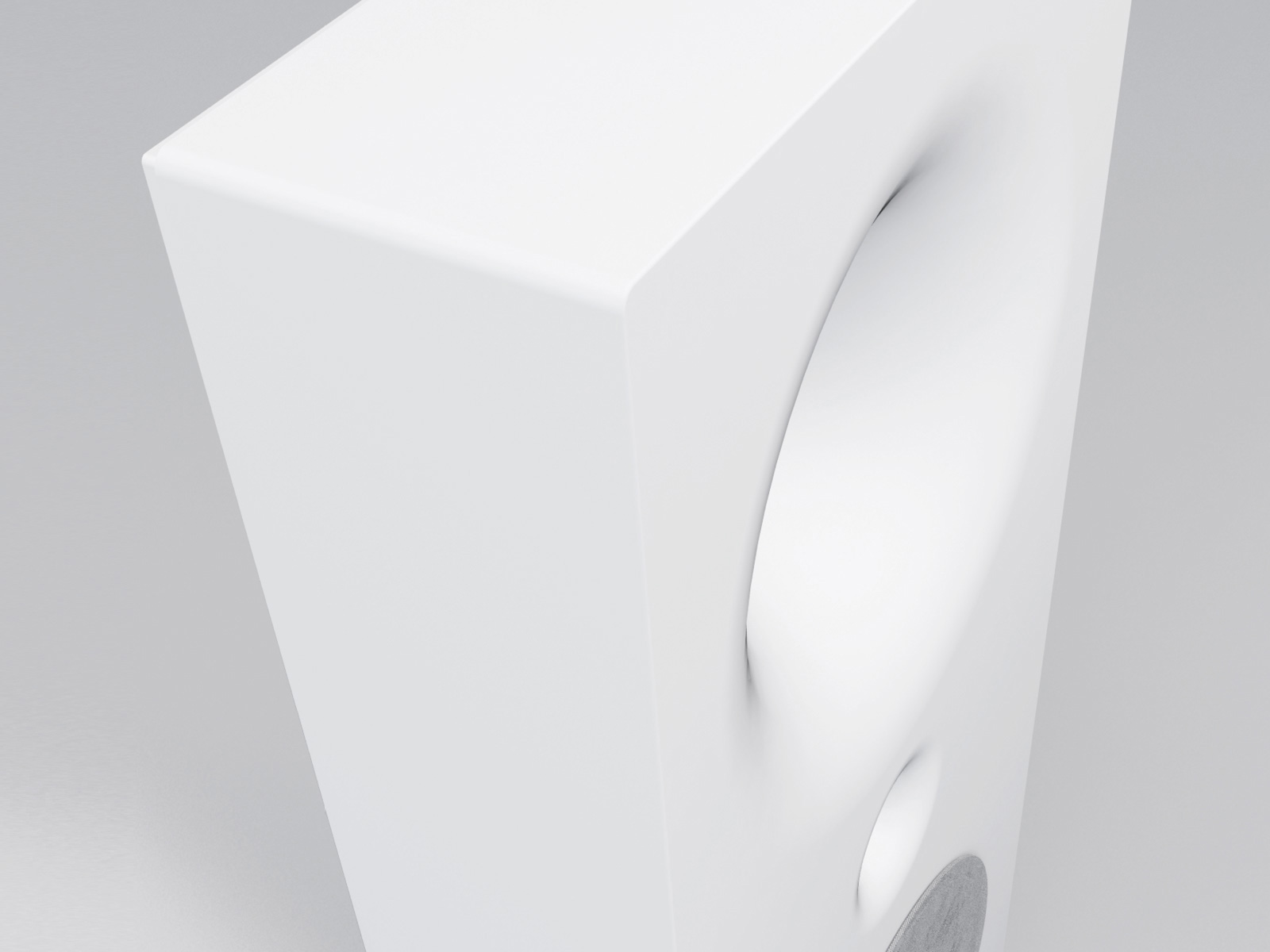
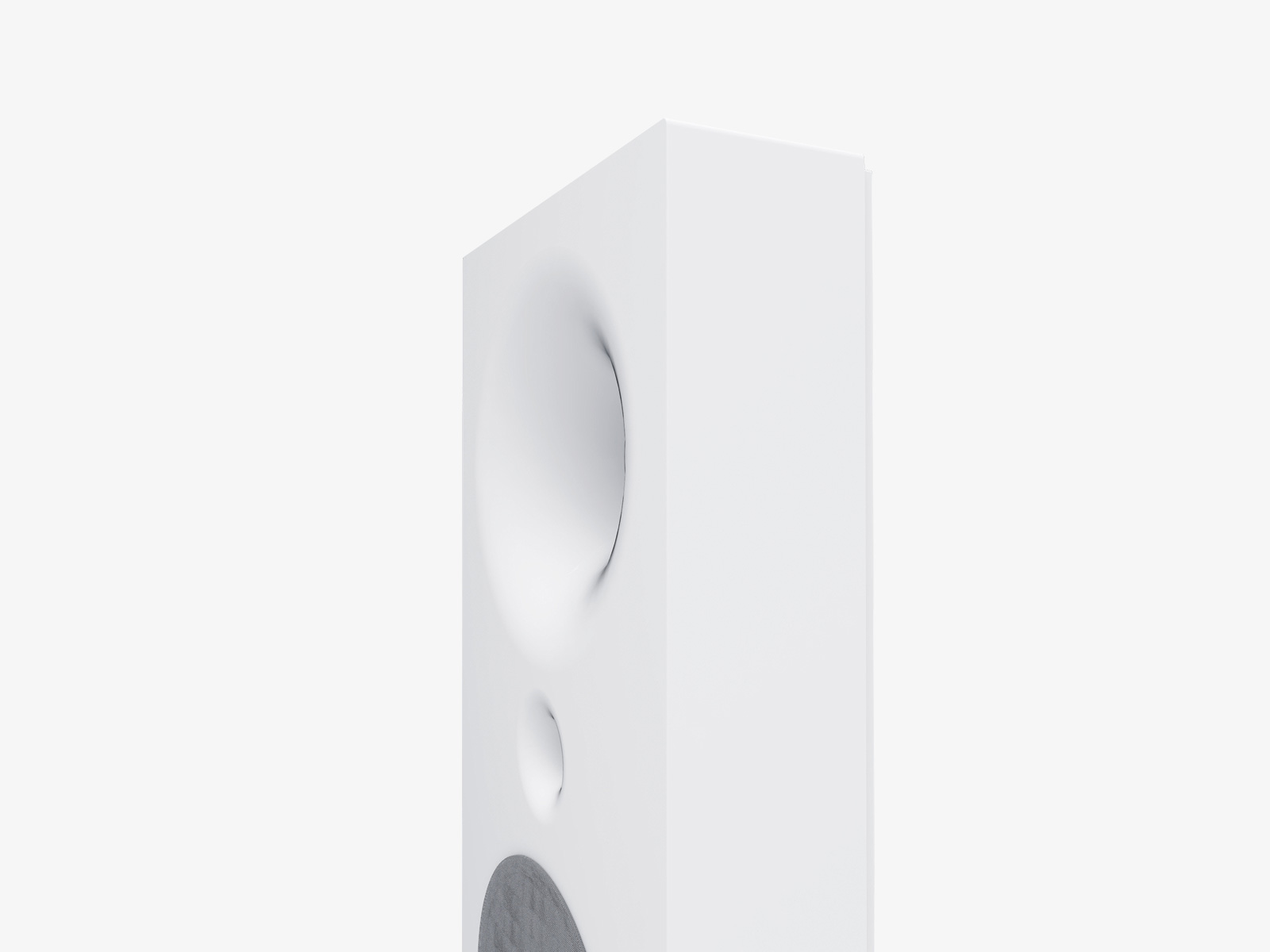
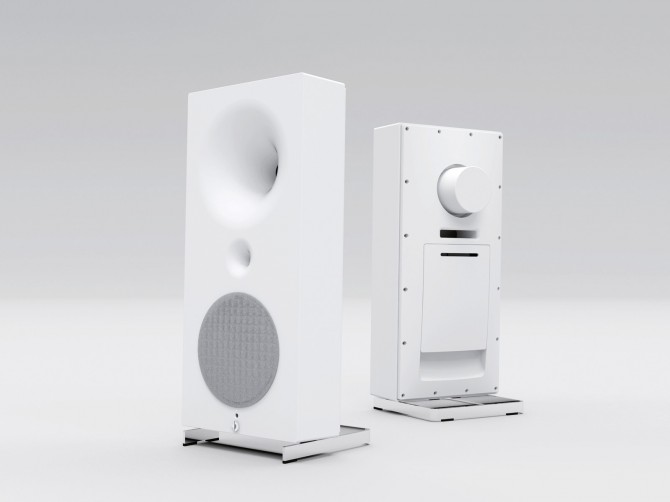
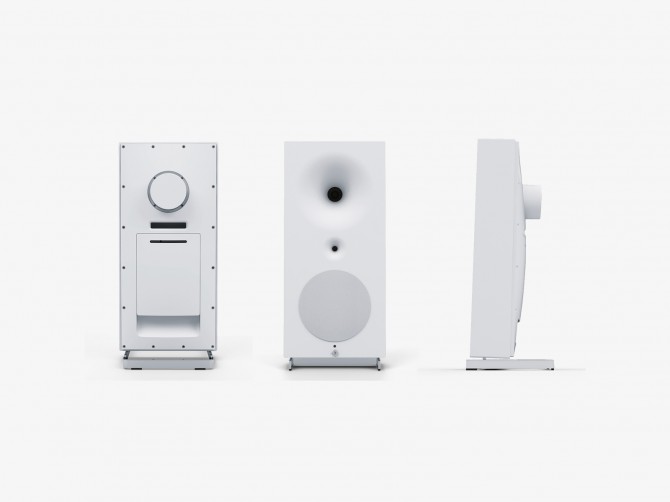
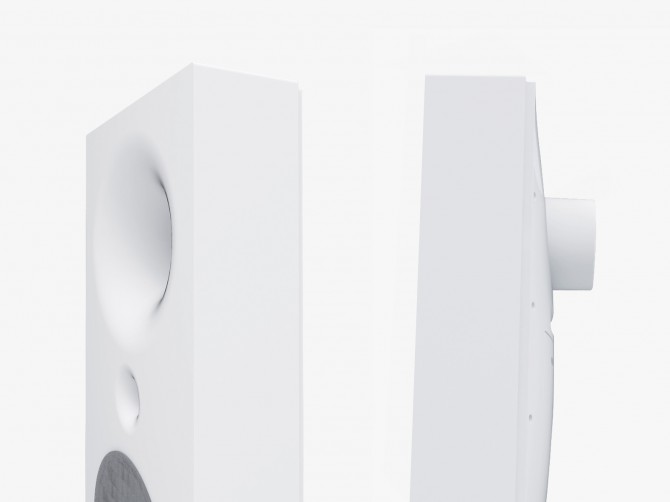
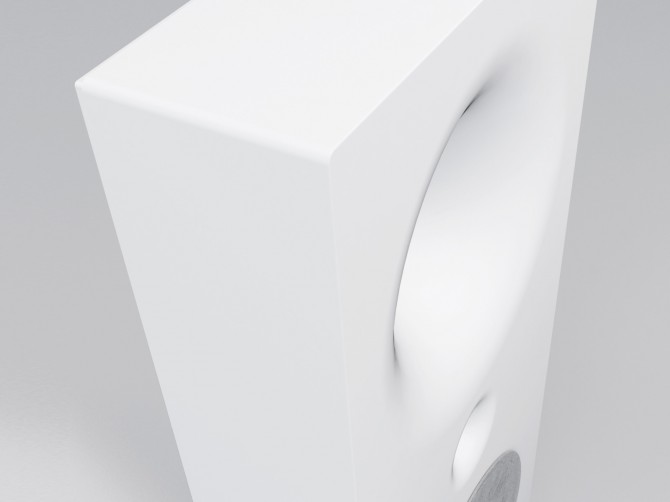
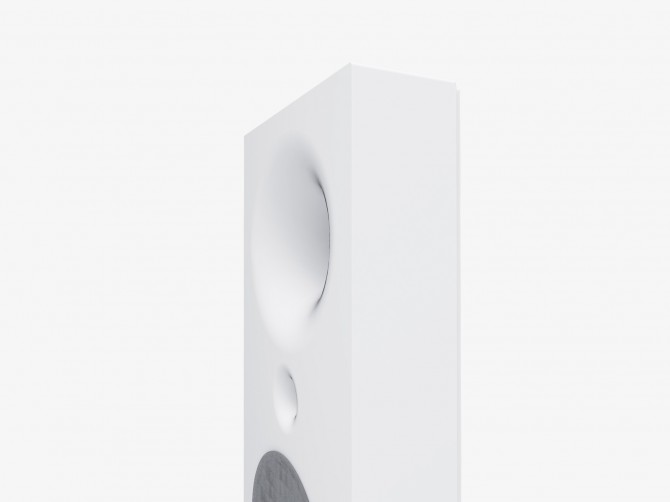
Despite its clear, simplified shape and compact size, the ZERO 1 is brim-full of self confidence as it seamlessly integrated into its owner’s living environment. Moreover, its recessed spherical wave horn is a shining example of functional beauty.
Maximum Integration
Digital processors, analogue-to-digital converters, power amplifiers and loudspeakers—all in a fully integrated system. And more importantly: all of a level of high-end quality hitherto unseen in this category.
Plug & Play Installation
The loudspeakers communicate with each other via a radio link. They only need to be hooked up to the mains with the digital input of the master loudspeaker connected to the music signal (e.g. via AirPort Express*). That’s it.
The basics up front: A full-fledged horn system, the ZERO 1 has all of the tonal advantages provided by horn technology—the most original and natural acoustic transducer principle. Each of the two horns is driven by a 50-watt power amplifier. Without delay or distortion, sound explodes out of the mid-range and treble horns with extreme dynamism and an impressive efficiency of about 104 dB. This presentation is accompanied by the bass woofer working in tandem with a dedicated 400-watt power amplifier, delivering a spectacular rendition of Avantgarde Acoustic’s “Purity Meets Performance” credo.
However, the technological quantum leap taken by the ZERO 1 comes courtesy of the perfection of the digital audio chain. The ZERO 1 succeeds in processing digital signals in uncompromising quality and transmitting them directly to the drivers without taking loss-making detours via passive filters. This is made possible by extremely sophisticated digital processing which is a trailblazer in terms of quality.
Simpler, freer and less complicated—the ZERO 1 philosophy is also reflected in its multitude of inputs. So that all you have to worry about is the music!
Digital Inputs
USB, Toslink, SPDIF and the professional AES/EBU input—this covers the entire range of commonly used digital interfaces. However, due to the vast range of standards and frequent codex updates, as a timeless high-end loudspeaker, the ZERO 1 renounces a built-in wireless interface. Nevertheless, you can easily use the ZERO 1 as a WLAN loudspeaker via the wireless receiver of your choice (e.g. AirPort Express).
Analogue Inputs
Sine the ZERO 1 comes with a digital FPGA front end, analogue signals (e.g. from turntables, amplifiers or measuring microphones) must first be digitized. The input board has an empty slot for this purpose. It can be fitted with an AD board without having to open the loudspeaker cabinet.
The ZERO 1 is completely different than anything else we have produced so far. And yet it sounds so amazingly familiar. “Purity Meets Performance”—when listening to the ZERO 1, we immediately realize that we have an Avantgarde Acoustics horn loudspeaker in front of us. An acoustic transducer from the high-end factory, which has been drawing on its understanding of tonal perfection for over 20 years to turn the superlative into a benchmark. An ambition that has left its mark on each and every detail of the process of creating the ZERO 1.
From the material used to craft the cabinet and horn—a highly innovative ABS polymer with outstanding tonal properties—via ground-breaking FPGA processing which redefines digital quality through a series of filtering features to top-notch amplification technology, every component radiates our passionate and uncompromising approach.
This culminates in an acoustic transducer with a convincing concept and amazing tonal presentation. A loudspeaker that is the first of its kind. Because it was created for an era that has just begun.
A common challenge faced by digital signal processing is the amount of data needed to perform complex calculations. This is why the bit rate is usually reduced in conventional DSPs, resulting in rounding errors and what is known as rounding noise. The ZERO 1 solves this elementary problem with more intelligent, higher-performance FPGA processing of up to 66 bits.
FINITE IMPULSE RESPONSE FILTER
Precise down to one-millionth of a second, the FIR filter provides a sensational impulse response. This means that the 3 channels (bass, midrange and tweeter) reproduce music in absolute synchronicity. Moreover, thanks to the FIR filter the ZERO 1 has perfect phase characteristics, with deviations of less than 5 degrees. By comparison, your average loudspeaker has maximum deviations of 500 to 1,500 degrees.
PROGRESSIVE STEEPNESS FILTER
The ZERO 1 uses progressive steepness filters. To obtain optimum impulse characteristics, a 6 dB filter is used at the crossover point, after which it becomes progressively steeper until 100 dB. The tonal advantages run the gamut from outstanding impulse responses via an extremely strong filtering and blocking effect to the elimination of unnecessary driver strain and ringing effects.
24-BIT CONVERTER CHIPS
When processing the digital signal of the music source and filtering it for the 6 drivers, the ZERO 1 operates in the digital domain—and thus loss- and error-free— for as long as possible. Only in the end does the digital-to-analogue conversion take place. Very high-value 24-bit converter chips by the renowned manufacturer Burr & Brown are used for this purpose, ensuring that the precision of the upstream signal path is maintained during the analogue conversion process.
MASTER-SLAVE WIRELESS CONNECTIVITY
Master and slave connections between ZERO 1 loudspeakers are wireless—eliminating the need for cables. Although this simplifies setup considerably, it is important that the wireless connection does not deteriorate the sound in any way. The ZERO 1 provides tonal perfection by transmitting the volume over a dedicated wireless channel, applying it only once it has arrived at the slave. The data transfer rate is 44.1 kHz at 16 bits and is bit-perfect. Another measure taken to achieve this is to delay the master by less than 2 microseconds in order to make up for the time needed to process the radio link. This ensures that the master and slave’s musical output is absolutely synchronous.

« 古い記事
新しい記事 »