海外ニュース速報 [World]
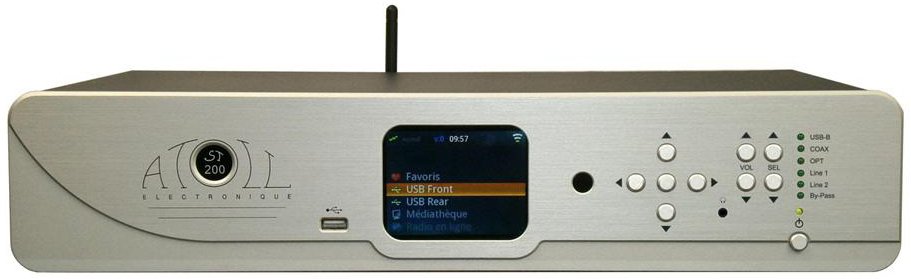
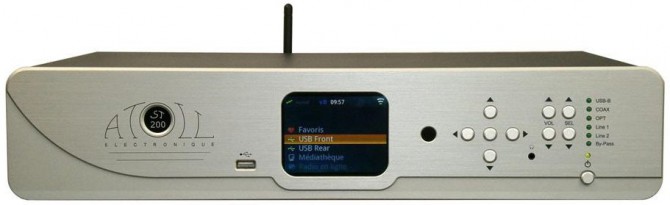
Atoll Electroniqueから、ネットワークプレーヤー「ST100」「ST200」が発売になっています。
ATOLL STREAMERS
ST100
ST200
Internet Radio:
– With a WIFI or Extranet (RJ45) connection, direct access to internet radios (MP3 or HD) by the vTuner system: choice in 15000 stations, 120 countries, 56 genres, podcasts…
– Radio’s logos displays and all information’s available (titles, artists…)
Network:
All audio files link to the network can be read.
Displays of all information’s (covers, files names, time…)
“gapless” system (uninterrupted playback of consecutive audio tracks)
Readable formats: FLAC/WAV 176.7kHz & 192kHz/24bits, ALAC, AIFF, MP3…
Possible update via internet (available soon).
DAC & Pre-amp / connectings:
– 2 USB «A » Inputs (1 front & 1 rear).
– 3 digital Inputs :
– 1 USB « B » (24 bits/96KHz)
– 1 Coaxial SPDIF (24 bits/192KHz)
– 1 Optical SPDIF (24 bits/192KHz)
(Burr-Brown PCM1792 Converter for the ST200 and PCM1796 for the ST100)
– 2 analog Inputs
– 1 RJ45 network link
– 1 Wifi antenna
– 1 pair of analog RCA Output
– 1 digital Output (coaxial)
– 1 digital Output (Optical)
– 1 headphones Output (on front panel)
End users:
– 3,5″ QVGA TFT color display
– All functions available from the front panel and the remote control
– Serial remote control (volume control, Inputs selection, web radio setup…)
– Control with a free downloaded Apple® or Androïd® app. (available soon).
Audio specs:
– Symmetrical outputs stages with discrete components polarized in A class
– Analog volume control (with commutated resistors) with possible By-Pass
– Transformer specifically dedicated to audio stages (3,6VA for ST100 – 5VA for ST200)
– MKT capacitors for audio links (2,2μF for ST100 – 10μF for ST200)
1,5mm steel chassis
Aluminum front panel (black or silver) of 4mm (ST100) and 8mm (ST200).
Dimensions: 440*290*90 mm
Weight: 5 Kg (ST100) – 5,5Kg (ST200)
Atoll Electronique ST100-ST200 GB
海外ニュース速報 [World]
Only the Momentum preamplifier can deliver the sound quality necessary to get the maximum possible performance from the Momentum monoblock and stereo amps.
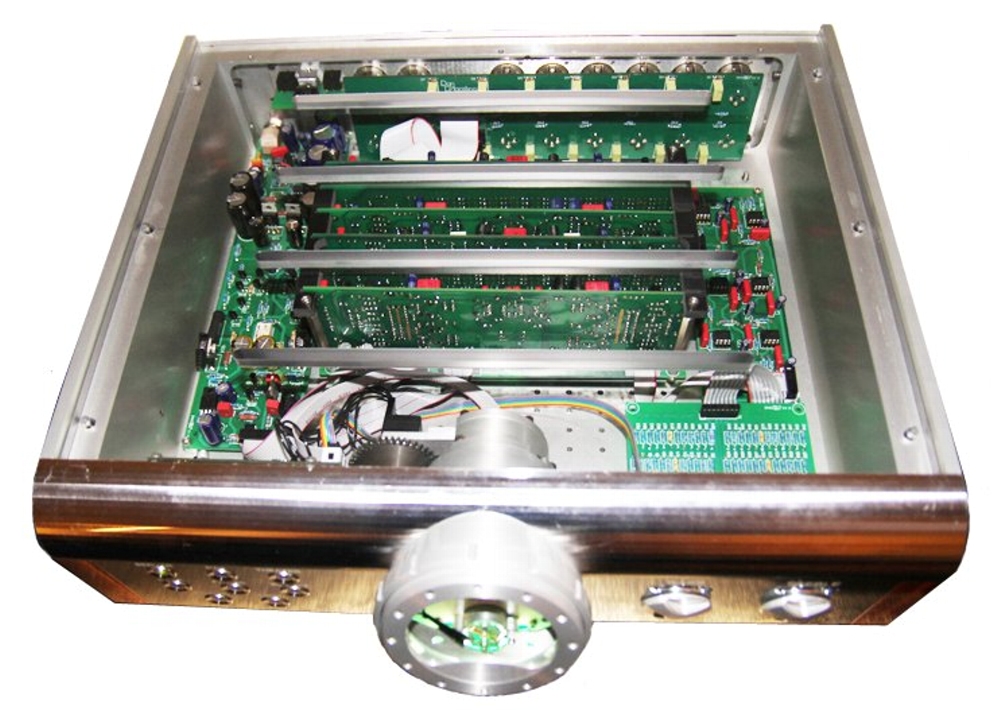
Like the Momentum amplifiers, the preamplifier uses complementary balanced circuit topology for maximum bandwidth and low noise. Its audio circuitry is fully discrete, with no op amps. Zero-feedback design assures the most musical sound quality. Volume adjustment is made through a resistor ladder governed by an optical controller—the cleanest, most transparent possible method of controlling volume.
A 300 VA power supply in a separate chassis isolates the preamp’s sensitive circuitry from electromagnetic interference and noise. Separate supplies power audio and control circuitry, so the control circuits are completely isolated from the audio circuits.
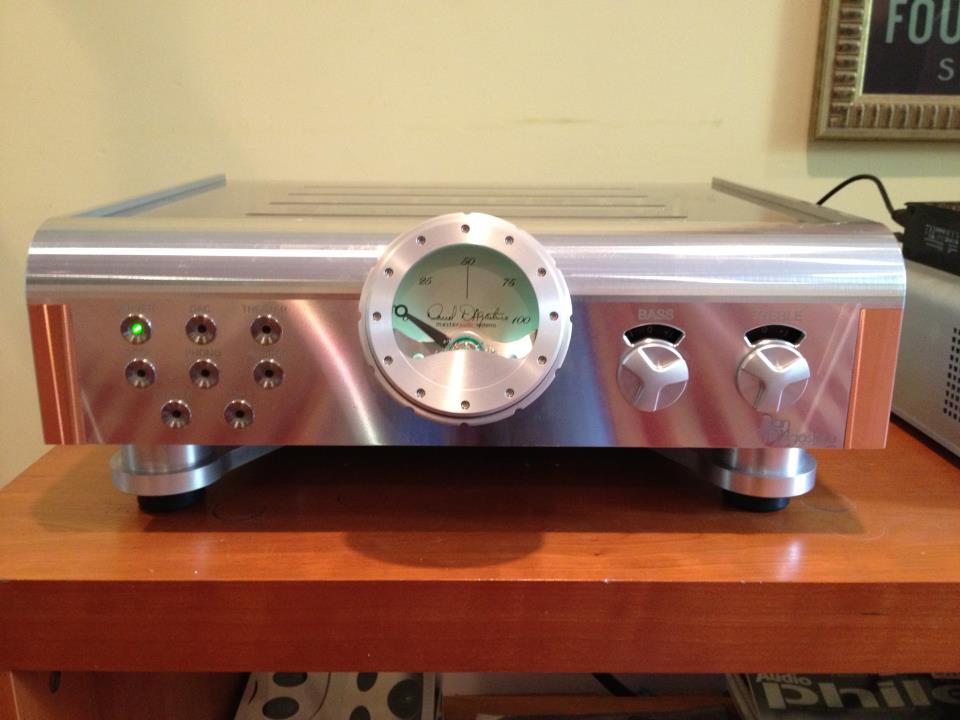
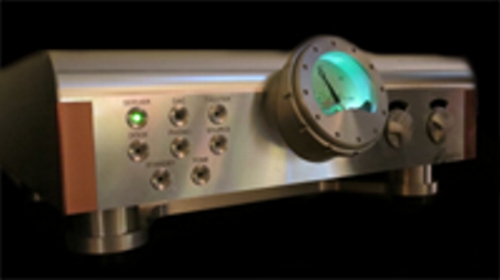
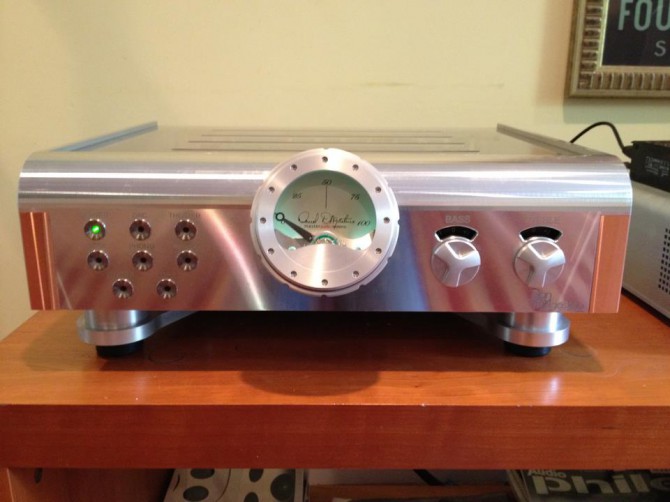
The styling of the Momentum preamp perfectly complements the Momentum amplifiers, with copper accents to match the amplifiers’ unique copper heat sinks. The meter on the front face of the preamp indicates the volume setting, and a ring around the meter controls the volume. The front selector buttons illuminate to show which input is active. A radio-frequency (RF) remote control that works through walls is included.
Just like the Momentum amplifiers, the preamp uses through-hole construction and is hand-built and individually tested in D’Agostino’s Connecticut facility.
SPECIFICATIONS
Inputs: 6 inputs (with theater through put)
Outputs: 2 output
Dimensions, preamp : 18 x 12.5 x 7 in.
海外ニュース速報 [World]
国内予価: 580万円
FOR IMMEDIATE RELEASE
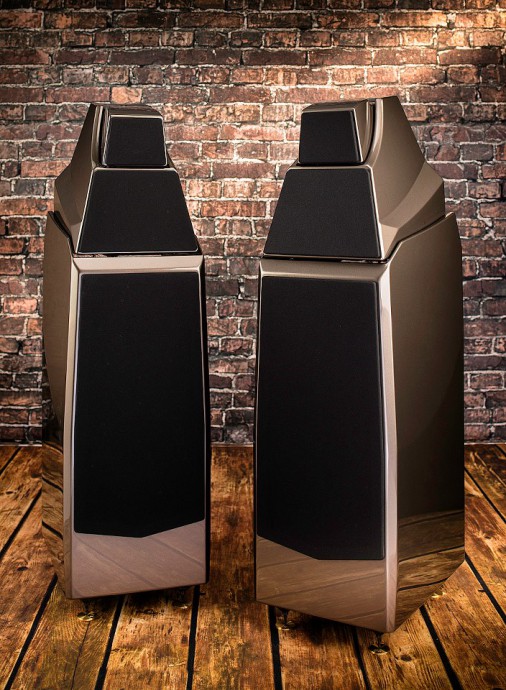
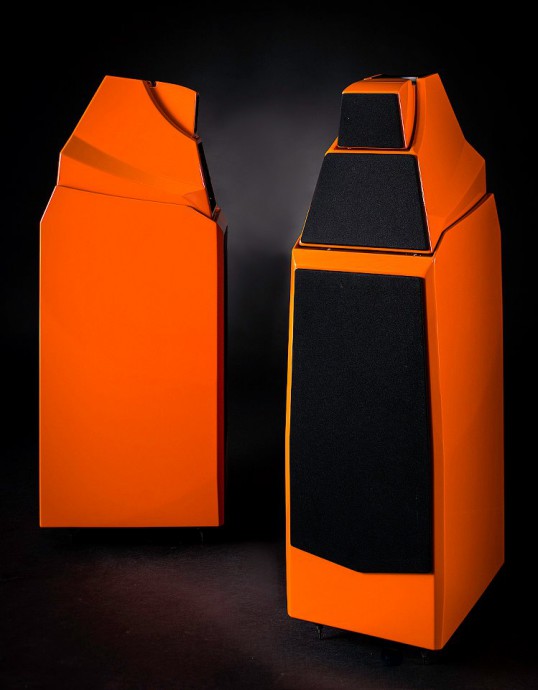
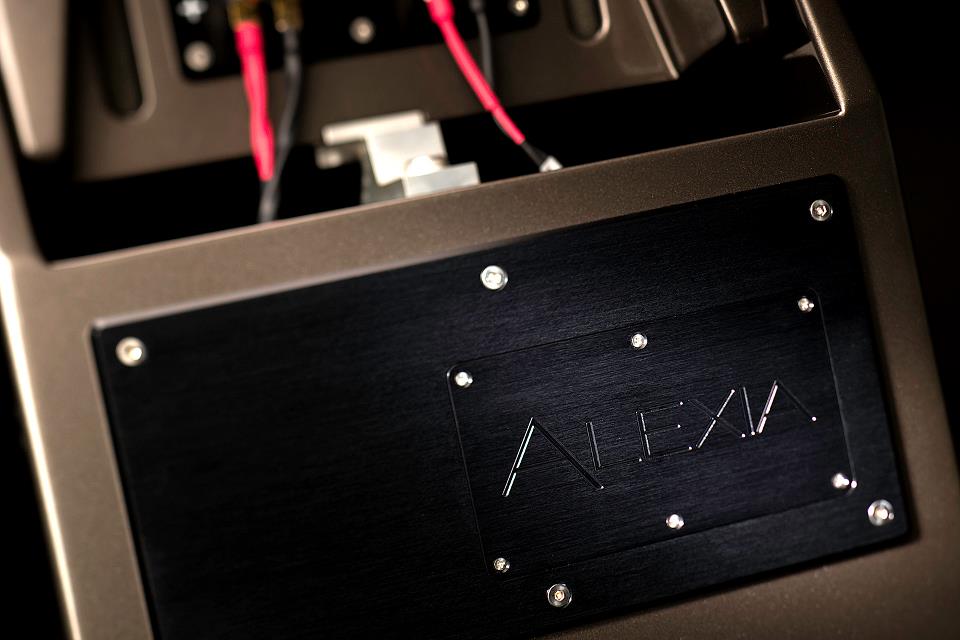
Wilson Audio Introduces the All-new Alexia
September 15, 2012

 We are very pleased and excited to introduce the all-new Alexia.
A Beautiful Form Born of a Complex Function:
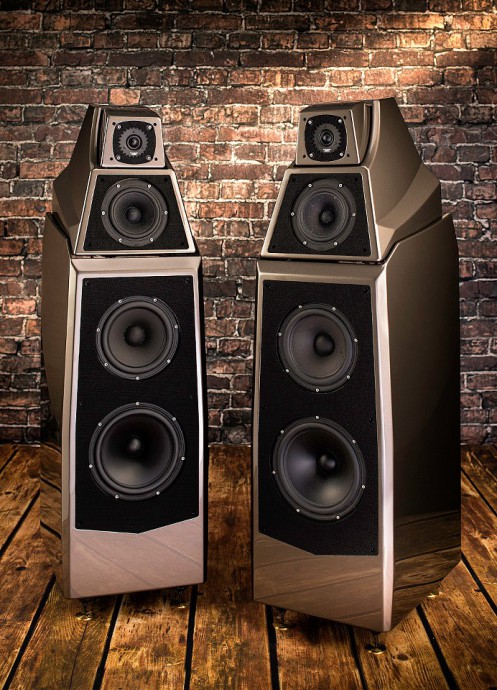
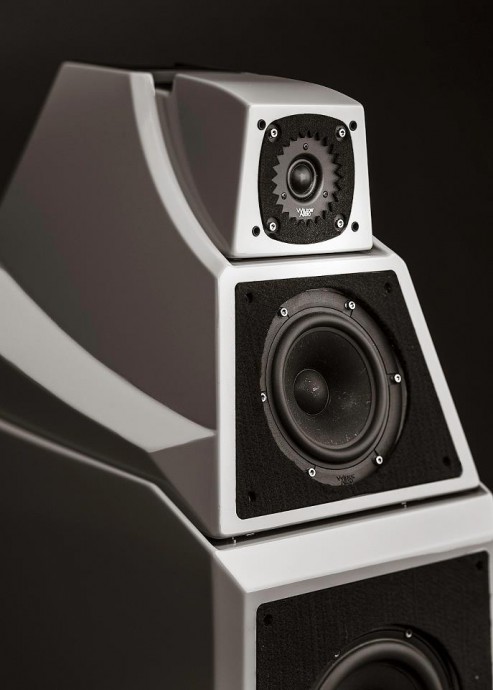
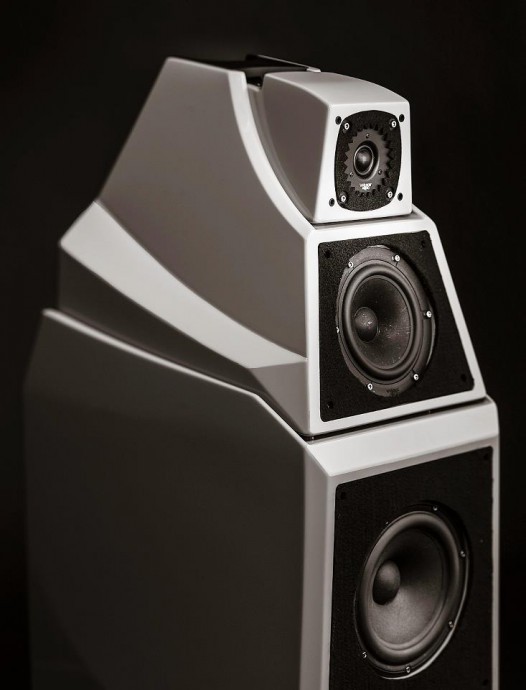
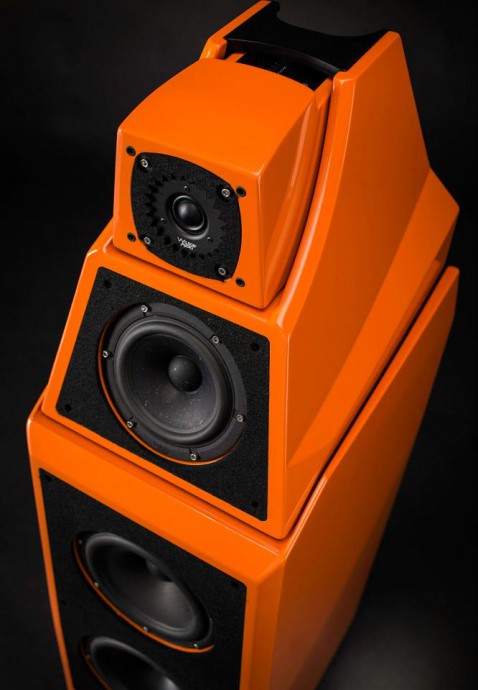
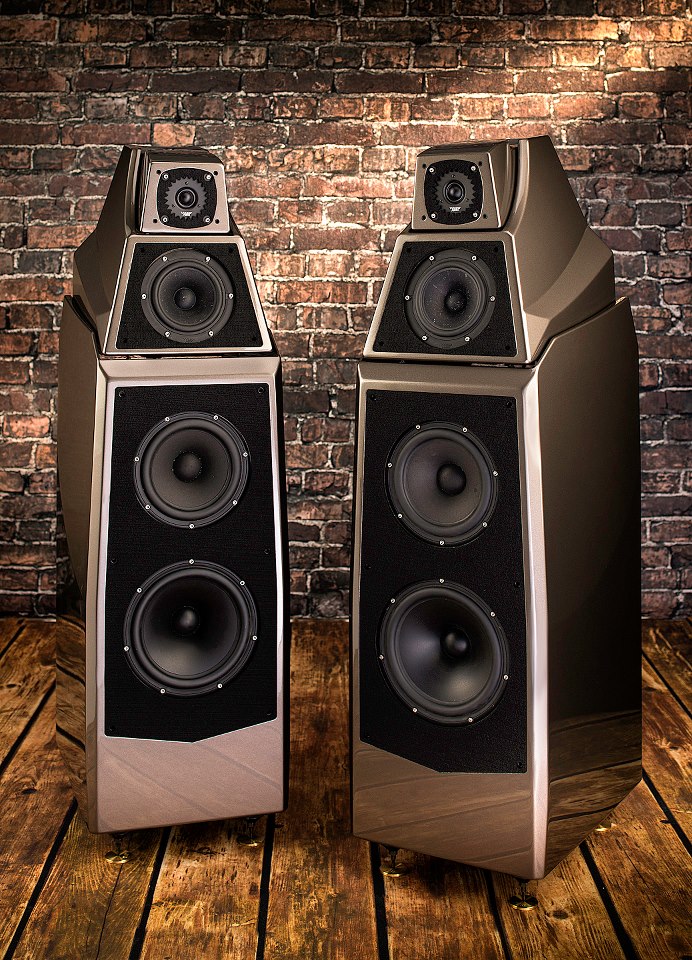
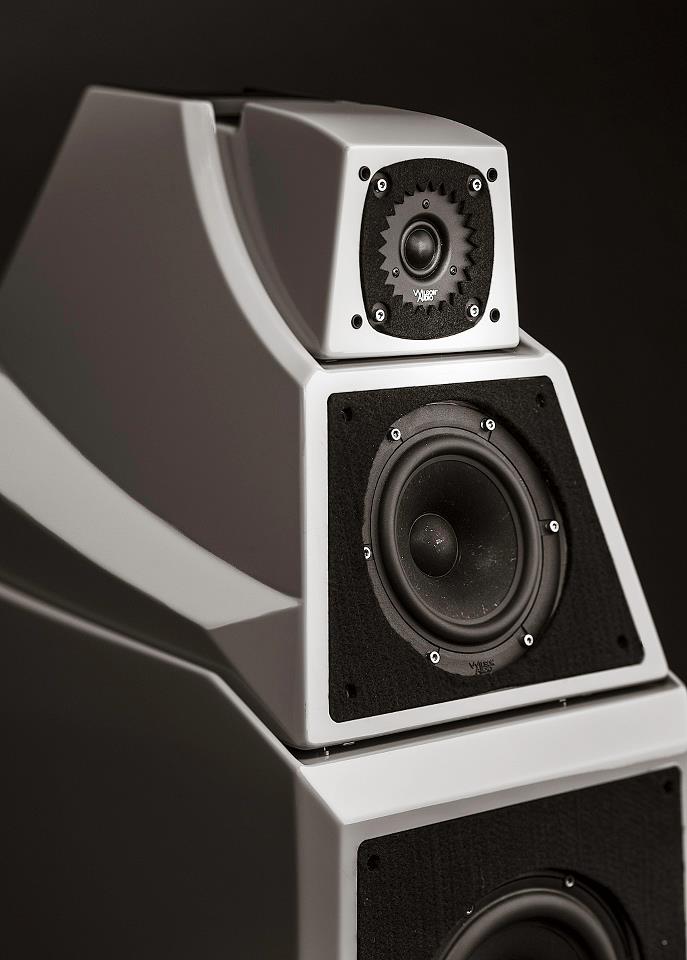
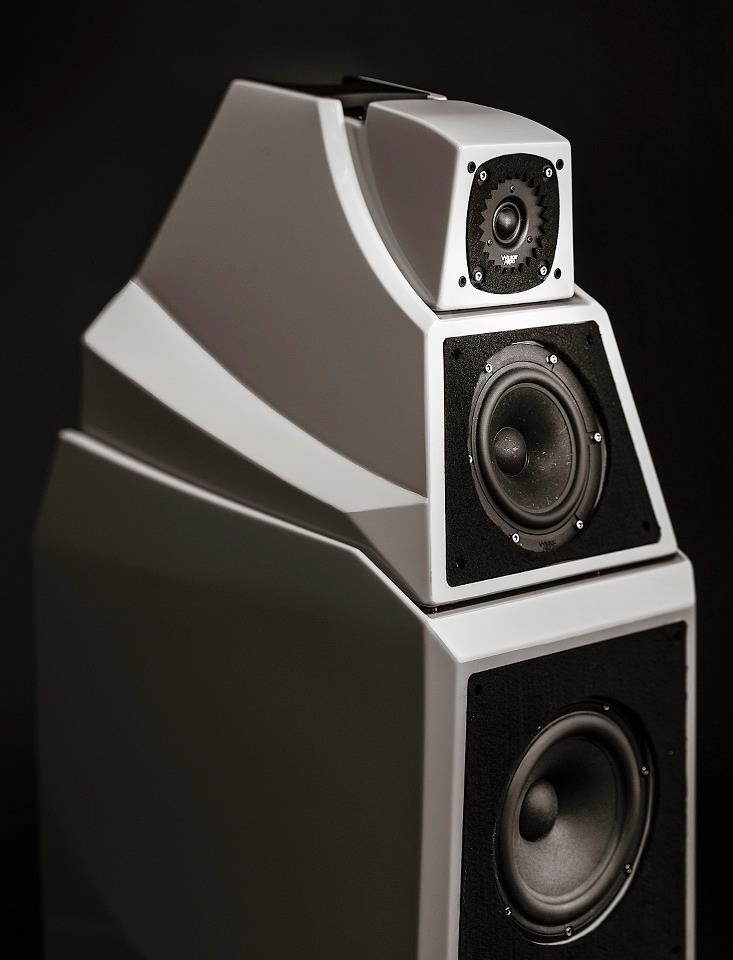
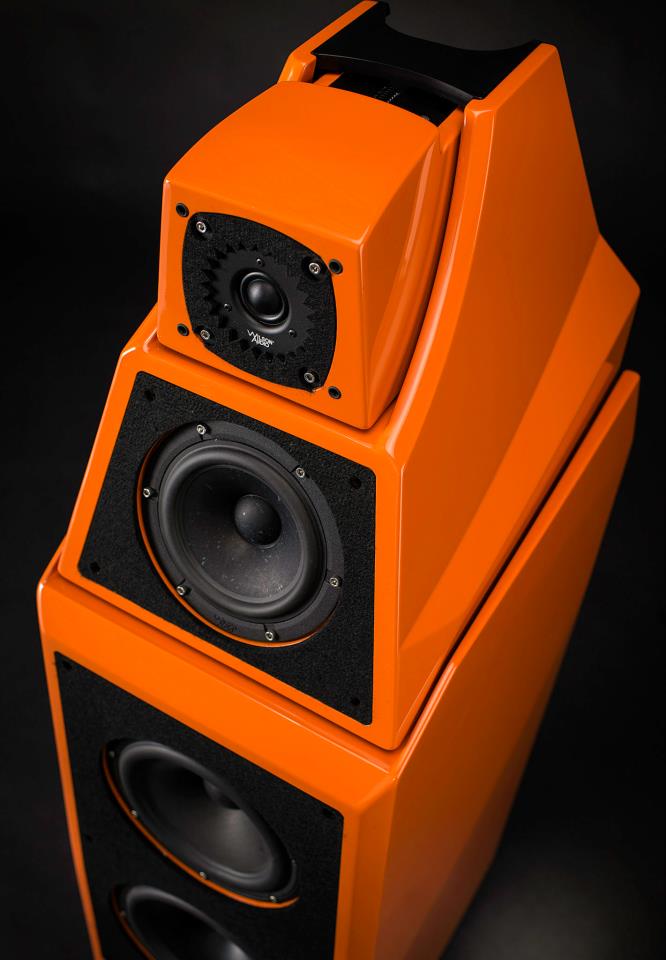
Alexia is a truly modular system. Where Sasha is a two-module platform, with the midrange and tweeter drivers mounted in the same enclosure, Alexia’s midrange and tweeter are each housed in their own custom-designed module. The decision to engineer a totally modular platform introduced several design challenges related to maintaining a compact and cosmetically elegant superstructure. The MAXX and Alexandria employ a separate ladder housing to support their respective upper modules and to facilitate time-domain adjustability. It was decided early on that the ladder approach was incompatible with the desired Sasha-like form factor. After evolving through several iterations, the final design incorporates the tweeter module’s support system and propagation delay adjustment within the structure of the midrange module.
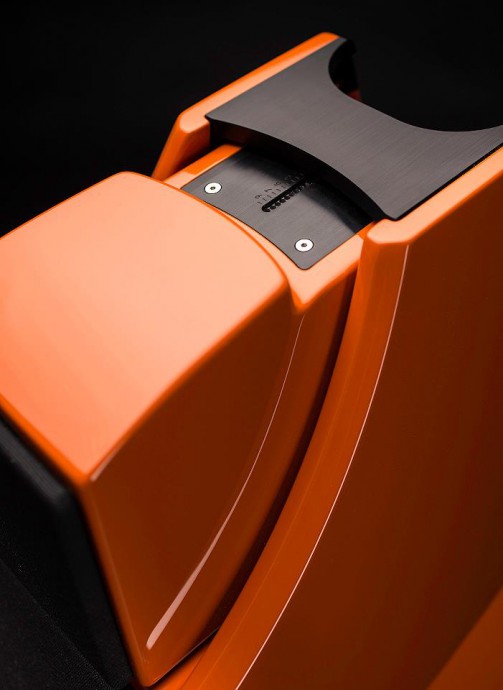
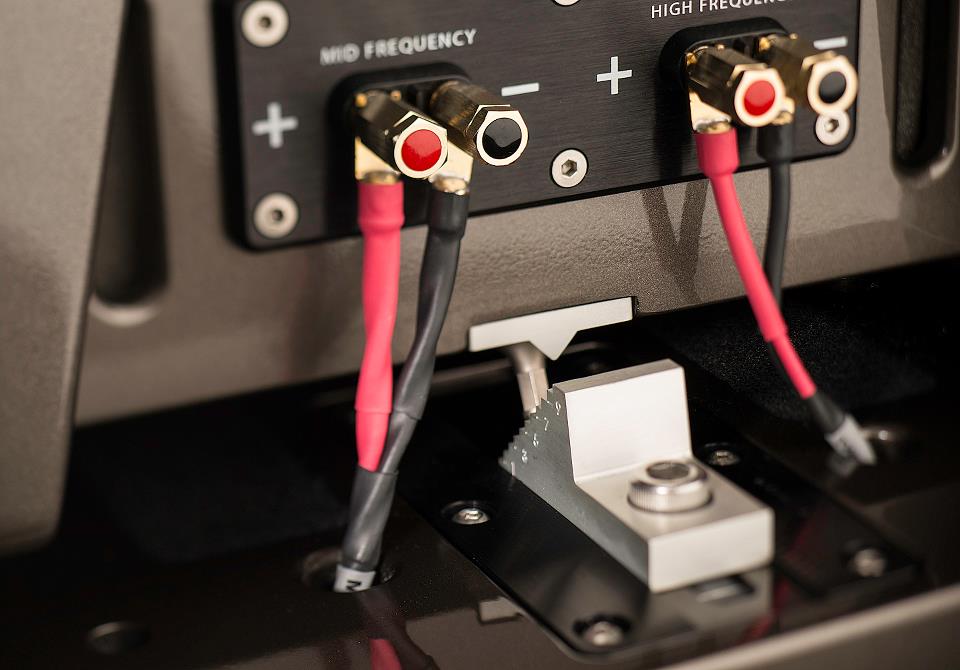
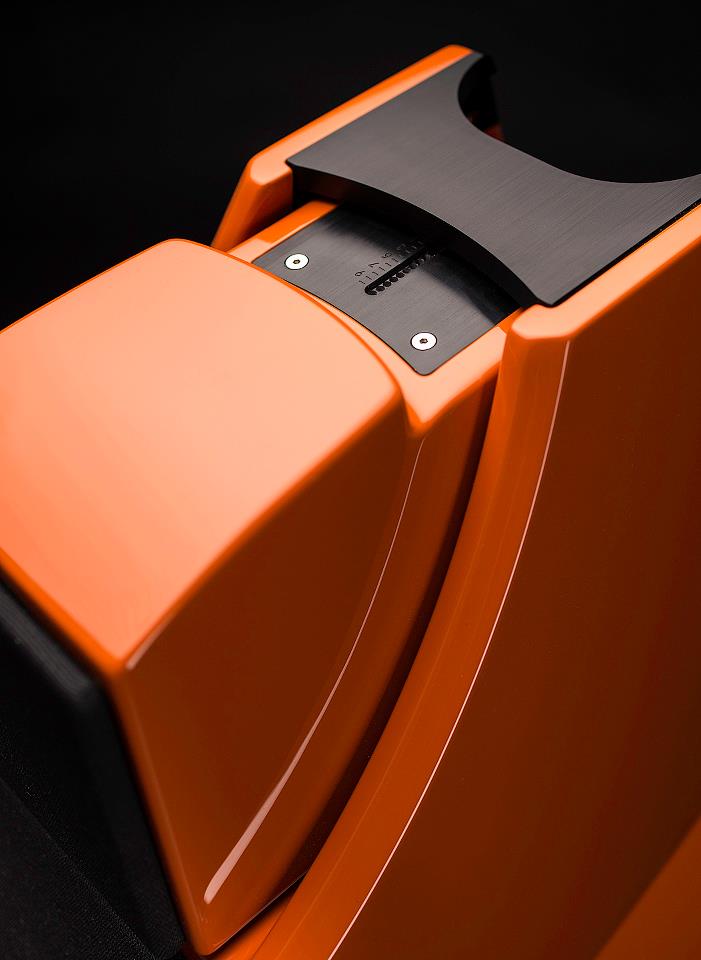
 Alexia’s upper two modules are capable of very minute adjustments in the time-domain. Aspherical group delay technology, first implemented in Wilson’s flagship, Alexandria, has been incorporated into the Alexia design. To realize the complexities of both driver-axis tuning and time alignment, the midrange/tweeter assembly uses a combination of a captive spike and three additional spikes of different lengths, which in turn rest on a ten-step alignment block borrowed from the Maxx. The entire two-module assembly also moves fore-to-aft, along eight positions. The tweeter is separately adjustable in its relationship to the midrange module and, in turn, to the entire loudspeaker. A complex milled aluminum cross member is mounted above the tweeter module. It is a physical extension of the midrange module, bridging the open area along its upper section. The cross member serves two important functions: it enables exceptionally precise adjustment of the tweeter along ten separate steps; and, it provides an enormously rigid brace, adding strength and stiffness to the already very low resonance midrange module.
By way of comparison, the Sasha features a total of four spikes, which serve to rotate the single upper module to four separate positions. In contrast, both Alexia’s tweeter and midrange modules are adjustable independently, both moving front-to-back, accounting for the time alignment of each driver. Additionally, Aspherical Group Delay technology allows the modules to be rotated for optimum axis performance. All of which means Alexia can be adjusted in hundreds of different combinations to accurately accommodate a nearly limitless variety of listening configurations. The exact location of both upper modules is based on the specific geometry of each room and the location of the listener. Each module’s position is precisely specified in the provided owner’s manual. The Alexia’s measured time-domain accuracy surpasses all previous designs with the exception of the remarkable Alexandria XLF, which it equals.

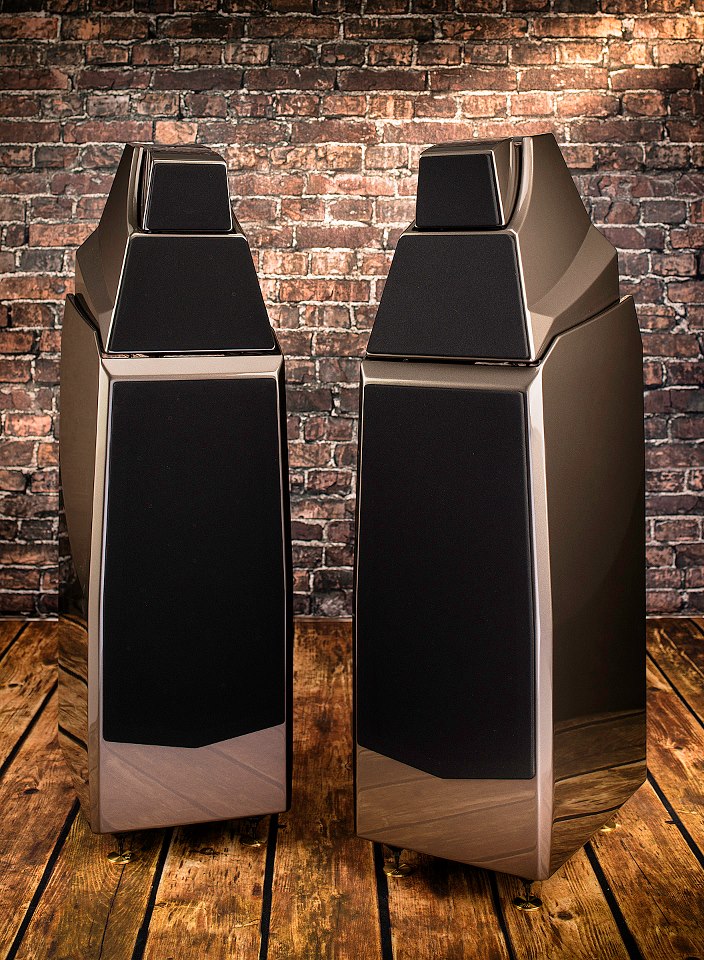
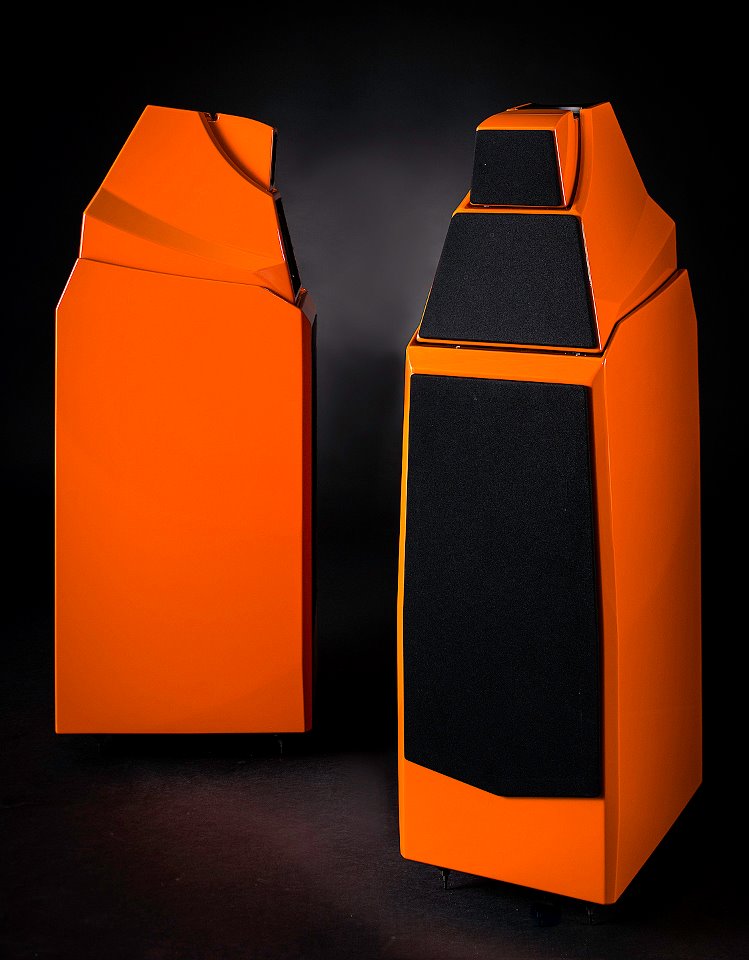
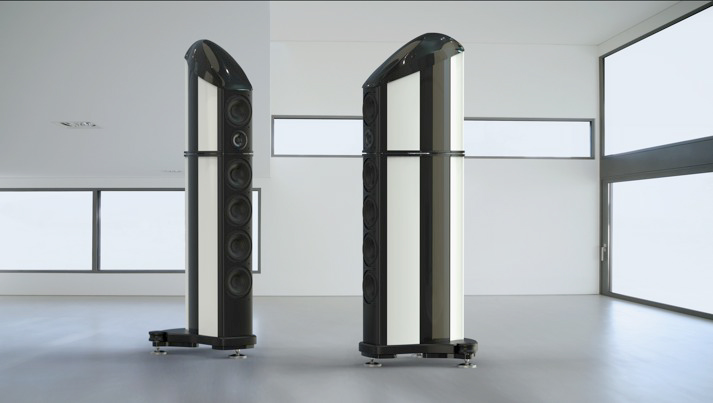
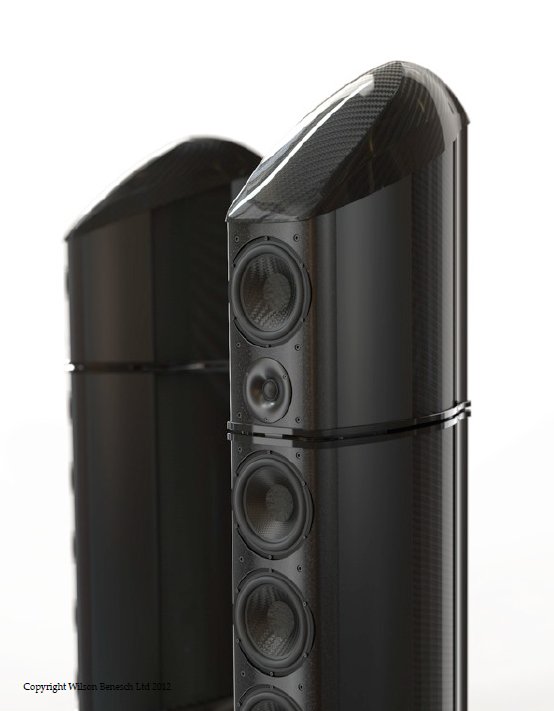
Alexia’s form factor is similar to the Sasha W/P, even sharing its room-friendly footprint. It is just short of ten-inches taller, most of which is dedicated to greater volume in the bass enclosure. Alexia is much more ambitious and complex, inheriting much of its technology and overall sonic personality from Wilson’s flagship, the Alexandria XLF. The complexity and sophistication of the Alexia’s modular system yields huge dividends. Chiefly, it allows for far greater propagation delay adjustment, which, in turn, results in greater transient accuracy, tonal beauty, spatial retrieval, and musicality.
New Woofers:
 From the beginning, Dave Wilson’s design goal with Alexia was to marry the performance and technology of his larger designs to a more compact and room-friendly platform. When it came to bass performance, he had two priorities. First, build upon the unprecedented speed, tunefulness, and agility of Sasha, and second, add the authority and weight that have, in part, made his large speakers legendary. This meant developing new drivers specifically destined for Alexia.
Anyone familiar with loudspeaker design will tell you it’s very difficult to design an enclosure and crossover that incorporate two different woofer diameters. But, engineering challenges aside, there is no better solution for combining speed and authority. In Alexia, the challenge is heightened given its compact enclosure volumes. Dave Wilson and Vern Credille, Wilson’s lead acoustic and electrical engineer, decided the solution was two new, purpose-designed drivers. Alexia’s new eight and ten-inch woofers serve all the design requirements of Wilson’s two-diameter woofer strategy.
Dave and Vern first successfully implemented the offset-diameter, two-woofer design in the X-1 Grand SLAMM, a speaker notable for, among many other things, its remarkable transient bass speed, dynamics, and authority. The driver strategy has been used in Wilson’s large speakers ever since. Alexia is the first Wilson compact loudspeaker to employ this strategy.
Woofer Enclosure:
When compared to Sasha, Alexia’s woofer cabinet has over eighteen-percent greater volume. This accounts for most of Alexia’s ten-inch height increase over Sasha. The Alexia’s larger enclosure volume was designed to perfectly accommodate the new low frequency drivers. Wilson used the latest laser interferometry to optimize wall thickness and the placement of strategic braces. The Alexia’s woofer enclosure walls, built entirely of Wilson’s proprietary composite, X-Material, are also thicker to better account for the woofer’s greater energy and output. Alexia’s woofer enclosure joins the long legacy of ultra-resonant designs.
XLF Midrange Driver:
 Alexia features the same cellulose fiber/carbon composite midrange driver used in the Alexandria XLF. During development of the Alexandria X-2 Series 2, Dave immersed himself in the study of the experience of live music, culminating in a visit to the Musikverein Concert Hall in Vienna, Austria. Since then, Dave has made a yearly pilgrimage to the Musikverein. Along with satiating his abiding love of music, the trip serves to recalibrate his ears. Listening to exquisitely performed music serves to remind him of his ultimate goal: the believable reproduction of the unamplified musical event. He is not just focused on the sound of live music, but also the numinous experience he feels when listening to a great performance. It is through an empirical comparison of the live event to the same music played through his loudspeakers that has driven many technological breakthroughs at Wilson, not the least of which is this remarkable midrange unit.
Midrange Enclosure:
Wilson’s proprietary composite, S-material, first developed for the Sasha W/P, is used in Alexia’s midrange baffle. When combined with Wilson’s X-material, used in the balance of the mid module, measurable and audible noise and coloration in the midrange are minimized.
New Convergent Synergy™ Tweeter:
 The original Convergent Synergy tweeter was introduced in the Alexandria XLF. The driver is the product of Wilson’s design team. Having rigorously explored a variety of exotic materials, such as beryllium and diamond, Dave concluded that while each of these materials had some virtues, none ultimately met his musical requirements. The Convergent Synergy tweeter’s dome is made from silk-based fabric. Dave’s design requirements of ultra-low distortion and very robust power handling down in the lower part of its range are beautifully met with this driver. It has exemplary off-axis dispersion characteristics in both the frequency and time domains. The noise floor is lower. Because of its low moving mass, its response extends to beyond 33 kHz. Perhaps most importantly, it synergistically adjoins Wilson’s midrange driver, the two together presenting a contiguous sense of tonality.
The latest iteration of Wilson’s remarkable Convergent Synergy™ tweeter now finds a home in the Alexia. The new version of the tweeter was designed to account for Alexia’s single-midrange geometry (as opposed to the two-midrange configuration of the XLF). This iteration of the Convergent Synergy tweeter retains the overall linearity, lack of grain, dynamic contrast, resolution of micro detail, and (from a technical point of view) its measured linear frequency response and very low distortion of the original design.
Price: U.S. Retail—$48,500
Availability: First shipments for existing orders are scheduled for mid-November of 2012. Please place orders for demo and sell-through needs as soon as possible to reserve your shipment position. The orders will be filled and shipped on a first-come, first-served basis. Demo orders will be the first priority so all of Wilson’s dealers and distributors can begin showing the Alexia. Customer sell-through orders will be scheduled after demo orders have been filled. Check with Jerron Marchant for specific ship dates for your order.
Launch At the Rocky Mountain Audio Fest: Please join us in room 2030 for a demonstration of Alexia.
New Video: In conjunction with Alexia’s press release, we have released a new video that explores Alexia’s development process
Measurements:
Nominal Impedance: 4 ohms / minimum 2 ohms @ 80 Hz
Sensitivity: 90 dB @ 1W @ 1m @ 1k
Frequency Response: 20 Hz – 32 kHz +/- 3 dB
Minimum Amplification Power Recommended: 20 watts/channel
Drivers:
Woofer: 8 inches (20.32 cm) Cone Material: Paper Pulp
Woofer: 10 inches (25.4 cm) Cone Material: Paper Pulp
Midrange: 7 inches (17.78 cm) Cone Material: Cellulose/Paper Pulp Composite
Tweeter: 1 inch, Dome (2.54 cm) Material: Doped Silk Fabric
Dimensions:
Height: 53 1/4 inches (135.29 cm) w/spikes [Variable]
Width: 15 1/4 inches (38.74 cm)
Depth: 21 1/8 inches (53.70 cm)
Enclosure Type:
Woofer: (Rear Ported) X-Material
Midrange: (Rear Vented) X-Material/S-material baffle
Tweeter: (Sealed) X-Material
Product Weight:
Weight Per Channel Uncrated: 256 lbs (116.12 kg)