-

- ツイート
- 2023年5月2日
TAIKO Audio から Extreme DC power distributor 登場!!
TAIKO Audio
Extreme DC power distributor
-Chassis machined from solid copper block
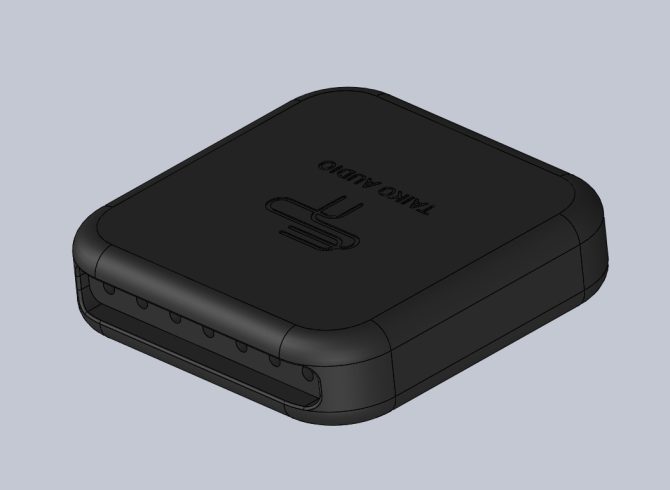
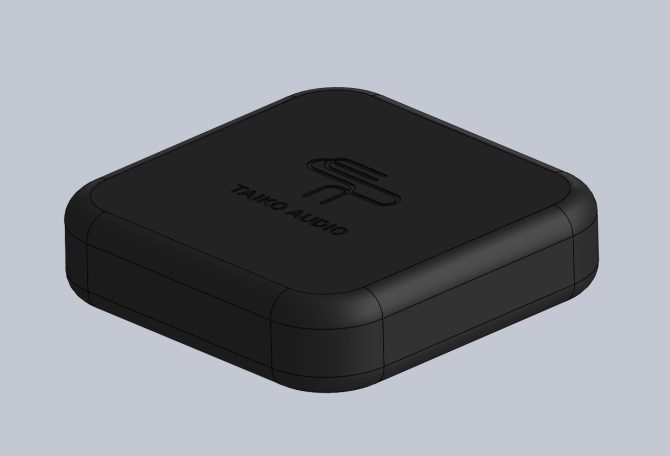
-Size 160*160*40mm, weight 10kg
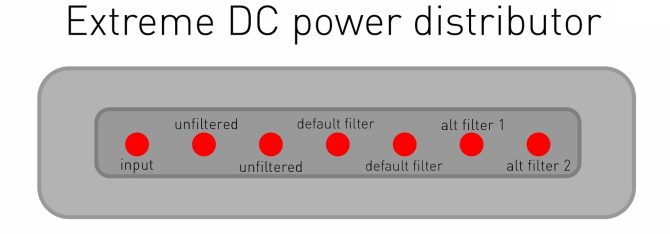
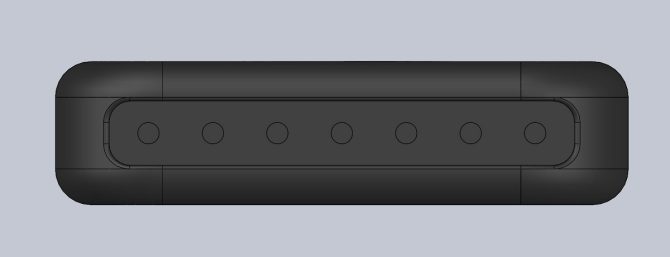
-1 DC input, 6 DC outputs, 2 unfiltered (pass through), 2 default filters, 2 (differing) alternative filters
-DC connectors: 2.5mm inner diameter, 5.5mm outer diameter, 11.3mm length (same as the switch and router)
-Maximum current capacity 10A, maximum input voltage 25V, voltage in = voltage out, so this would typically be used with a 12V LPS to power multiple 12V devices.
This is a very recent discovery / development as we were working on addressing noise issues associated with wifi access points. Although DC power supply filtering is something we obviously have years of experience with, zooming in on specific aspects of noise, and the way they affect sound quality took an interesting turn with investigating noise generated by devices which are not designed with sound quality in mind. For example the discovery that the degradation caused by wifi noise is in fact not dominated by the airborne / radio function but by it’s interaction with the supply it is powered with and how that in turn affects and the mains supply, which powers our entire systems, gave us a different perspective to investigate.
We started analyzing these noise spectra and started designing filters to specifically target this type of noise, only to discover that this is a limited solution, as the supply powering the device is a big part of the equation, to make matters worse, different designs interact differently, with rather dramatic differing effects on sound quality as a result, keep in mind this even applies to a wifi access point which is only connected to the mains, as the connection on the output side of the device is airborne…
While testing a variety of power supply designs and various filters on wifi access points we started including the switch and router which sound quality performance, both being extremely low noise designs, are vastly dominated by the noise generated by the supplies powering them. The switch and router in fact perform better being powered by a single supply in stead of dual power supplies, simply because a 2nd power supply, even a very low noise linear supply, produces more (interacted) noise then the switch and router combined, additionally, when you connect the switch and router with the lowest noise producing option, being a DAC cable, there’s a direct/common ground between the 2 devices, which is unfavourable if being “modulated” by 2 different power supplies, simply put, one shared ground is better from a noise perspective, taking into account the very low current draw of both devices. Still the switch drawing 100mA is an unavoidably lower noise device then the router which draws 500mA and which performs more processing. Hence there’s a benefit “isolating” these 2 devices from each other while maintaining a common “ground” and reducing total setup noise by using one power supply.
On to the filters. Each of these provide over 80dB of additional noise filtering. Something I wish to add is that each of its 64 parts has been selected by ear, some are exotic and costly, like Duelund capacitors, and each of these have an effect at this level, just a small anecdote of what is involved and how much actual listening went into designing these. We have 2 default filters which we consider to be neutral sounding, they don’t change the sound, they just (significantly) improve upon what’s there. The extend to which they do that even caught me by surprise, it’s far from subtle, perhaps as much as a 20% improvement on the whole package. However, there’s more to this story, when I write they don’t change the sound from neutral, that is in fact not true, that is referenced to a battery supply I consider to be neutral, the story changes when using different power supplies and when mains “quality” differs. For that reason we included 2 alternative filters allowing you to tune the sound towards getting a neutral balance with varying power supplies and mains conditions. Alternatively you can divert from neutral to taste. These alternative filters allow you to “tune the sound” towards a darker, fuller, more expansive sound, or to a brighter more incisive, and therefor a subjectively more detailed sound.
無垢の銅ブロックから削り出されたシャーシ
-サイズ 16016040mm、重量 10kg
-DC入力1系統、DC出力6系統、フィルターなし(パススルー)2系統、デフォルトフィルター2系統、オルタナティブフィルター2系統(差分)。
-DCコネクター:内径2.5mm、外径5.5mm、長さ11.3mm(スイッチ、ルーターと同じです。)
-最大電流容量10A、最大入力電圧25V、電圧入力=電圧出力なので、一般的には12VのLPSと組み合わせて、複数の12V機器に電力を供給するために使用されます。
これは、無線LANアクセスポイントに関連するノイズの問題に取り組んでいたときに、ごく最近発見・開発したものです。DC電源のフィルタリングはもちろん長年の経験がありますが、音質を意識して設計されていない機器から発生するノイズを調査することで、ノイズの特定の側面や音質への影響にズームインしていくことができました。例えば、無線LANのノイズが引き起こす劣化は、実際には空中線や無線機能によるものではなく、電源との相互作用によるものであり、それが私たちのシステム全体に電力を供給している主電源にどのような影響を与えるかという発見から、異なる視点から調査を行うことにしました。
私たちは、これらのノイズスペクトルを分析し、この種のノイズを特にターゲットとするフィルタを設計し始めました。しかし、デバイスの電源が方程式の大きな部分を占めているため、これが限られた解決策であることがわかりました。さらに悪いことに、設計によって相互作用が異なり、その結果、音質にかなり大きな差が生じます。
無線LANアクセスポイントで様々な電源設計と様々なフィルターをテストしているうちに、スイッチとルーターの音質性能が、どちらも極めて低ノイズ設計であるにもかかわらず、電源から発生するノイズに大きく支配されていることがわかりました。なぜなら、2つ目の電源は、たとえ非常に低ノイズのリニア電源であっても、スイッチとルーターの組み合わせよりも多くの(相互作用する)ノイズを発生させるからで、さらに、スイッチとルーターを最も低ノイズのオプションで接続した場合、スイッチとルーターは2電源ではなく、1電源で駆動したほうが良いパフォーマンスを発揮します、DACケーブルの場合、2つのデバイスの間に直接/共通のグラウンドがあり、2つの異なる電源から「変調」されている場合は不利になります。しかし、100mAの電流を流すスイッチは、500mAの電流を流し、より多くの処理を行うルーターよりも、ノイズの少ないデバイスであることは避けられません。したがって、この2つのデバイスを互いに「分離」し、共通の「グラウンド」を維持しながら、1つの電源を使用することでセットアップの総ノイズを減らすという利点があります。
フィルターについて。これらはそれぞれ、80dB以上の追加ノイズ・フィルタリングを提供します。Duelundのコンデンサーのようにエキゾチックで高価なものもありますが、それぞれがこのレベルで効果を発揮しています。私たちは、ニュートラルなサウンドと考える2つのデフォルトフィルターを用意しています。これらは、音を変えるのではなく、そこにあるものを(大幅に)改善するだけです。この2つのフィルターには驚かされた。しかし、この話には続きがあります。私が「ニュートラルから音を変えない」と書いたのは、実はそうではなく、私がニュートラルと考えるバッテリーサプライを基準にした話です。そのため、電源や主電源の状態を変えながら、ニュートラルなバランスになるようサウンドを調整できるよう、2つの代替フィルターを用意しました。また、ニュートラルな状態から好みの状態に変化させることも可能です。これらの代替フィルターにより、より暗く、より充実した、より広がりのある音、またはより明るく、より鋭い、したがって主観的にはより詳細な音へと「音を調整」することができます。